
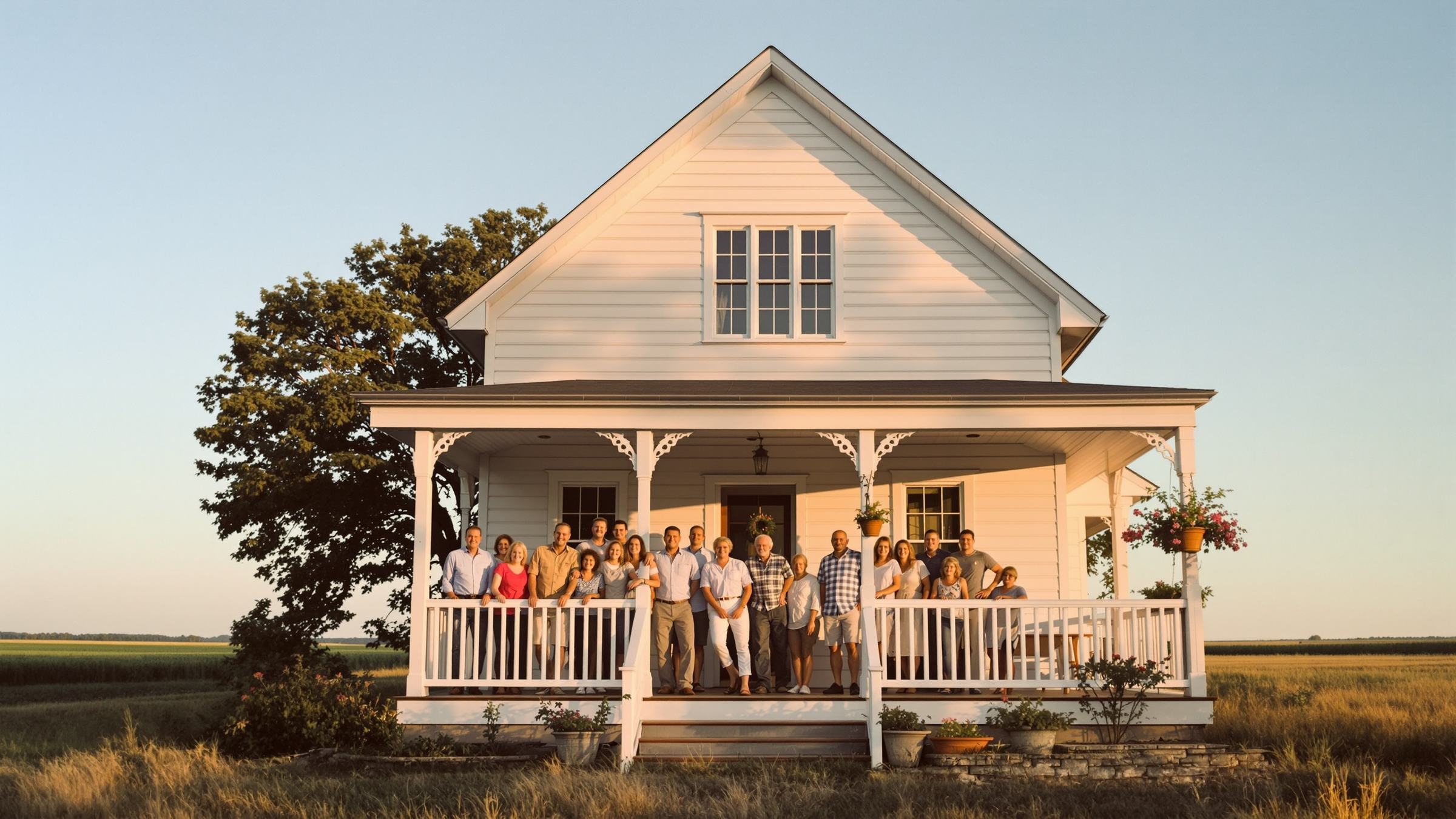
In America, freedom is written into the Constitution. In everyday life, you find it in the front yard, in the gun safe and at the fire station.
Freedom in the USA: what it means in law and in everyday life
When Americans say freedom, they mean more than an ideal: the right to put limits on government, to run your own life and to run your own town. As an immigrant, much of this applies to you from day one, some of it only once you have a green card, and some only with an American passport.
Spend your first Fourth of July in a small Texas town and you quickly see that freedom here is not a word saved for Sundays. There is barbecue smoke, fireworks, kids on bikes with pennants on the handlebars and a fire truck driven by the neighbors themselves. And at some point someone will tell you, in all seriousness, that none of this would be possible if freedom had not been won in 1776. To European ears that sounds like pathos. To many Americans it is a plain description of how their country works.
This page translates that freedom into what it actually means in law and in daily life. What does the Constitution protect, and from whom? What can the states decide for themselves? Which gun rules apply, depending on whether you are a citizen, hold a green card or come on a visa? And why do Americans elect their sheriff, their school board and sometimes even their fire commission? Each section leads to a detailed guide.
One request up front: read the sections on gun law not as an invitation but as a statement of the law. Whether you may own a gun in the USA depends on your immigration status, and a violation can cost you that status. If you are on a visa, check your eligibility before every purchase.
1What Americans mean when they say freedom
The Declaration of Independence of 1776 names three unalienable rights: life, liberty and the pursuit of happiness. And it says what governments are for: to secure these rights, deriving their powers from the consent of the governed. That is the core. The state does not grant freedom; it is bound to respect it.
The Bill of Rights, the first ten amendments to the Constitution, ratified on December 15, 1791, is built exactly this way. The First Amendment does not open with a right but with a prohibition on the legislature: Congress shall make no law restricting the free exercise of religion, freedom of speech or of the press, the right to assemble, or the right to petition the government for a redress of grievances. The Ninth Amendment makes clear that listing certain rights does not deny others retained by the people. The Tenth leaves everything the Constitution does not delegate to the federal government, and does not prohibit to the states, to the states or to the people.
Read more: freedom of speech in the USA →
One more line from the Constitution that matters to you as a newcomer. The Fourteenth Amendment forbids any state to deprive any person of life, liberty or property without due process of law, or to deny any person within its jurisdiction the equal protection of the laws. It says person, not citizen.
And then there is your own home. The Fourth Amendment protects persons, houses, papers and effects against unreasonable searches and seizures; a warrant is issued only on probable cause, under oath, and must describe exactly what is to be searched and where. The Third even forbids quartering soldiers in a house in peacetime without the owner's consent. That sounds like the 18th century, and it is. But it explains why many Americans see their property as the place where the government has to knock first.
2Fifty states, fifty flavors of freedom
America is not a country with one capital that regulates everything. The federal government has the powers the Constitution gives it; the states handle the rest, and the states pass much of it on to counties, cities and districts. That is why the honest answer to almost any question about American law is: it depends on the state. Guns, schools, driver's licenses, taxes, hunting and inheritance law look different in Texas than in California, Florida or New York.
Below the states lies a web of local governments that amazes Europeans. The Census Bureau counted exactly 90,837 local governments in 2022, and 91,438 in 2025. They include 3,031 county governments, around 19,500 cities and towns, over 16,000 townships, over 12,500 independent school districts and nearly 40,000 special districts for single tasks such as water, libraries or fire protection. Each of these has its own governing bodies, and many are elected directly by the residents.
In practical terms, choosing a state also means choosing how much freedom you feel day to day. If you want to experience America the way many people picture it, we recommend Texas. What that means in practice is covered under Move to Texas and in our profile of the State of Texas; for a comparison of the states, see Where to live in the USA.
| Type | 2022 | 2025 |
|---|---|---|
| County governments | 3.031 | 3.031 |
| Cities and towns (municipal) | 19.491 | 19.489 |
| Townships | 16.214 | 16.184 |
| Independent school districts | 12.546 | 12.535 |
| Special districts (e.g. fire, water) | 39.555 | 40.199 |
| Total | 90.837 | 91.438 |
Source: U.S. Census Bureau, Government Organization Summary Report: 2022 and 2025, Table 1 (Census of Governments 2022 and Annual Organization 2025). Accessed October 24, 2026.
3The right to bear arms
The Second Amendment is a single sentence: a well regulated militia being necessary to the security of a free state, the right of the people to keep and bear arms shall not be infringed. Its meaning was debated for a long time. In District of Columbia v. Heller (2008) and McDonald v. Chicago (2010), the Supreme Court held that the Second and Fourteenth Amendments protect an individual right to keep and bear arms for self-defense, against both the federal government and the states. In New York State Rifle & Pistol Association v. Bruen (2022), it added that this right also applies in public and that any restriction must fit the nation's historical tradition of firearm regulation.
But an individual right does not mean anyone may do anything. Two layers of statute sit on top of constitutional law. The first is federal law, above all 18 U.S.C. § 922. It lists who may not possess a firearm, and that includes aliens admitted on a nonimmigrant visa. The exceptions are in § 922(y)(2): among others, for people admitted for hunting or sporting purposes or who hold a valid hunting license issued in the USA. If you have lived in the USA continuously for at least 180 days, you can also apply to the Attorney General for a waiver under § 922(y)(3), with a statement from your embassy or consulate.
Green card holders are not nonimmigrants, so this ban does not apply to them. Visitors entering visa-free on ESTA are also not covered, according to the Justice Department's interpretation, which the ATF implemented in its regulations in 2012. Even so, a tourist usually cannot buy from a dealer, because that requires a state of residence, and under the regulations a vacation does not create one, however long it lasts.
The second layer is state law: minimum age, licenses, waiting periods, prohibited places. And above it all sits a consequence many people underestimate. Under 8 U.S.C. § 1227(a)(2)(C), any alien convicted of a firearms offense after admission can be deported. That is why the question of your status comes before any purchase decision, not after.
Read more: gun ownership as an immigrant, by status →
Read more: buying a gun with a green card →
Read more: what a violation means for your visa and green card →
Read more: gun culture in numbers →
For a first overview of the hunting license route, see also US gun law: buying a gun as a foreigner.
In writing: which visa fits you and your family, prepared with the immigration attorney on the firm's team.
4Carrying, concealed and open: Texas as an example
Since September 1, 2021, anyone in Texas aged 21 or older who may legally possess a firearm can carry a handgun without a license. The law is called the Firearm Carry Act. It did not abolish the state License to Carry, or LTC. The license requires a course of four to six hours of instruction, a shooting proficiency test and a background check by the Department of Public Safety, and it brings advantages: it replaces the federal NICS check when you buy a gun, it allows carrying in places that are off limits without a license, and it is recognized in many other states.
This mutual recognition is called reciprocity. Under § 411,173 of the Government Code, Texas recognizes every valid license from another state. In return, each state decides for itself whether to honor the Texas license. And even where you are recognized, you follow the law of the state you are in. Two guides explain how the LTC works, what new citizens and green card holders need for it, and where the Texas license is valid.
Read more: Texas License to Carry for new citizens →
Read more: concealed carry and reciprocity →
5Hunting: the license that opens doors
For many Europeans, hunting is the natural way into American gun culture, and legally it is too. A hunting license issued in the US is one of the exceptions that let a visa holder possess a firearm under federal law. There is no European-style hunting permit, though. Each state sells its own licenses for residents and non-residents and usually requires a Hunter Education course.
In Texas, every hunter born on or after September 2, 1971 needs this course, including hunters from other states. From age 17 you can take it entirely online. First-time hunters who haven't taken the course yet can defer it once for one season if they hunt accompanied by an experienced hunter. If you want to bring your own rifle from Europe, as a nonimmigrant you first need ATF approval on Form 6NIA. Two guides explain how Hunter Education, licenses and importing your own firearm fit together, and what makes hunting in Texas special, from feral hogs to hunting leases.
Read more: US hunting license, Hunter Education and Form 6NIA →
6Local freedom: county, city and school district
The freedom Americans feel most in daily life is often not the grand one in the Constitution but the small one in their own county. The county is the level of government below the state. NACo, the national association of counties, counts 3,069 counties, parishes and boroughs; the first were created in 1634 in Virginia as shires, on the English model.
In Texas, a county is run by a Commissioners Court, which despite the name is not a court but a kind of county council: a County Judge as chair and four County Commissioners, each elected by the voters for four years. The sheriff is also elected for four years in every Texas county, as is the County Attorney. In Florida, the constitution requires that the sheriff, tax collector, property appraiser, supervisor of elections and clerk of court be elected, and no county may abolish this. Then there are the school districts: in Texas, voters elect their district's Board of Trustees for three or four years.
Newcomers notice this in things that are handled from far away in Europe. In Texas, you register your car with your county tax office. Property tax is levied by local entities, because Texas has no state property tax. And if you want to speak on an agenda item at a meeting of the Commissioners Court, city council or school board, Texas law gives you that right.
Read more: County, city, school district →
Read more: Elected, not appointed: sheriff, judges, school board →
7Volunteers with blue lights: the volunteer fire department
In rural America, it's usually your neighbor who puts out the fire. Of the 27,166 fire departments in the U.S. Fire Administration's national registry in early 2024, exactly 70 percent were all-volunteer and another 15.5 percent mostly volunteer. Of the active firefighters in these departments, 52.6 percent were volunteers and 12.6 percent were paid per call. Texas has 1,520 registered departments, 69.9 percent of them all-volunteer.
Many of these departments are nonprofits run by their own members. In Texas, they are often also funded through an Emergency Services District, a dedicated district for fire and EMS that landowners create by petition and vote and that levies its own property tax. If you come from a village in Europe, you'll know the principle, and here it's one of the fastest ways to become part of a community.
Volunteering doesn't stop at the fire department. Even the Hunter Education courses, which in Texas are generally required for every hunter born on or after September 2, 1971, are taught by volunteers. The wildlife agency TPWD explicitly tells prospective students that its instructors are volunteers with day jobs, so they return calls in the evening. That's how much of rural America works: it's not the state that organizes the town, but the people who live in it.
Read more: Volunteer fire departments in the USA →
8Home: small town, flag and holidays
Americans are proud of their country in a way that first puzzles Europeans and then often wins them over. The Pledge of Allegiance is set out in federal law, down to the posture: you say it standing, facing the flag, right hand over your heart. July 4 is a federal holiday, as are Veterans Day on November 11 and Thanksgiving on the fourth Thursday in November. Small towns add their own celebrations: Friday night football, the county fair, the church picnic.
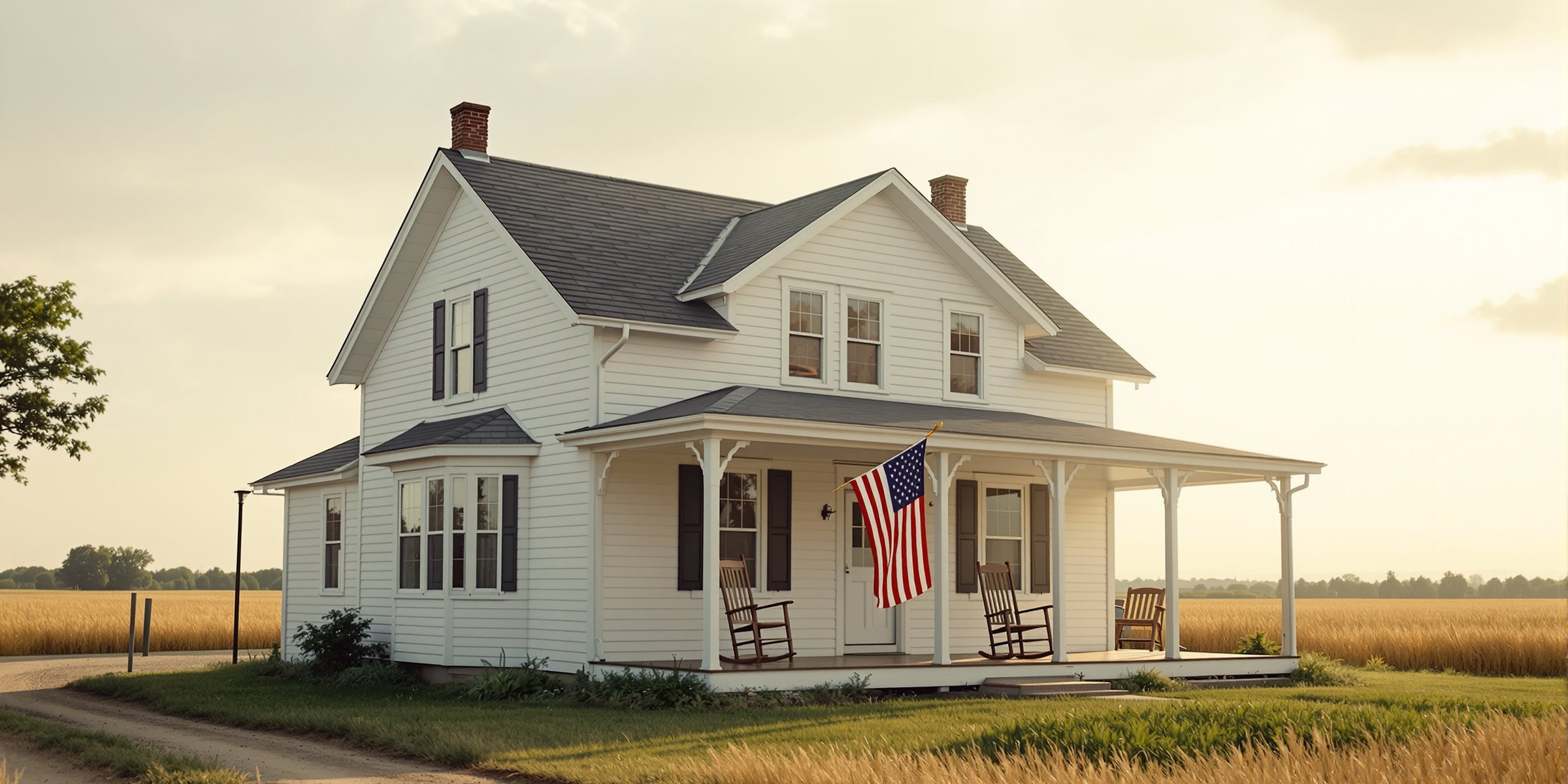
This pride is rarely loud and almost always local. It belongs to your street, your school and your team, and it's open to newcomers who join in. Two guides show what life in an American small town looks like and what patriotism means day to day; why so many Americans are drawn to the countryside is covered in Small Town USA.
Read more: Life in an American small town →
Read more: Patriotism and a sense of home →
9Education in the family's hands
For many families, American freedom also includes the freedom to teach their own children. Each state sets its own rules, and they vary widely. Texas is a good example of the free end of the scale. Under the Texas Supreme Court's 1994 ruling in Leeper v. Arlington ISD, homeschooled children are exempt from compulsory attendance to the same extent as private school students. Parents must follow a curriculum that includes good citizenship. The Texas Education Agency (TEA) does not regulate, approve or register homeschool programs.
For families from Europe, used to different rules at home, this is one of the most tangible differences of all. And it's a freedom that doesn't depend on your passport: it applies to every family living in Texas.
How it works, which rules apply in twelve states and how families experience it is covered in Homeschooling in the USA and in the overview of twelve states.
Find the right path to the USA for you in one conversation.
10What applies to you, and when
Many freedoms apply to you from day one: speech, religion, protection of property, due process, teaching your children under your state's rules. Others depend on your status. Only citizens may vote in presidential and congressional elections; 18 U.S.C. § 611 prohibits noncitizens from voting, and Texas election law requires US citizenship for every election. The path to citizenship usually runs through the green card: after five years as a permanent resident, you can apply for naturalization if you meet the other requirements.
For gun ownership, the difference between a visa and a green card is decisive. If you come on an E-2, L-1 or H-1B visa, you need one of the statutory exceptions, in practice usually a hunting license, and a mistake can cost you your status. That's why every plan starts with the question of which visa you'll come on and whether and when a green card can follow. The routes are in the visa overview; for business owners, the L-1 intracompany transfer is the better route if it's an option, otherwise often the E-2 investor visa.
If you want America for its freedom, plan your status as carefully as your move. Only the US authorities decide on your visa. You can prepare the path there, in writing and with the documents you need.
| Status | Possess a firearm | Vote in federal elections |
|---|---|---|
| US citizen | yes, unless otherwise prohibited | yes |
| Green card (permanent resident) | yes, unless otherwise prohibited; the nonimmigrant ban does not apply | no |
| Nonimmigrant visa (e.g. E-2, L-1, H-1B) | generally no; exception with a valid US hunting license or a Department of Justice waiver | no |
| Visa-free entry (ESTA) | not covered by the visa holder ban, but a purchase usually fails for lack of a state of residence | no |
Source: 18 U.S.C. § 922(g)(5), (y)(2) and (y)(3); 27 CFR 478.11 (definitions of State of residence and Nonimmigrant alien); Federal Register 77 FR 33625 (June 7, 2012); 18 U.S.C. § 611. State law may impose further requirements. Accessed October 24, 2026.
- American freedom is above all freedom from the state: the 1791 Bill of Rights opens by saying that Congress may not pass certain laws at all.
- According to the Supreme Court, the Second Amendment protects an individual right to bear arms; but if you're in the country on a nonimmigrant visa, federal law generally bars you from possessing a firearm, unless you have a valid US hunting license or a waiver.
- The US has more than 90,000 local governments; the sheriff, County Judge and school board are elected, and in many towns firefighting is a job for the neighbors.
- Many freedoms apply to you from day one; the right to vote in federal elections only comes with citizenship.
Frequently asked questions
What does freedom mean in the USA?
In law, mainly limits on government: the Bill of Rights bars Congress from, for example, restricting freedom of speech, the press and religion, and the Tenth Amendment leaves everything the federal government may not regulate to the states or the people. In daily life, freedom means handling a lot yourself: your children's schooling, your own safety and the affairs of your town.
Does the US Constitution apply to foreigners?
Many of its guarantees do. The Fourteenth Amendment forbids the states to deprive any person of life, liberty or property without due process of law, and it speaks of persons, not citizens. Some rights do depend on status, though, such as voting in federal elections and, for gun ownership, whether you entered on a visa.
Can I own a gun in the USA as a European?
It depends on your status. With a green card, the nonimmigrant ban doesn't apply. On a nonimmigrant visa such as the E-2 or L-1, possession is generally prohibited under 18 U.S.C. § 922(g)(5)(B), unless you have a valid US hunting license or a waiver. Check your status before any purchase; details are in the guide Gun ownership by status.
Can you carry a gun in Texas without a license?
Texas allows people aged 21 and over who may legally possess a firearm to carry a handgun without a license. The License to Carry still exists; among other things, it helps when traveling to other states that recognize the Texas license. More in Concealed carry and reciprocity.
Can I vote in the USA as a foreigner?
Not in presidential or congressional elections: 18 U.S.C. § 611 prohibits noncitizens from voting. Texas requires every voter to be a US citizen. You can still have your say, for example at public meetings of your county, city and school district.
Who decides on guns, schools and local taxes in the USA?
Much of it sits with the states and local governments. In Texas, for example, citizens elect the County Judge, the County Commissioners, the Sheriff and the school board trustees. Texas has no state property tax; property taxes are levied by local taxing units.
How we help you
- Visa RoadmapIn writing: which visa fits you and your family, prepared with the immigration attorney on the firm's team.
- Visa and Green Card ConsultationWhich route to the USA fits you, settled in one conversation.
- Moving to the USAVisa, bank account, taxes and where to live: your move with Mount Bonnell Advisors.
All guides on this topic
 Why I am no longer a conservative Read more →
 Small Town USA Read more →
 Homeschooling in the USA Read more →
 Corporatism is not the free market Read more →
 US gun laws: how to buy a gun legally as a foreigner Read more →
 Homeschooling: 30 US celebrities who were taught at home Read more →
 Concealed carry explained: where your Texas License to Carry is valid Read more →
 Counties in the USA: what your county decides for local life Read more →
 Volunteer fire departments in the USA: where neighbors fight the fires Read more →
 Hunting license in the USA: hunter education, licenses and your own rifle Read more →
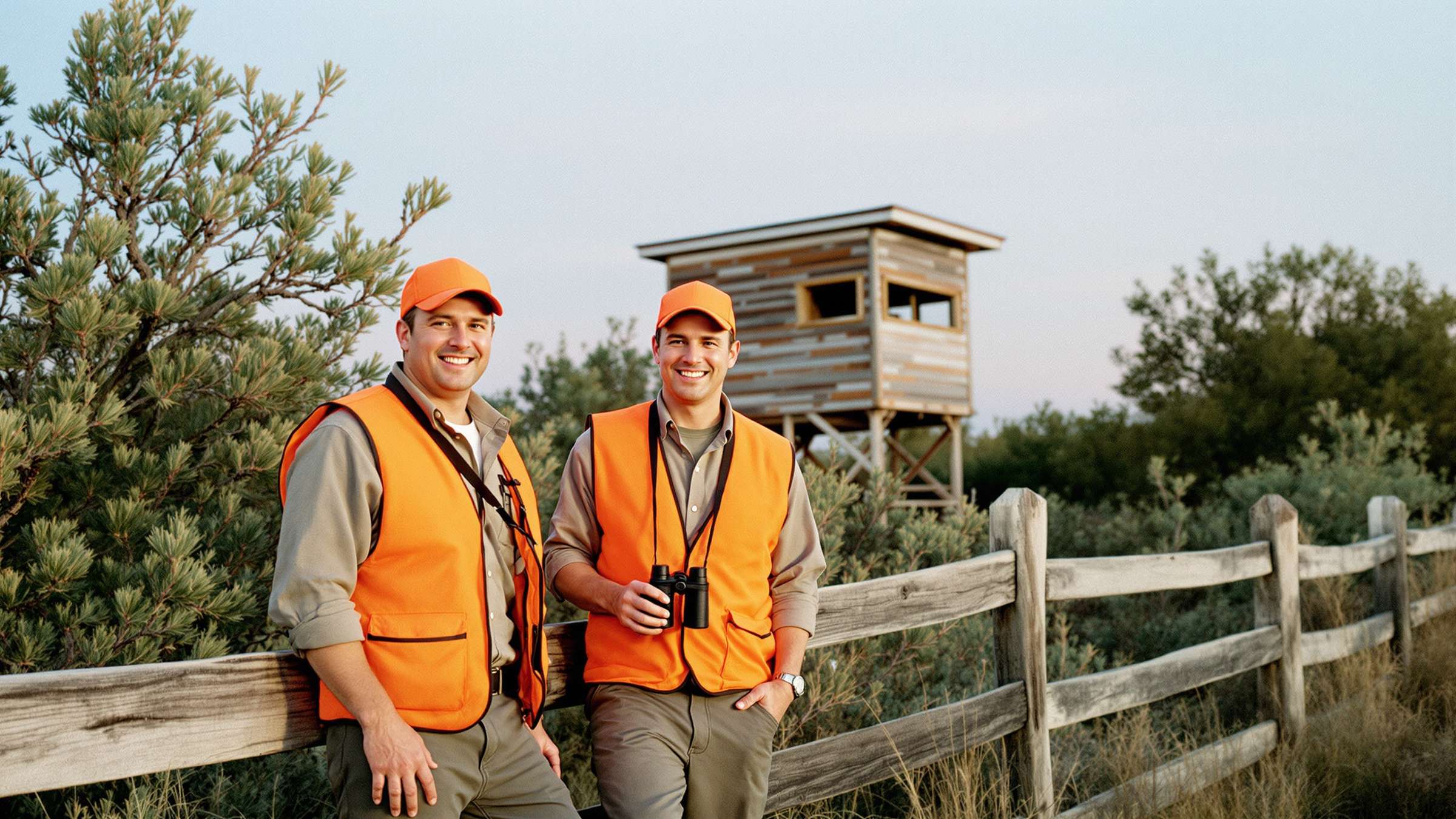 Hunting in Texas: licenses, feral hogs and hunting leases on private land Read more →
 Small-town life in the USA: church, the fair and football Read more →
 Patriotism in the USA: the flag, the Pledge, the anthem and holidays Read more →
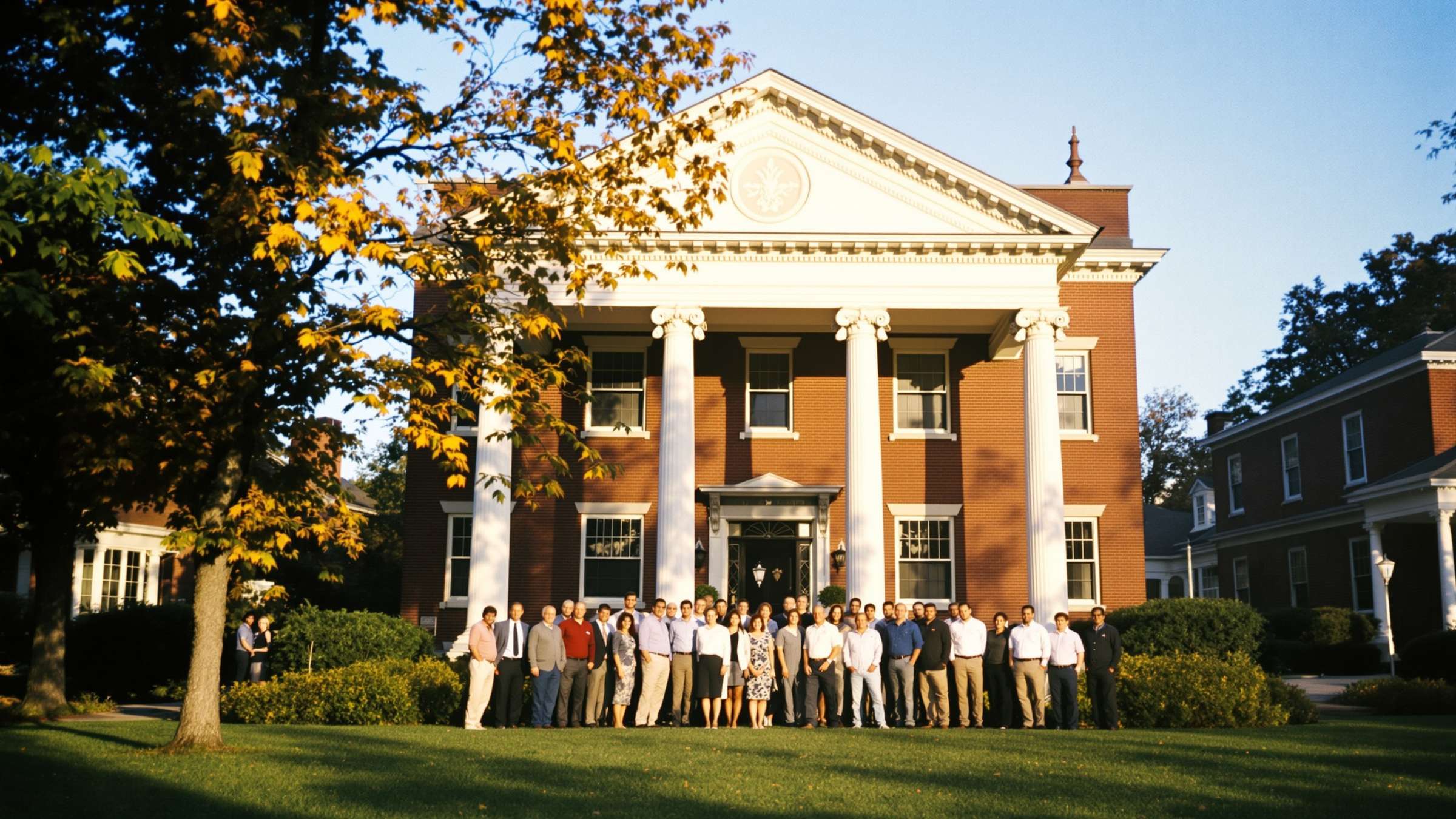 Elected, not appointed: sheriffs, judges and school boards in Texas Read more →
 Buying a gun in the USA with a green card: Form 4473 and NICS Read more →
 Guns in the USA on a visa: which exception you need Read more →
 Guns in the USA by the numbers: about 120 per 100 residents Read more →
 Owning a gun in the USA as a foreigner: what federal law says Read more →
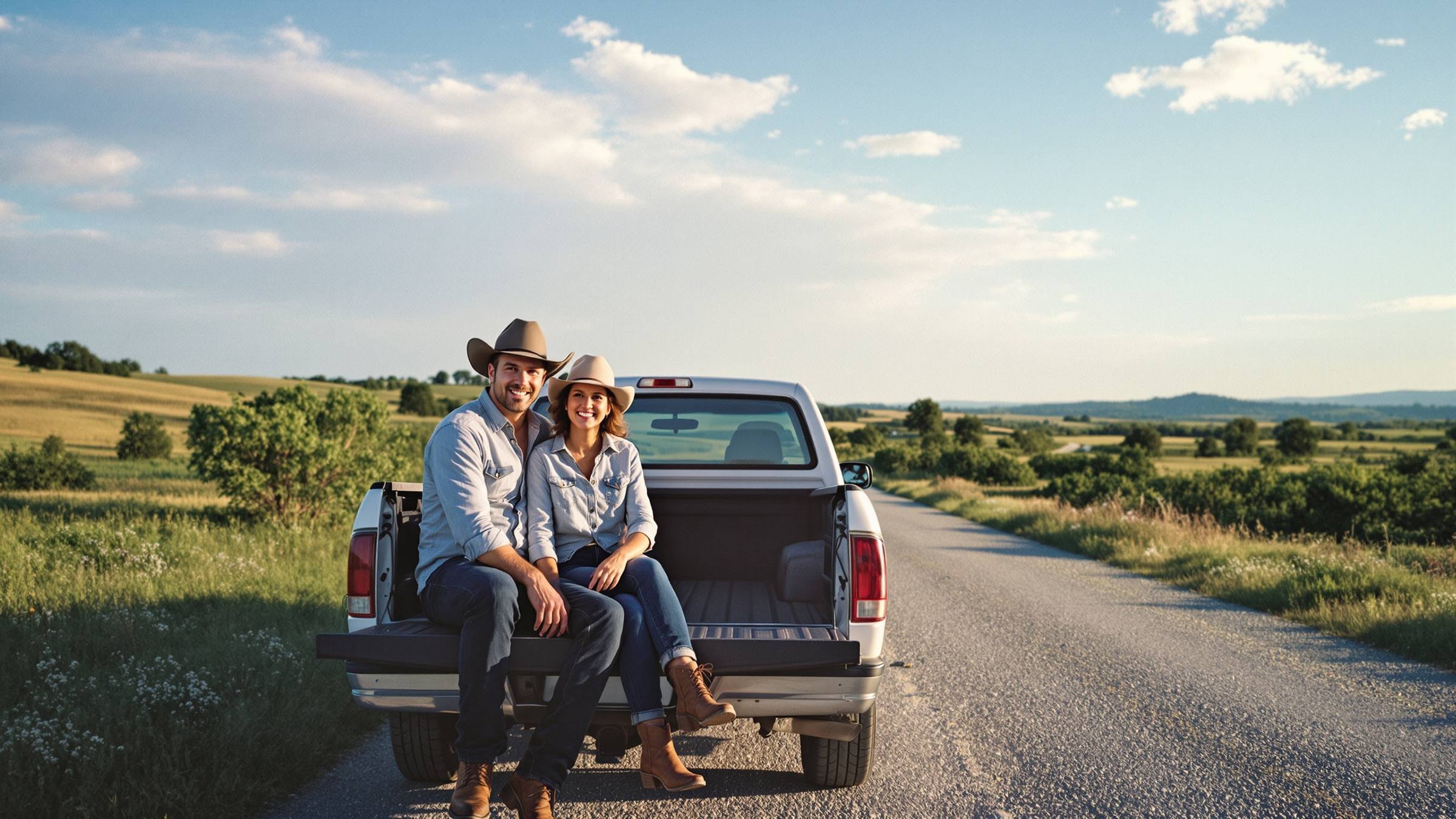 Gun license in Texas: the License to Carry step by step Read more →
 Homeschooling in the USA: 12 states at a glance Read more →
 Homeschooling in the USA: from the fringe to the mainstream Read more →