
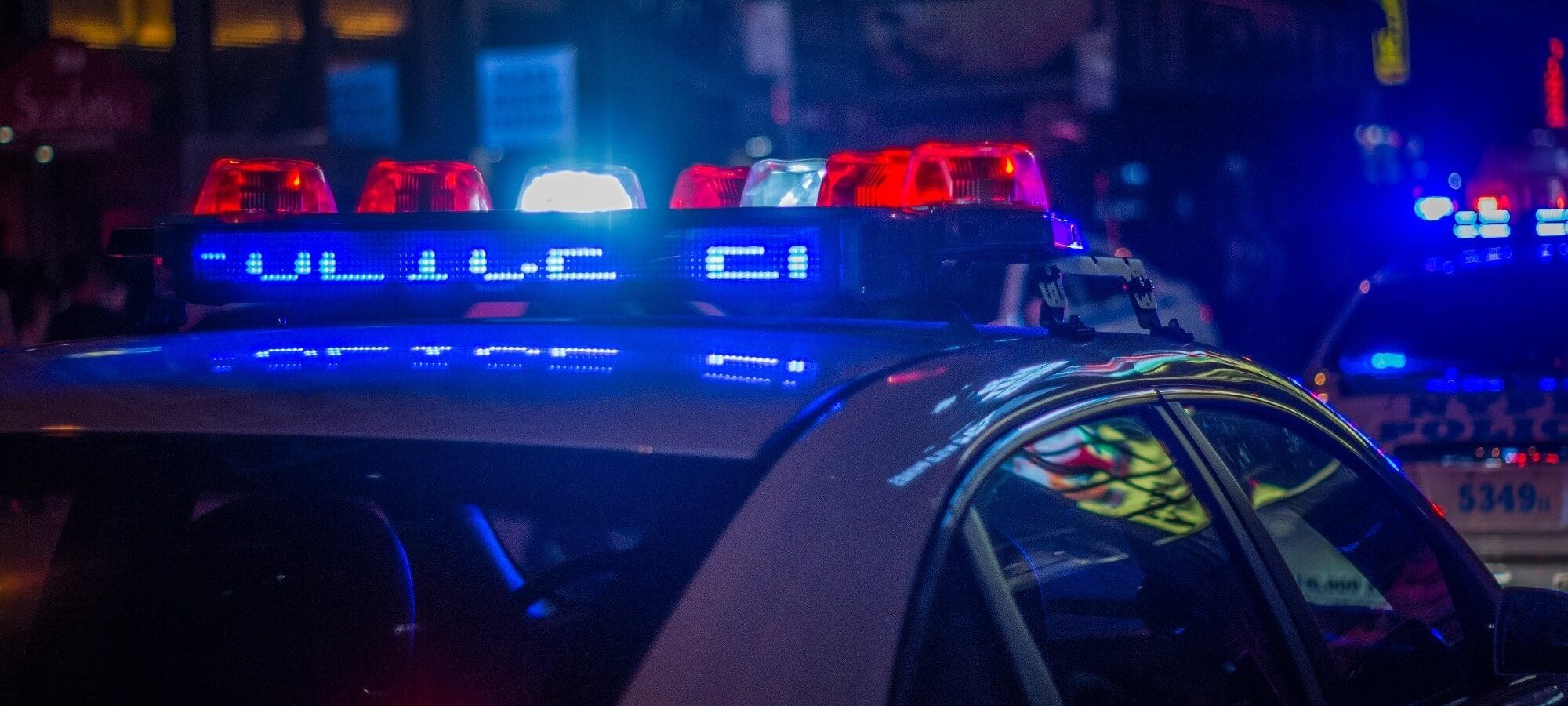
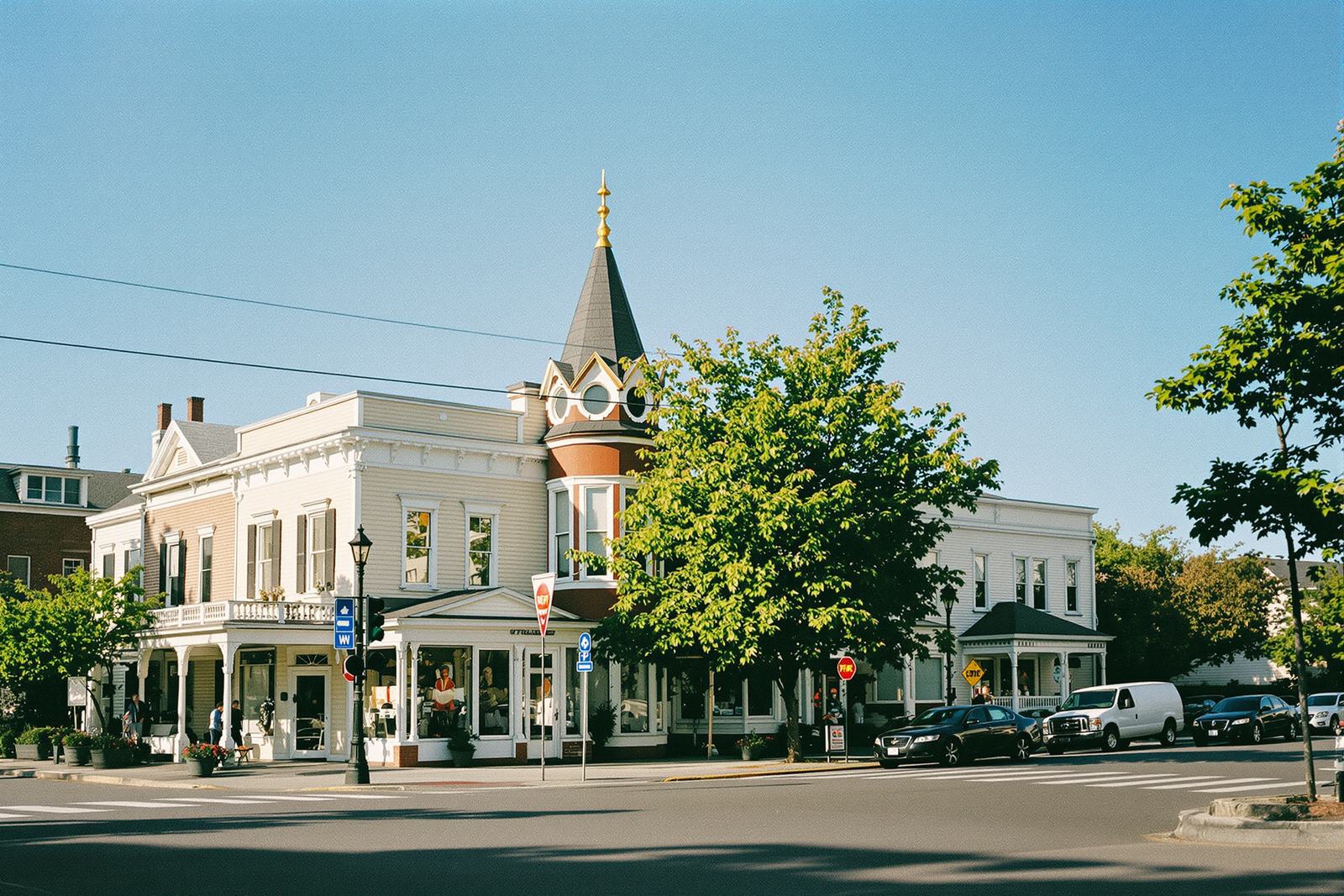
The news shows Westworld. Your everyday life in America mostly looks like the suburbs.
Safety & Crime: Can I feel safe in the USA?
Living in Europe is safe. I have been asked before (with a certain edge) whether I would say the same about the USA. Fair enough, that is a reasonable question. I have written a lot about the United States for readers in Europe, but I have never tackled the question of safety. I have thought about it, though, especially because in recent years we have been advising more and more clients who are considering a move to the USA.
"Is it safe to live in the United States?"
When people ask me this, I think they are really asking two things: (1) Is there so much gun violence that I should worry about getting shot? and (2) Will everyone hate me because I'm a foreigner (or, above all, a foreigner of color)?
Those are fair concerns.
Just as Americans tend to see the rest of the world as unsafe and unwelcoming, the rest of the world sees the United States the same way.
On their news they hear about mass shootings and gun violence, about police violence against minorities, and about Indian students killed (or beaten) because they were mistaken for Muslims, and they wonder whether they would be welcome.
They see headlines about deportations, travel bans, tighter airport security and detentions, and then say: "Maybe the United States isn't as safe and welcoming as we thought. Maybe we should just stay in Europe, darling?"
1The media cuts both ways
I won't deny the statistics: the USA has the highest rate of gun deaths of any developed country (outside war zones, of course) and one of the highest incarceration rates in the world (fourth place, with 542 prisoners per 100,000 residents).
And when these events and attitudes are broadcast around the world alongside our current political conflict, it looks as if the United States is a dangerous, unwelcoming place.
Tourism has already dropped, and airline bookings have at times hit rock bottom.
But just like Europe, the United States is a safe place to live.
When it comes to safety, there is no reason not to move to the USA, even if the political landscape here is not exactly ideal.
Find out more about US gun laws here.
If you want to discover the beautiful side of the USA, take a look at the 12 most beautiful national parks in the USA and the 10 most popular US states for foreign direct investment.
2Why the USA is safer than you might think
First, the United States of America is very big and very, very diverse. It is larger than Europe (the sovereign states, not the continent) and Australia. You can drive for 15 hours here and still be in the same state. It is huge, and many visitors fail to grasp that.

A friend from Chicago told me about two visitors from France who wanted to drive to Disneyland for a weekend. They thought it would be a short trip, because in Europe a drive of a few days takes you across almost the entire continent! Most Europeans simply don't understand how geographically vast the USA is until they get here.
Even I never got a feel for the size of the country until I crossed it. You can see it on a map, but it is hard to grasp the scale until you have spent a few days driving across it.
And because of that size, there is enormous cultural (and political) diversity. Although Americans share common commitments and views, it often feels as if the USA is really a collection of micro-countries.
The culture in Alabama is different from the culture in NYC, which in turn differs from Chicago, Hawaii, Alaska, the back country of Wyoming or Florida. South Florida is worlds away from the Florida Panhandle, and Austin is a blue (liberal) dot in the red (conservative) sea of Texas. The food, the slang, the fashion, the accents, the attitude, even the way people walk: it all varies from region to region and state to state.
Visa, bank account, taxes and where to live: your move with Mount Bonnell Advisors.
3Crime in the USA has been falling for years
Second, whatever you hear, crime in America is at a 20-year low. It has been falling for many years. (The recent slight rise is mainly down to increased violence in a handful of cities. The broader national trend is still pointing down.)
Take New York City: crime there has fallen by 40% over the last 15 years. I never worry about being mugged or robbed when I'm in Manhattan. Of course some neighborhoods are still unsafe, and it's not all sunshine and rainbows across the city, but overall NYC is far safer than it used to be. Twenty years ago, nobody would have walked through Central Park at night. Now people go there at any time of day.
What's more, your chance of dying in a terrorist attack in the USA is lower than your chance of dying in the bathtub.
I'm not saying there's nothing to think about. There is crime (though most gun violence in the USA comes down to gangs, domestic disputes or suicide). Chicago, Philly and Detroit have gang-related crime problems. Racism is still a big issue. Police violence is an issue. Mass shootings happen far too often.
4The United States is not perfect
But just as in Europe, the chance that anything happens to you is very small. The media blows attacks all over the world out of proportion! When there's an attack in Paris, do you say: "Darling! There was an attack in Paris! Let's not go to Lisbon."? No, because you know these places are far apart and that an attack in one place doesn't mean you can't go anywhere else.
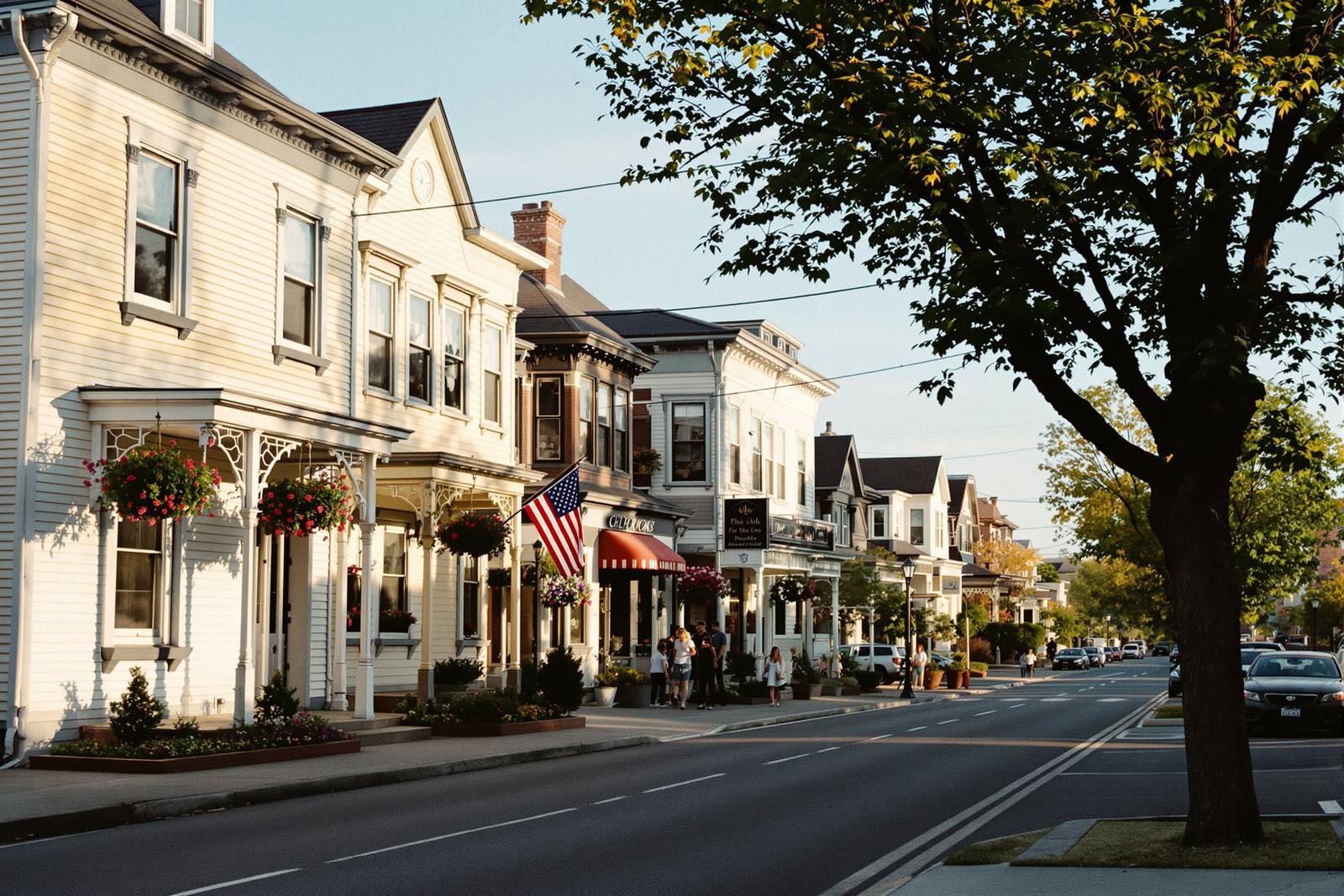
The United States covers 9.8 million square kilometers, with dozens of climates, hundreds of cultures, thousands of cities and towns and around 340 million people. So problems in one state or city don't mean you can't visit another part of the country.
If you stay away because "Americans don't like foreigners", you are confusing federal politics with your neighborhood. How you are treated in Austin, Boston or Denver is not decided in Washington. And there is an ongoing debate in the USA about so-called "sanctuary cities", cities that have limited their cooperation with the federal government in enforcing immigration law.
Remember the nationwide protests when the travel ban briefly took effect. It was never supported by a majority of the American people.
Staying away because of what you read in the papers is like saying everyone here is the same, and ignoring the huge cultural differences across the country. It's just like refusing to go to Italy because everyone there is in the Mafia.
5As a white man, I know I don't know what life in the USA is like as a person of color
I have met many, many, many travelers of color who told me how wonderful the United States is, how everyone welcomed them, how people smiled, greeted them and wanted to help. But I don't know what it's like to travel the country as a person of color. I know there is systemic racism here, but just as people don't represent their government, we shouldn't fall back on clichés and say all Americans are racists. Attitudes toward immigrants, gay people, Muslims and everyone else depend heavily on where you are.
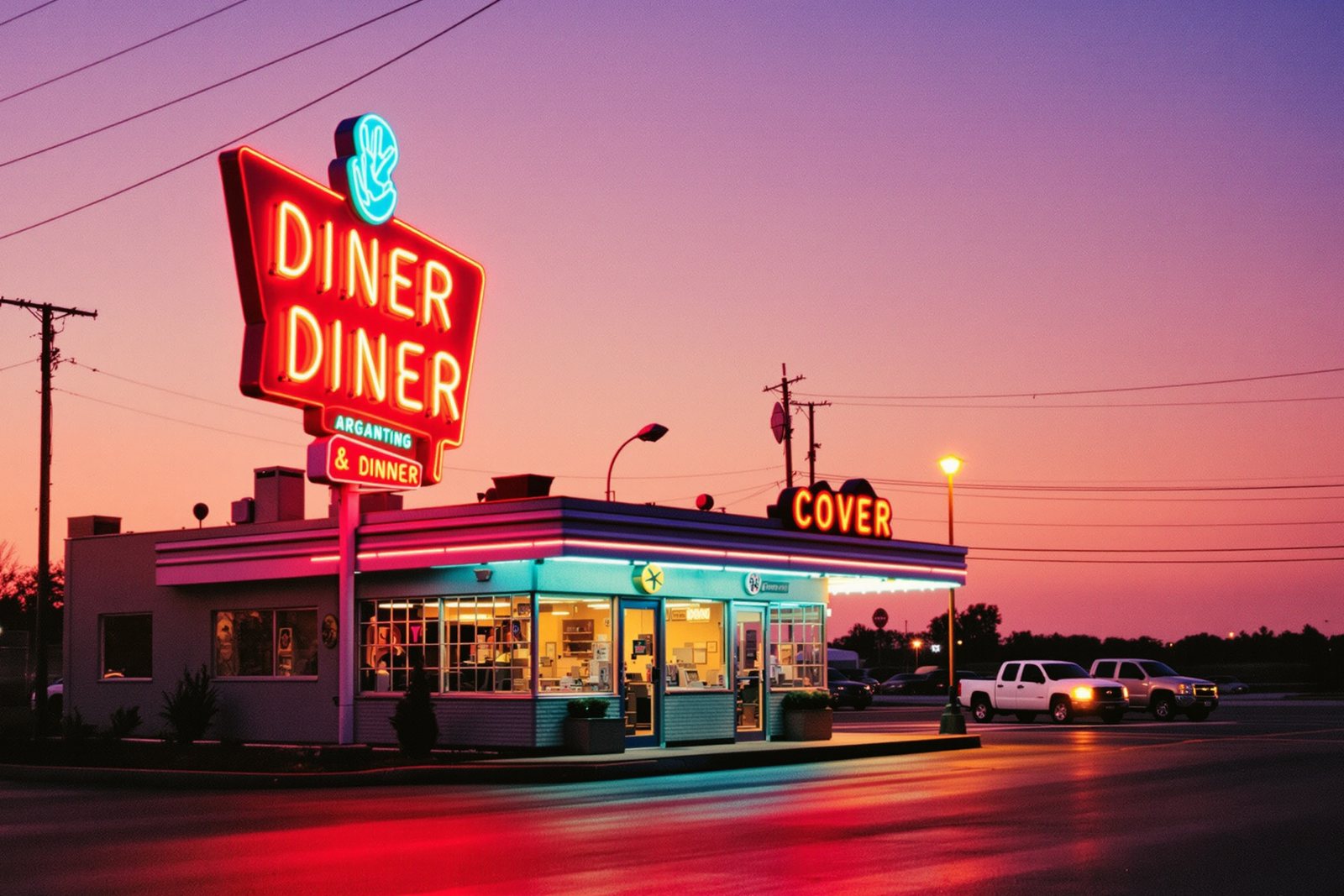
What you see on TV represents only a small slice of the people who live in this country. Remember that violence brings the best ratings, and that stories portraying the United States as a violent place fit neatly into the narrative. (Just as the idea that the world is unsafe fits the narrative we Americans have.) The United States is not full of gun-toting, immigrant-hating, racist, uneducated, fearful rednecks.
6Can I promise there will be no gun violence while you're here? No.
Can I promise you won't experience racism? No. A friend's Asian girlfriend was recently told to go back home.
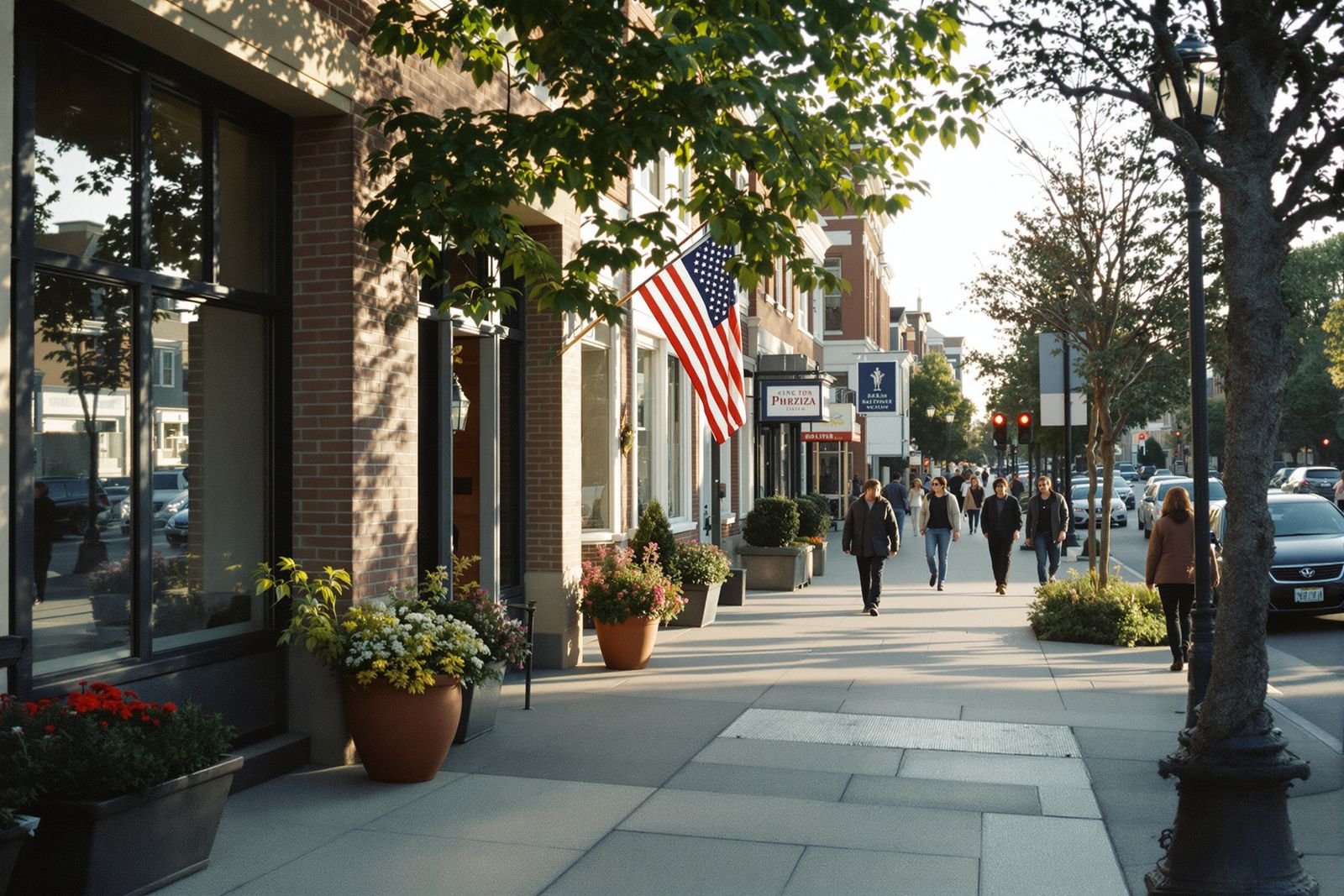
Can I promise nothing bad will happen to you? No.
But every country has its problems, and the media blows everything up (health insurance is a similar story, more on that here). Americans, like people all over the world, are basically good people just trying to get through the day. They have friends and family, and they welcome strangers. We don't hate foreigners, and we don't live in Westworld, where everyone is shooting everyone all the time.
Stay safe. Keep your eyes open. Use your common sense. So, just as you would in Europe, ignore the news, book your flight and come live in the United States! For everything else you need to prepare for life in America, from health insurance to your visa, read our overview of moving to the USA.
This blog post gives you an overview of US gun laws and explains what foreigners should know before buying a gun.
In writing: which visa fits you and your family, prepared with the immigration attorney on the firm's team.
- The safety question usually means two things: gun violence and the fear of not being welcome as a foreigner.
- The media show the exceptions. The USA is vast and diverse, more a collection of micro-countries than a single country.
- Crime has fallen over many years, and markedly so in New York City.
- Racism, police violence and mass shootings are real problems, but the chance of anything happening to you is low, just as in Europe.
- Keep your eyes open, use common sense, and then come.
How we help you
- Moving to the USAVisa, bank account, taxes and where to live: your move with Mount Bonnell Advisors.
- Visa RoadmapIn writing: which visa fits you and your family, prepared with the immigration attorney on the firm's team.
- US Company FormationLLC, Inc or LP in Delaware, Florida, California, New York, Texas or Wyoming.
- ConsultationOne hour with the firm: your case, your questions, a clear answer.
More on life in America
All articles → US gun laws: how to buy a gun legally as a foreigner Read more →
 What bugs me about you, dear Americans Read more →
 The Lone Star State: cash and cowboys Read more →
 Vacation & Leisure: Camping, Thanksgiving and No Paid Vacation by Law Read more →
 Texas: the startup state Read more →
 Is Austin the best city in the USA? Read more →