
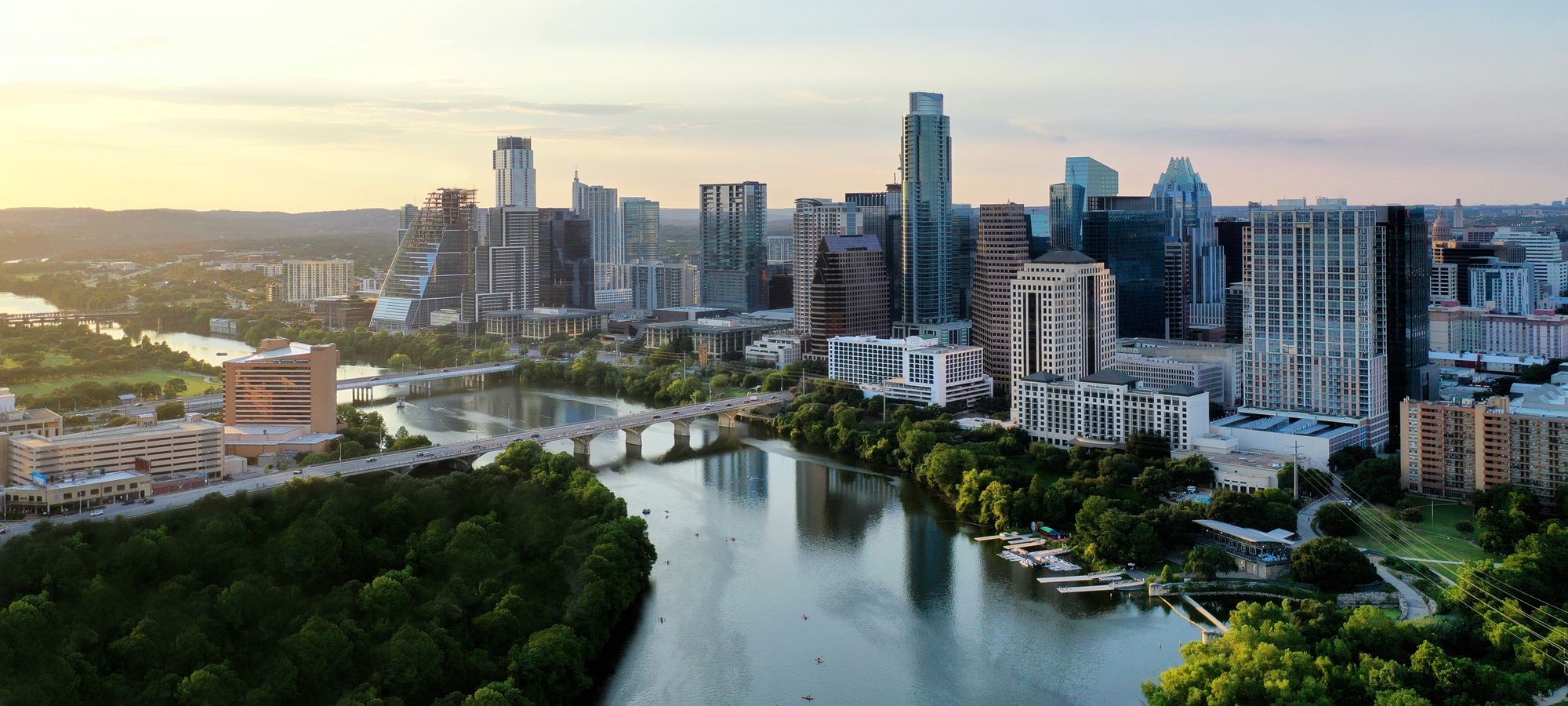
Mount Bonnell Advisors is based in Austin. So we are biased, which is why we checked the numbers.
Is Austin the best city in the USA?
We set out to find out whether Austin really is the best city in the USA. To answer that, we look not only at statistics and numbers, but also at the views of a range of well-known figures, and discover what makes this Texas metropolis so special.
1Jobs, quality of life & top rankings
What makes Austin, Texas so special? This Southern metropolis keeps making headlines and has topped the relevant city rankings for years. In the Milken Institute's Best-Performing Cities Index 2026, the region ranks number 9 out of 206 large metro areas, after number 6 the year before. Austin is no longer the fastest-growing large city in the USA, though: between July 2024 and July 2025 the metro area grew by 2.1 percent to 2,620,945 residents (U.S. Census Bureau), a good four times the national average, but only rank 15 among all US metro areas. It stands out not only for its cost of living, but also for job prospects and quality of life. Among the leading US metros for starting a business, Austin ranks number 4. And that's not all: the city was named one of the 15 best cities in the United States you simply have to visit. No wonder Austin shows up on every best-of list in America: Texas offers ideal conditions, having taken first place among the top states for women entrepreneurs. Texas is also one of the 10 most popular US states for foreign direct investment.
2Austin, the tech hub of Texas
It's no secret that Austin is one of the world's great breeding grounds for technology, startups and innovation. Its many tech companies also earned the city its nickname, "Silicon Hills". Apple has built its new $1 billion campus in Austin, with room for 15,000 employees, making it one of the largest private employers in town. New jobs at Facebook make its Austin office the third-largest US hub outside Facebook's Silicon Valley headquarters. Google and Oracle have also moved to Austin in recent years.

So why do they all choose Austin? According to Texas Governor Greg Abbott, it comes down to one thing: "Everything is bigger in Texas". The city has long been the tech hub of Texas. Its 6,500 local startups and tech companies include Dell, founded in 1984 by Michael Dell while he was a student at the University of Texas. He played a major part in the city's tech boom. Austin is also home to the annual South by Southwest (SXSW), which has grown from an indie music event into one of the world's hottest tech festivals, drawing investors and entrepreneurs alike.
3Austin, a big entrepreneur community
Another reason the city is so attractive: Austin is one of the country's most important cities for entrepreneurship and a recognized startup hub. "Austin attracts about a billion dollars a year in venture capital investment and another billion dollars in corporate investment," says Angelos G. Angelou, former vice president for economic development and chief economist of the Austin Chamber of Commerce. Today he is CEO of AngelouEconomics, a technology consultancy that helps cities attract investment and companies find new locations.
Laura Lorek is the publisher and co-founder of Silicon Hills News, which covers tech in the region. When she launched the site in 2011, she covered pretty much every startup in Austin. "The growth of startups and startup culture in general is incredible", says Lorek. "Now there are so many that I don't even know them all anymore."
William Hurley, known as "Whurley", is a well-known Austin entrepreneur now launching his third startup, Strangeworks, which uses quantum physics to reinvent computing. He sold his previous company, Honest Dollar (a retirement savings platform), to Goldman Sachs in 2016; before that, he sold the creative studio Chaotic Moon to Accenture. Hurley has lived in Austin for almost 25 years. "Austin is a great city for entrepreneurs," says Hurley. "There are lots of founders and a startup community that supports you when you're just getting started."
LLC, Inc or LP in Delaware, Florida, California, New York, Texas or Wyoming.
4From culture & costs to talent
Lorek sees another draw: "Austin is a special place with an appealing culture. There are lots of great parks, access to rivers, hiking and bike trails, a vibrant city and nightlife scene in Downtown Austin, good food, fantastic live music and a collaborative tech culture that is warm and doesn't just accept people who aren't from here, it welcomes them with open arms."

Austin also has a well-educated workforce, thanks in part to the University of Texas and other local universities. "Thanks to a number of great universities, we have an incredible talent pool. Many graduates also tend to look for work here once they finish their studies," says Angelou.
Its relatively low cost of living makes Austin attractive. There is no state income tax, and housing is far more affordable than on the coasts. The most reliable ongoing comparison is the housing market: in July 2026 the typical home value in Austin was $424,300, 5.2 percent below the previous year (Zillow Home Value Index), while the US average rose slightly to $371,800. So Austin has become noticeably cheaper after getting very expensive in the years after 2020. The unemployment rate in June 2026 was 4.1 percent (Bureau of Labor Statistics). How this compares with Europe and other US regions is covered in our cost of living comparison and in Where in America is the best place to live.
According to Hurley, housing in California can cost thousands of dollars more per month than a comparable option in Austin. So moving gives employees an effective pay raise without any change to their income.
5The perfect city to start a business
Another successful Austin founder is Ben Rubenstein. While still a student, he co-founded the online marketing company Yodle, which sold to Web.com in 2016 for $342 million. He lived in New York City until Yodle acquired an Austin-based SEO company called Profit Fuel around 2011. After commuting back and forth for a while, he decided to move to Austin. "I didn't just fall in love with the city, I saw its huge potential for building a company," says Rubenstein. "When I founded Opcity in 2015, I knew there was no better place to start a tech company."
After selling the real estate tech platform Opcity to News Corp. for $210 million, Rubenstein stayed on as CEO and plans to remain in Austin. "It's a cool, urban environment. I also like the active community and the better weather," says Rubenstein. "Lots of smart people are moving here."
Another Austin-based tech brand that made it big is Bumble. The dating app grew to more than 55 million users in just four years. "Austin is where it all started for us. Being surrounded by such a supportive community as our brand grew means a lot to us," says Alexandra Williamson, Chief Brand Officer at Bumble. "It's been exciting to watch the tech industry in Austin grow and thrive. I think we'll see even more opportunities for tech workers in and around Austin: from more entry-level options for young graduates to more senior leadership roles in the region."
6Loved by residents & tourists
Experts expect all this expansion and development to have a massive impact on the growing metro area, which already has more than 2.6 million residents. "When I moved to Austin in 1984, the city had only about 560,000 residents," Angelou recalls. "By 2040, we're expected to have more than 4 million."
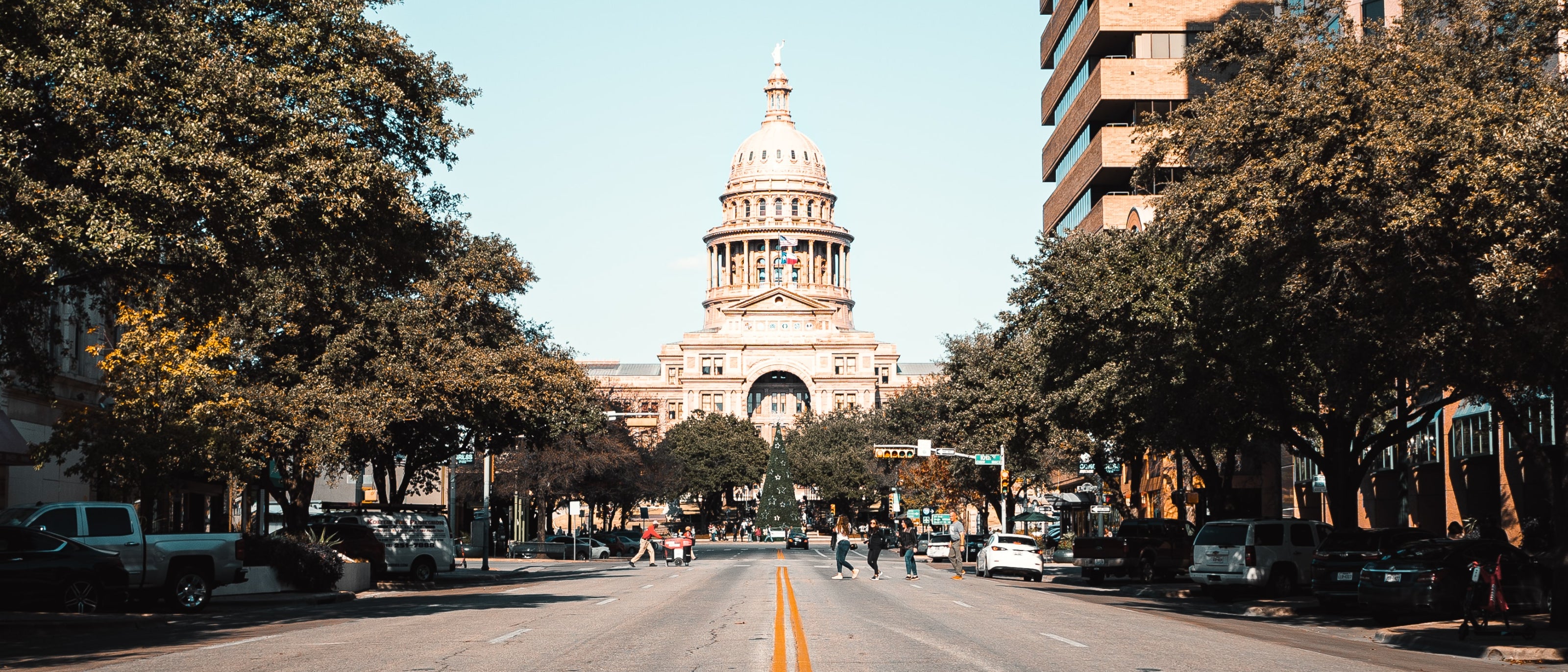
"Job growth always goes hand in hand with home sales," Re/Max Austin Skyline realtor Hope Teel told a local TV station. "We should expect prices to rise. At the same time, we will hopefully see a lot more new development too, in the form of new buildings and renovations in some existing neighborhoods to increase density."
Hospitality executives believe the growth will also give tourism a boost. "Every time a major company opens a new office in Austin or expands its existing one, we notice an uptick in business travel," says Rich McGonnigal, Director of Sales and Marketing at the Four Seasons Hotel Austin. Set on the shore of Lady Bird Lake, the hotel is a symbol of the new Austin and offers clever experiences you will only find in Austin. Highlights include a summer "Champong" service (champagne and ping-pong), ceviche classes and a margarita cart that comes to your room on request to mix drinks on the spot.
Joe Pagone, General Manager of Hotel Van Zandt, says the growth in occupancy at his music-focused boutique hotel mirrors the Austin boom. "People are more interested in Austin than ever. New companies in turn help put the city on the map," says Pagone. "People realize it is a great place to live, but also to visit. That drives occupancy, revenue and travel in the market."
Other hotels are also responding to the high demand, among them the new East Austin Hotel, a modernist property that works with local craftspeople and makers. Lufthansa now also flies a nonstop route between Austin and its Frankfurt hub.
7The challenges of growth
Of course, not everyone is happy about this. "The Austin community has a love-hate relationship with growth and change," says Lorek of Silicon Hills News. "Everyone loves the Austin they moved to or grew up in. The city has changed dramatically over the past decade, and rising real estate prices downtown have driven many long-established businesses out of business."
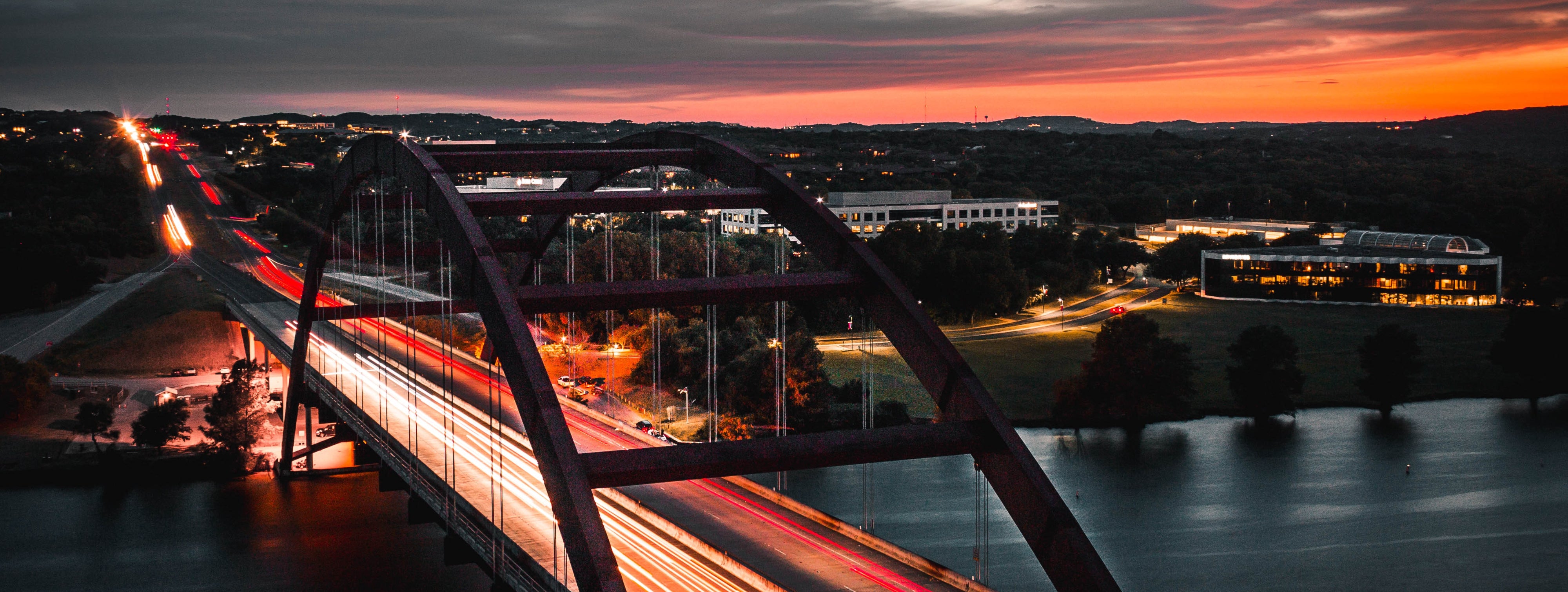
Rubenstein of Opcity also saw traffic as a problem: Austin remains one of the most congested major cities in the country. "Austin doesn't have good public transit. And the roads simply weren't built for this many people," he said. The expansion of Interstate 35 through downtown has been underway for years and will take years more.
Lorek says that with the influx of more and more people, the City of Austin is struggling with affordability and traffic. "The creative community of writers, musicians, artists and all the crazy things that made Austin so great must be preserved. They belong to the city and they matter if Austin is to remain a sought-after place to live," she says.
Still, the future looks bright. "There's a viral marketing happening in Austin. People are excited about the quality of life and what the city has to offer," says Angelou. "I don't expect any downsides."
The price of this growth shows in the housing numbers: the typical home value in the metro area stood at $424,300 in July 2026, 5.2 percent below the previous year (Zillow), the sharpest drop of all the regions we looked at in the Milken Index 2026. For newcomers, that is the friendlier side of the cycle. If you want the same momentum at a much lower entry price, take a look at our page on the ten best small cities in the USA.
Visa, bank account, taxes and where to live: your move with Mount Bonnell Advisors.
8Austin, the place to be
Austin is bursting with potential. Once an insider tip, it has become the new place to be for business, above all for tech. Look at the quality of life and the costs and you quickly see this is no passing trend: the hype around the Texas capital is well earned. Why the whole state wins as a location is covered in our Texas overview and in the articles What makes Texas so attractive as a US location and The Lone Star State: between cash and cowboys. If you are seriously planning the move to Austin, our guide Moving to the USA takes you further, and for your company on the ground, see our overview of US company formation.
Data as of: Milken Institute, Best-Performing Cities 2026 (January 27, 2026); U.S. Census Bureau, metro areas as of July 1, 2025; Zillow Home Value Index July 2026; Bureau of Labor Statistics, June 2026. The founder stories in this article date from 2016 to 2018 and should be read as snapshots of their time. For an up-to-date city comparison for newcomers, see Where in America is the best place to live.
- Austin ranks number 9 out of 206 metro areas in the Milken Institute's Best-Performing Cities Index 2026; by July 2025 the region had grown to 2,620,945 residents.
- Silicon Hills: Dell, Apple, Google, Oracle and some 6,500 startups and tech companies, plus SXSW.
- Founders value the community, the university talent and the quality of life.
- No state income tax; the typical home value in July 2026 was $424,300, 5.2 percent below the previous year.
- The flip side of growth: traffic, weak public transit and rising prices downtown.
How we help you
- US Company FormationLLC, Inc or LP in Delaware, Florida, California, New York, Texas or Wyoming.
- Moving to the USAVisa, bank account, taxes and where to live: your move with Mount Bonnell Advisors.
- Visa RoadmapIn writing: which visa fits you and your family, prepared with the immigration attorney on the firm's team.
- ConsultationOne hour with the firm: your case, your questions, a clear answer.
More on life in America
All articles → The Lone Star State: cash and cowboys Read more →
 Texas: the startup state Read more →
 Where in America is life best? Read more →
 What bugs me about you, dear Americans Read more →
 Safety & crime: can I feel safe in the USA? Read more →
 Vacation & Leisure: Camping, Thanksgiving and No Paid Vacation by Law Read more →