
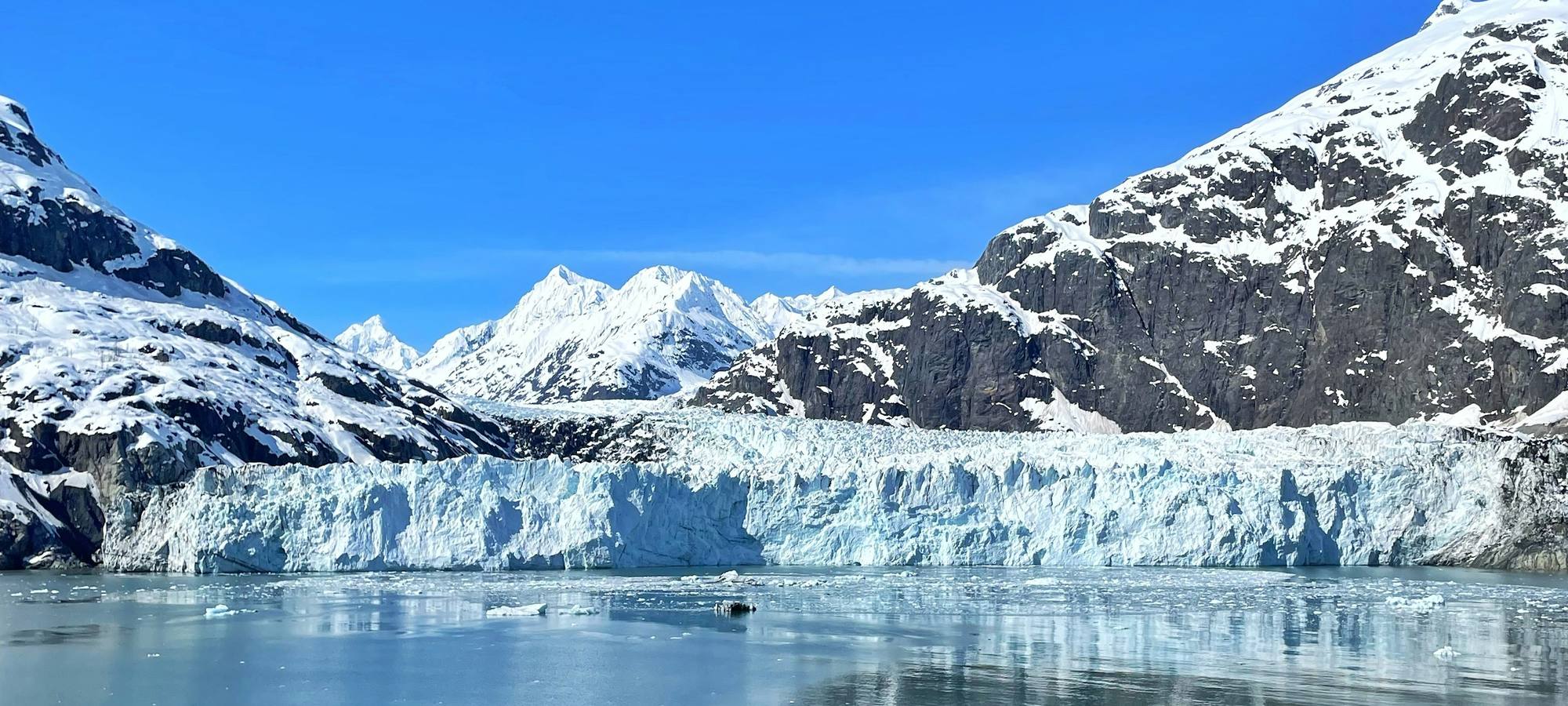
Alaska is the northernmost and westernmost state in the United States. It doesn't border any other US state, but to the east it meets Canada's Yukon. Covering more than 1.7 million km², Alaska is the largest state by area. With fewer than 750,000 residents, the Last Frontier has the third-smallest population in the country (as of 2024). The state capital is Juneau.
Alaska's economy is shaped by the fact that it is a frontier region. High labor and transport costs, along with complex environmental and land-use rules, long kept outside investors away. Major improvements in infrastructure have since cut the cost of economic transformation considerably.
Foreign direct investment in the Last Frontier
Global investment is growing Alaska's economy and creating quality jobs in local communities. Around 160 international companies have operations in Alaska. Together they employ well over 17,000 people in the state, or 6.7 percent of all permanent employees. Companies from Canada, the UK and Japan account for most of these jobs, and around 40 percent of them are in manufacturing. FDI employment rose by 20 percent over the past five years, while overall private-sector employment grew by just three percent.
See the 10 most popular US states for foreign direct investment.
Oil: the key to Alaska's economic success
The oil and gas industry drives most of Alaska's economic output. Nearly 85 percent of the state budget is funded by oil revenue, so the industry has a far-reaching impact on the local economy. The Alaska Oil and Gas Association estimates that around a third of all jobs are tied to oil and gas, either directly or indirectly through jobs supplying goods and services to the industry. If current exploration leads to new projects as expected, the oil and gas job market will expand, and Alaska's economy with it.
Tourism is another major industry in the Last Frontier. The state welcomes almost two million visitors a year, half of them arriving by cruise ship. Cruise ship numbers dipped slightly at first because of a tax law passed in 2006. In response, the Alaska Senate cut the tax on cruise passengers in 2010, aiming to bring more business back to the state. Taken as a whole, tourism is the second-largest private-sector employer in the Last Frontier.
The rich fishing waters off Alaska's coast make it one of the world's best sources of wild seafood, with 2.7 million tons harvested every year. Alaska is also the world's largest producer of wild salmon, and its unique salmon industry has been certified as "sustainable" by the Marine Stewardship Council. The state consistently leads the US in the value of its fisheries, with annual revenue of more than three billion dollars. Maine came a distant second, with harvests worth around 500 million dollars. Depending on the season, the industry can provide up to 60,000 jobs, with a monthly average of around 8,000 full-time jobs.
Income tax in Alaska
Alaska has no state income tax. You do, however, still pay federal income tax.
Corporate tax in Alaska
Alaska levies a graduated corporate income tax of up to 9.4%. On top of that, you pay federal corporate tax.
Sales tax in Alaska
The USA has no VAT on the European model. Instead, states, counties and municipalities levy a local sales tax on the sale of goods (but not services).
Alaska sales tax rate
Alaska has no statewide sales tax. Cities and boroughs charge an average of 1.76% in local sales tax.
Alaska nexus laws & sales tax
Learn more about economic nexus laws and sales tax.
Effective date:
Varies by borough
Included transactions:
Statewide gross sales of goods, property or products delivered into the state, or services performed in the state, including marketplace sales
Treatment of exempt sales:
Exempt sales and exempt services count toward the threshold
Trigger:
Sales only (since January 1, 2025)
Sales/transaction threshold:
$100,000 (the 200-transaction threshold was removed as of January 1, 2025)
Evaluation period:
The threshold applies to sales in the previous calendar year
Additional information:
- Although Alaska has no statewide sales tax, many local governments levy local sales and use taxes, and some of them enforce economic nexus. The economic nexus threshold is based on a remote seller's statewide sales, not on its sales into a particular jurisdiction.
- Registration requirements: A remote business must register with the Alaska Remote Seller Sales Tax Commission within 30 days of the later of: a municipality adopting the remote seller sales tax code, or the business exceeding the economic nexus threshold.
- Sellers who exceed the economic nexus threshold but don't sell into boroughs with economic nexus don't need to register.
- Alaska Remote Seller Sales Tax Commission
Alaska marketplace sellers & sales tax
Learn more about registration requirements for marketplace sellers
Effective date for marketplace facilitators:
Varies by jurisdiction
Economic nexus threshold:
More than $100,000 in statewide gross sales of goods or products in the previous calendar year (the 200-transaction threshold was removed as of January 1, 2025). When calculating the threshold:
- Remote sellers should include direct sales and marketplace sales
- Marketplace facilitators should include all gross sales into the state of Alaska
Registration requirements:
- Remote multichannel sellers: Once you exceed the economic nexus threshold, you must register and collect Alaska sales tax on sales not taxed by a marketplace facilitator. Note: you only need to register if you sell into boroughs that enforce economic nexus. If you only sell to places without economic nexus, no registration is required.
- Remote marketplace sellers: You may need to register if you exceed the economic nexus threshold and sell into places with economic nexus. Contact the Alaska Department of Revenue Remote Seller Sales Tax Commission (ARSSTC) for more information.
- In-state multichannel sellers: You must register with the ARSSTC and collect tax on sales not taxed by a marketplace facilitator. Note: you only need to register if you sell into boroughs that enforce economic nexus. If you only sell to places without economic nexus, no registration is required.
- In-state marketplace sellers: You may need to register for a sales/use tax account once you exceed the economic nexus threshold and sell into places with economic nexus. Contact the ARSSTC for more information.
Find more state profiles in our overview of all US states. Which state is right for your company? Our guide Which US state is best for your company? explains. And how to run a US LLC with no US presence completely tax-free is shown by our sister site zerotax.llc.
How we can help you in Alaska:
Planning to do business in Alaska? Our overview of US company formation helps you find the right entity type and state of formation, and in a consultation we'll walk through your plans together.