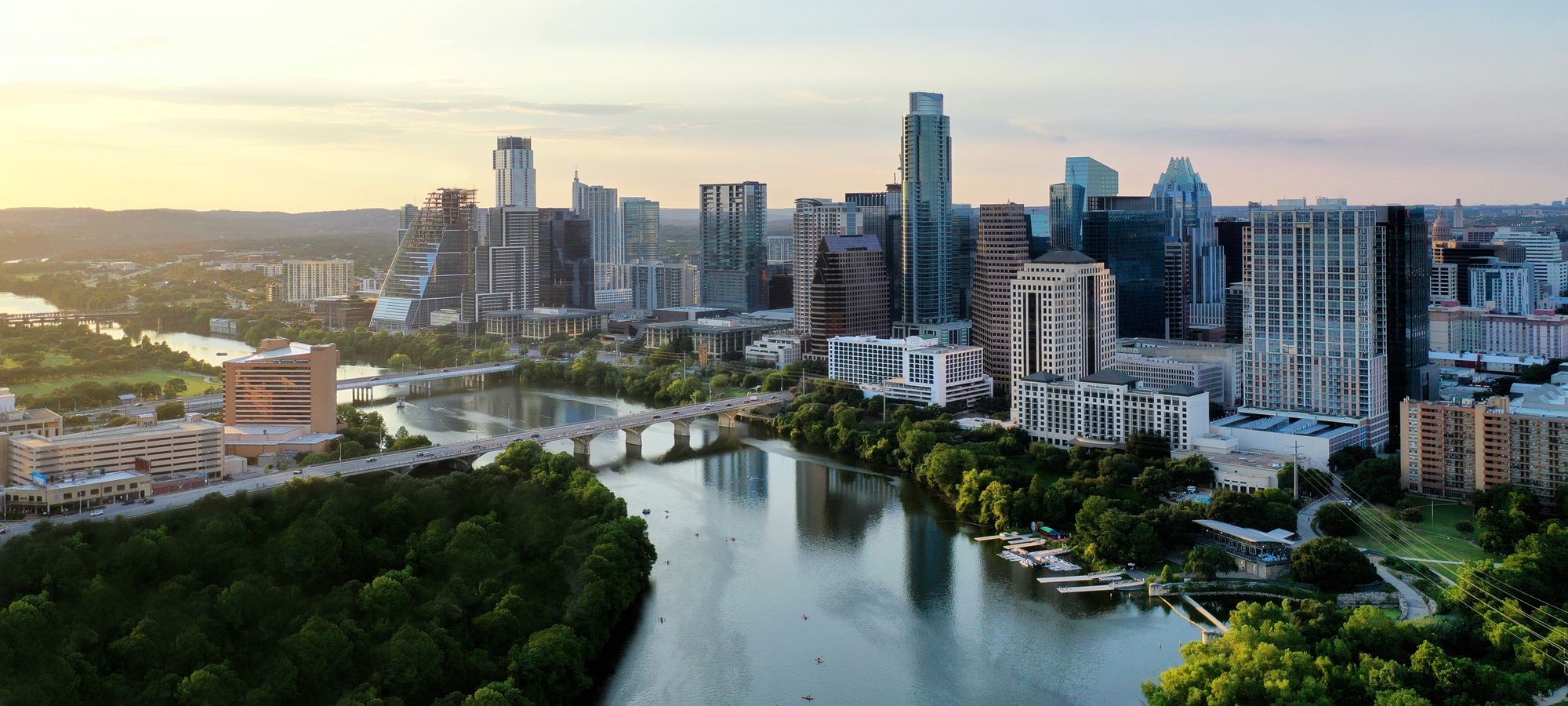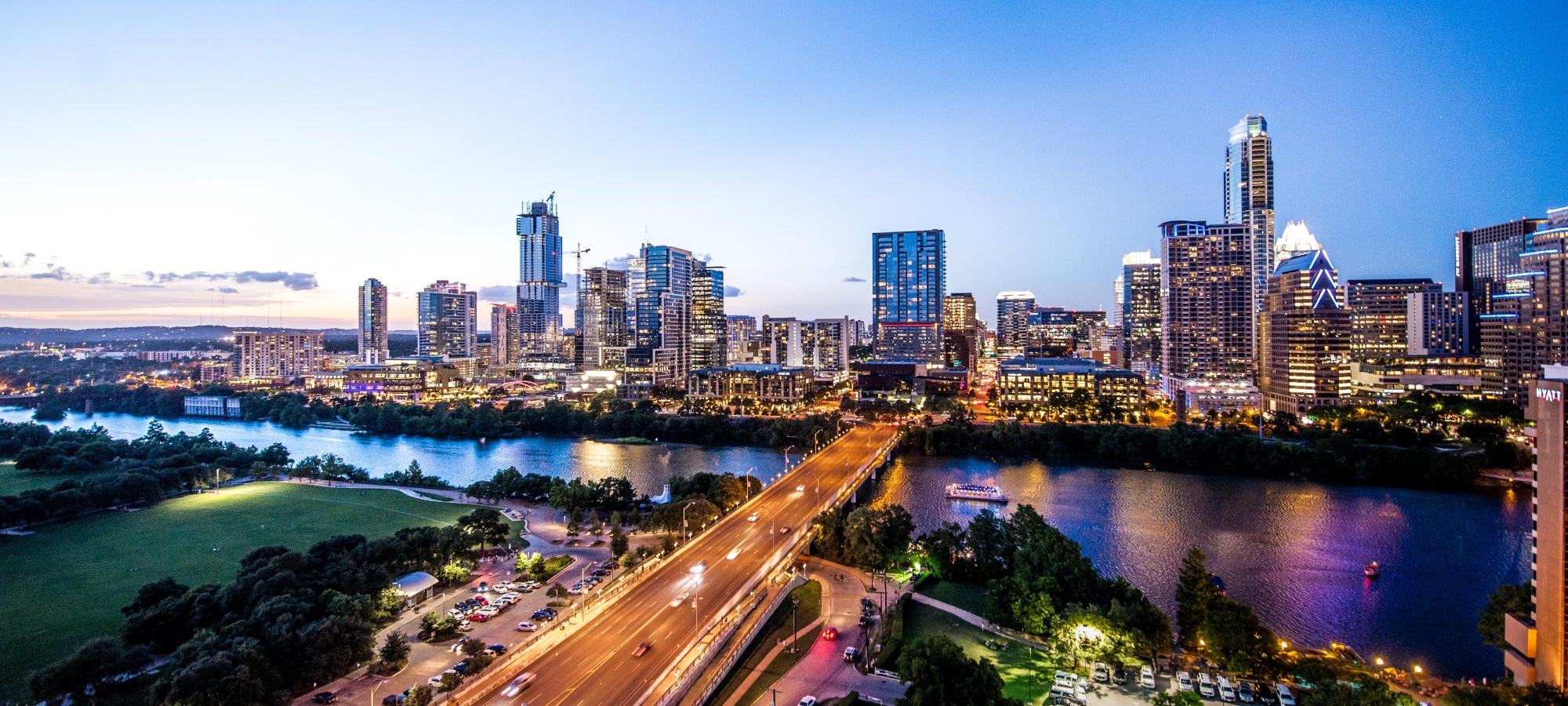
If Texas were a country, it would rank among the ten largest economies in the world.
Texas: The Startup State
Texas is the most promising tech market in the USA. It is the eighth-largest economy in the world, and the rest of the world is now waking up to its potential. Austin, Dallas, Houston and San Antonio form a vast startup megalopolis that draws top talent and investors alike. For startups and investors, Texas works like one big city.
It seems there is a new headline every day about a top startup founder, investor or company moving to Texas: Elon Musk, Joe Lonsdale, Drew Houston, Jim Breyer, McKesson, Tesla, Charles Schwab, Hewlett Packard, Oracle and many more. Who's next?
These names are likely not the end but just the beginning. Expect more and more big names and businesses to announce their move to Texas in the near future.
So what is drawing them all to Texas? Are they being pulled there, or do they simply not want to stay in California any longer? Are they escaping high prices and taxes, the government and the wildfires? Or are they looking for a fresh perspective, a huge talent pool and a culture of innovation that combines social impact with global leadership?
Did Covid-19 fundamentally change things, or was the pandemic just the last straw? Would it have happened anyway?
Most likely, all of these reasons are true. Let's take a closer look at what Texas has to offer and why startups in particular love it.
1What makes Texas so attractive
People have many reasons for moving to Texas. Some want to build a life with their family because they see a better future here. Others come to the top schools to study. Some have found a job there or believe they will. Entrepreneurs create their own jobs and jobs for others.
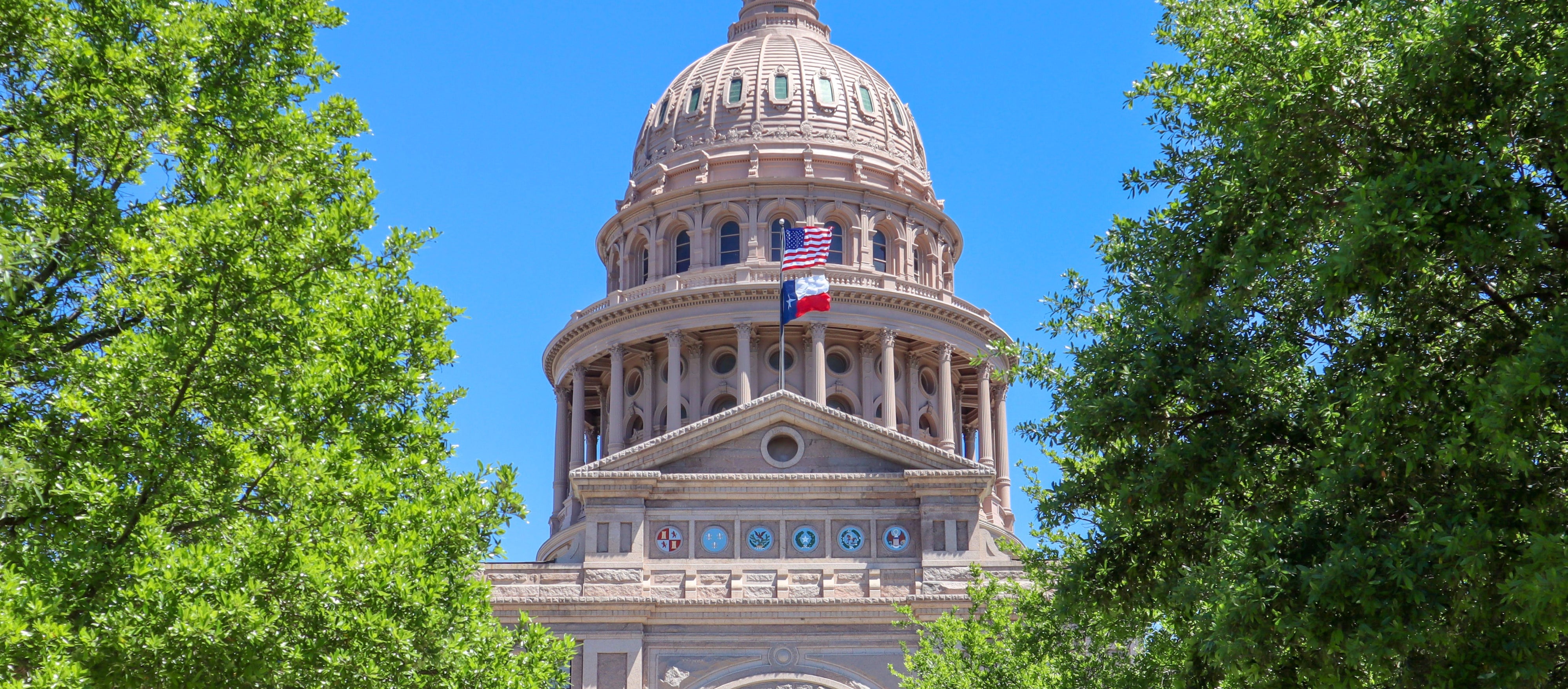
It all starts with people, with talent. Austin, Dallas, Houston and San Antonio have made it onto every "Top 10 places for..." list for decades. In the age of remote work, Texas is more and more often the first choice for people thinking about a move. There is a reason the state has been the fastest-growing region of the past ten years. Maybe you know someone who moved there yourself?
Investors, big companies, government agencies: they are all hunting for talent. And it looks as if the dam has burst and a flood of companies and investors is now pouring into this popular state.
2Texas dominates the top 10 lists
One thing that makes Texas so popular is its variety. Unlike California or other states, it isn't dominated by a single industry but by many industries. Beyond the economy, too, the state stands out for its population through to its education sector, all marked by diversity.
2.1Texas in numbers
- Texas is home to 5 of the 12 most populous US cities. Houston ranks fourth, San Antonio seventh, Dallas ninth, Fort Worth tenth and Austin twelfth (Census estimate for July 1, 2025). The Dallas metro area is the fourth-largest in the country, Houston the fifth-largest.
- By population, Texas is the second-largest state. A great market for new companies, which can reach every major Texas city from a single office.
- The influx is measurable and current: of the ten US metro areas that gained the most residents between July 1, 2024 and July 1, 2025, four are in Texas. Houston ranks number 1 in the country with 126,720 new residents, Dallas-Fort Worth number 2 with 123,557, followed by Austin (53,796) and San Antonio (38,402). Source: U.S. Census Bureau, Vintage 2025.
- As an independent economy, Texas, with a GDP of $2.9 trillion in 2025, would be the eighth-largest economy in the world. Texas generates 9.4% of total US economic output and accounts for 20% of all US exports; it has been the top exporting state for 24 years in a row.
- More than 50 Fortune 500 companies are headquartered in Texas, including 6 of the Fortune 50. Roughly half of them are in the Dallas and Houston areas. Texas now even leads the list of states with the most Fortune 500 headquarters, ahead of California and New York. Every one of them is a potential customer and strategic partner for startups.
2.2Education in Texas
- Texas has top schools across the state. The University of Texas system is huge and includes UT Austin, UT Dallas, UT Arlington and UT San Antonio.
- The Texas A&M System is almost as big. On top of that come many more institutions, such as Baylor University, Huston-Tillotson University, Rice University, Southern Methodist University, St. Edward's University, Texas State University, Texas Tech University, Trinity University, the University of Houston System and the University of North Texas System.
- The community colleges are excellent too, including the Alamo Colleges, Austin Community College, Dallas College and Lone Star Community College.
- The University of Houston has the nation's best undergraduate entrepreneurship program, and Rice University the best graduate entrepreneurship program. UT Austin, UT Dallas and Baylor University also rank near the top.
2.3Innovation in Texas
- Rice University received the largest single gift in its history, $100 million, to found the Welch Institute for Advanced Materials. Materials science is a relatively underfunded field when it comes to research and new company formation. Yet its applications are enormous, and many of the companies and industries suited to innovation in this field are in Houston and Texas.
- The University of Texas is the third most innovative university in the world and trails only the University of California and the Massachusetts Institute of Technology in intellectual property patents.
- The Austin Technology Incubator (ATI), the oldest technology incubator in the country, is part of UT Austin. Focused on cutting-edge fields such as health, sustainability and clean energy, it has brought Texas more than $3 billion.
- Texas leads the way in healthcare innovation. Houston is home to MD Anderson Cancer Center and the Texas Medical Center, by far the largest medical center in the world. Texas also has UT Southwestern in Dallas, Dell Medical School in Austin and numerous other health science centers. The newest phase of development, called "TMC3", is at the global forefront of commercializing life sciences research. The Innovation Center at Houston's TMC (TMCx), housed alongside Johnson and Johnson's JLABS, and the Center for Medical Device Innovation are driving medical innovation forward.
- In North Texas, UT Southwestern Medical School has produced six Nobel laureates and two exits worth $1 billion (Peloton Therapeutics and Taysha Gene Therapies).
- Since the third quarter of 2021, Pegasus Park has offered a 23-hectare campus that brings together scientific and social innovation and hosts the first BioLabs+ location (a biotech workspace) in the center of the country.
- Houston is a world leader not only in oil and gas, but also in clean energy and energy innovation. In fact, Houston's city government ranks first in the nation for its use of renewable energy.
2.4Defense and the military in Texas
- Texas leads the way in defense innovation. It has the largest National Guard, the largest joint military base and the Air Force Cyber Command. The Army Futures Command also chose Austin as its home, drawn by the proximity to the traditional defense industry and to innovative startups.
- Texas is now home to innovation units of the Army, Air Force, National Guard, National Geospatial-Intelligence Agency and Department of Defense, and all of them are expanding their presence in the state. That has attracted many more defense companies: Amazon, BAE Systems, Boeing, Deloitte, IBM, Microsoft, Northrop Grumman, SAIC, STS International and many others. Lockheed Martin builds the F-35 in Fort Worth.
- The military bases are an economic force in their own right: according to the Texas Comptroller, they recently contributed tens of billions of dollars to the Texas economy and support more than 200,000 jobs.
- Texas supports veterans, and the rankings show it. According to Business Insider, Austin is the fifth-best city in the US for veterans to live. Military.com put three Texas cities in the top 10 most livable places for younger veterans. Nationwide, the state ranks second for the most veterans. Bunker Labs is active across the state, helping veterans get into entrepreneurship.
- Over more than 20 years, Port San Antonio has become one of the most successful military base redevelopment projects in the country. It is home to more than 80 private and public tenants who employ around 12,000 people directly on campus, and its activities contribute more than $5 billion a year to the regional economy.
2.5Space in Texas
- Texas leads in "new space", the commercialization of space. NASA and the Johnson Space Center (JSC) are driving forces in building a commercial space ecosystem. They work with Houston companies such as Intuitive Machines, which are planning their own lunar missions, build close ties with innovation and startup organizations in the region, and promote the transfer of NASA technology to the private sector.
- Among other initiatives, JSC is working with The Ion to set up the Aerospace Accelerator for minority and disadvantaged businesses, and with MassChallenge and its Commercial Space Startup Track.
- Other companies such as Blue Origin, Firefly Space and SpaceX operate in partnership with NASA as well as on their own space projects in Texas. The Houston Spaceport is home to Axiom, builder of the world's first commercial space station.
- Axiom raised $100 million in funding and announced that four people had each paid $55 million to join the first all-private astronaut crew to the ISS, which launched to the ISS on a SpaceX Crew Dragon in April 2022.
- Every major city has built tech hubs with strong public-private partnerships. San Antonio has Geekdom with USAA and Port San Antonio with the Air Force Cyber Command. Houston has The Ion with Rice University, Microsoft and NASA, plus The Cannon, with locations across the city. Dallas has Pegasus Park with UT Southwestern and Lyda Hill Philanthropies, and Austin has Capital Factory with the Army Futures Command.
2.6Companies and founders in Texas
- Every city in Texas has strong business development organizations, such as the Austin Chamber, the Austin Technology Council, the Dallas Regional Chamber, Houston Exponential and the Greater Houston Partnership. All of them work actively with investors, founders and developers.
- Numerous organizations, such as the Austin Tech Alliance, the North Texas Innovation Alliance (NTXIA) and Techbloc in San Antonio, are also active in the tech sector.
- As for big-name founders, Texas is home to jewelry mogul Kendra Scott, Mavericks owner and Shark Tank star Mark Cuban, Whitney Wolfe Herd of Bumble, video game developer John Carmack, Vista Equity Partners founder Robert Smith, Michael Dell of Dell Technologies and Elon Musk of SpaceX and Tesla!
- Every year, Texas takes the international spotlight as a tech and innovation hub when South by Southwest (SXSW) brings more than 100,000 forward-thinking innovators to Austin. With speakers such as philanthropist Melinda Gates, London mayor Sadiq Khan and former First Lady Michelle Obama, the event helped launch Twitter, Instagram and Airbnb.
- Texas is one of the top 10 US states for foreign direct investment.
LLC, Inc or LP in Delaware, Florida, California, New York, Texas or Wyoming.
3Texas startup cities
In his book "The Third Wave", Steve Case makes the case for rising cities. In short: in the first wave, internet companies spread widely and brought people online (AOL in Virginia, Microsoft in Albuquerque and Seattle, Dell in Austin and so on). The second wave of companies was concentrated mainly in Silicon Valley and coincided with the rise of other platforms (Google, Facebook and the like).
In the third wave, the internet will transform entire industries. This innovation will once again happen in cities that have led these key industries for many years. Dallas, Houston, Austin and San Antonio are prime examples of third-wave cities. They will be at the forefront of transforming healthcare, new space, defense, energy and much more.
3.1San Antonio
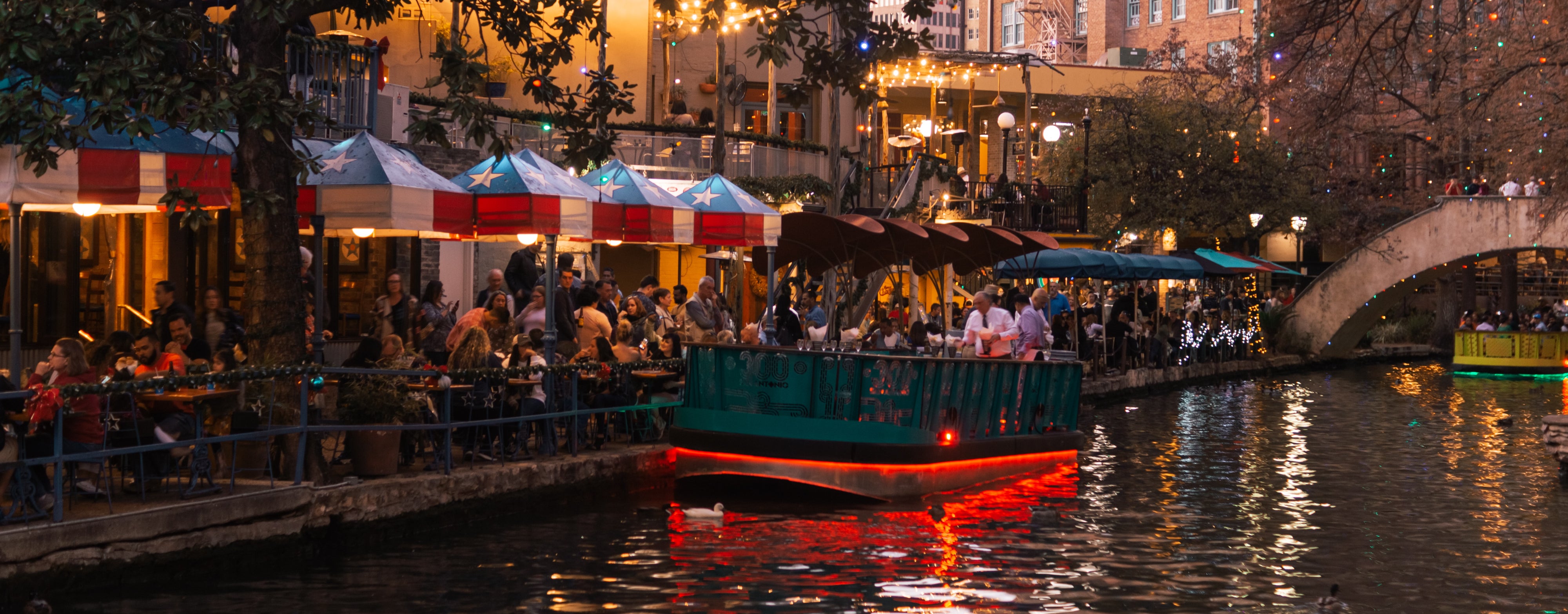
San Antonio (central) is the seventh-largest city in America and is known as "Military City" because it has the most military bases and the most cybersecurity talent outside Washington D.C., as well as the country's largest active-duty and veteran population. The city is also home to the Air Force Cyber Command, the growing Port San Antonio industrial tech park and major companies such as Rackspace, Valero Energy and USAA. San Antonio is also home to H-E-B, one of the most innovative and community-minded organizations in the state, which responds to hurricanes and pandemics and keeps Texans fed. It has many primary and secondary innovation and research institutions, such as the Southwest Research Institute, the Texas Biomedical Research Institute, several public universities and Department of Defense R&D programs.
3.2Houston
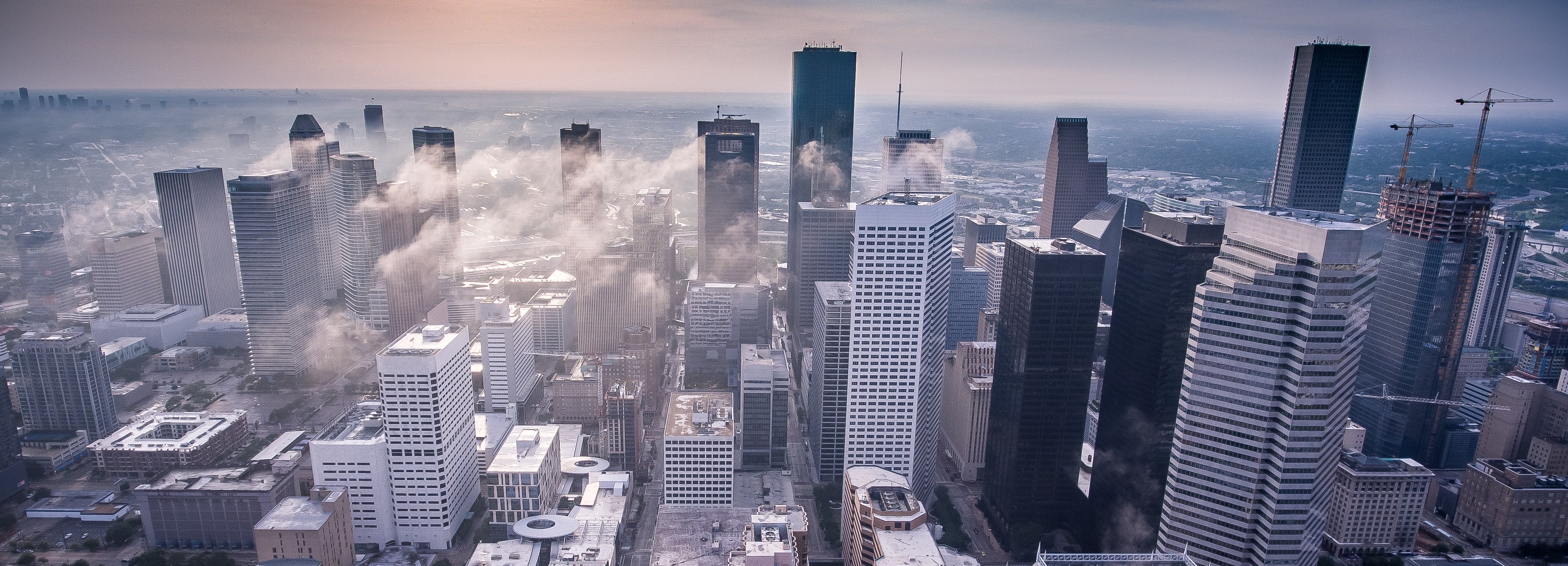
Houston (east and Gulf Coast) is the fourth-largest city in the US. For diversity, it ranks seventh. It is the global energy capital and home to the Texas Medical Center (TMC), the world's largest concentration of healthcare and research institutions, the NASA Johnson Space Center with cutting-edge research in human spaceflight and astronaut training, and the nation's largest seaport for domestic and international shipping and cargo handling. Houston is international and has a diverse high-tech industry ecosystem. With the headquarters of 22 Fortune 500 companies (Hewlett Packard Enterprise being the latest arrival), it keeps attracting more industries.
3.3Frisco-Irving-Plano-Richardson
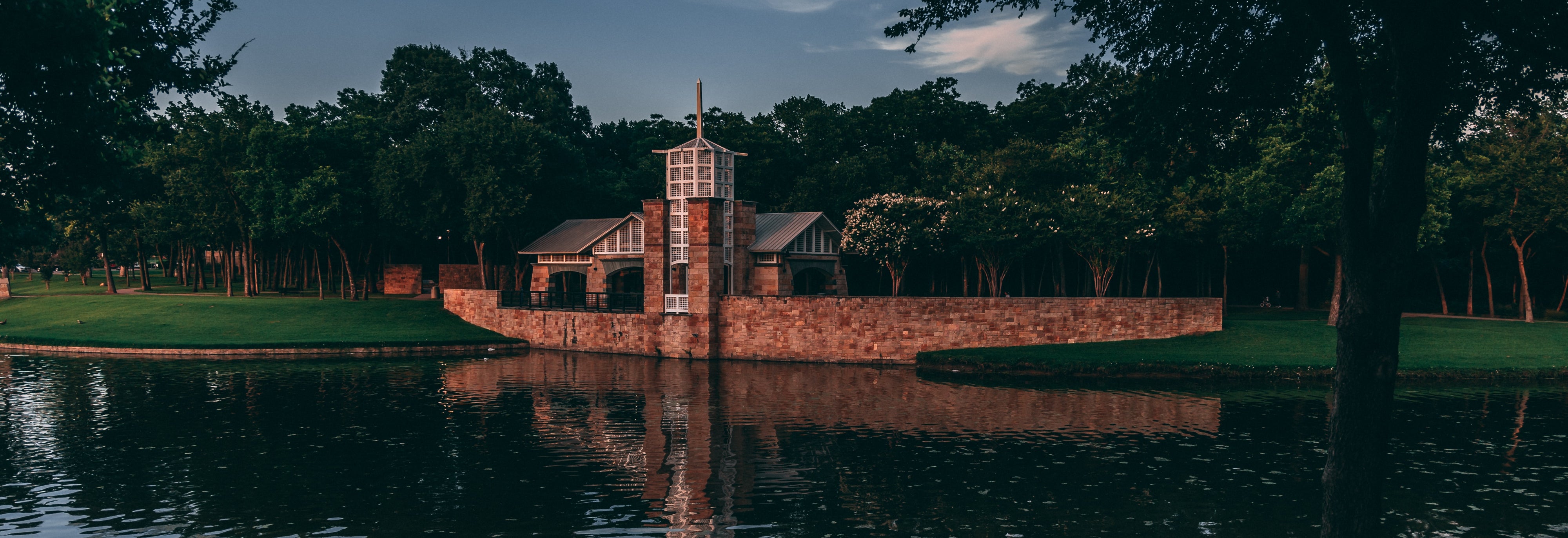
Frisco, Irving, Plano and Richardson (north), once seen as Dallas suburbs, are now nationally known cities and destinations for investors and companies. Plano is home to Alkami Technologies, a digital banking platform, and a string of corporate headquarters, including Capital One Financial Services, Dr Pepper Snapple, Frito-Lay PepsiCo, Pizza Hut and Toyota North America. Richardson (known as the Telecom Corridor) now hosts the IQ Innovation District and the headquarters of Texas Instruments, RealPage, Blue Cross Blue Shield, State Farm, Raytheon and UT Dallas. Irving is home to numerous companies such as Exxon Mobil (No. 3 in the Fortune 500), 7-Eleven (including 7-Ventures), NEC Corporation of America and a Microsoft campus (one of the largest in the country). With the headquarters of the Dallas Cowboys, Complexity Gaming, the Frisco RoughRiders, FC Dallas and, more recently, the PGA, Frisco is known as "Sports City".
3.4Fort Worth
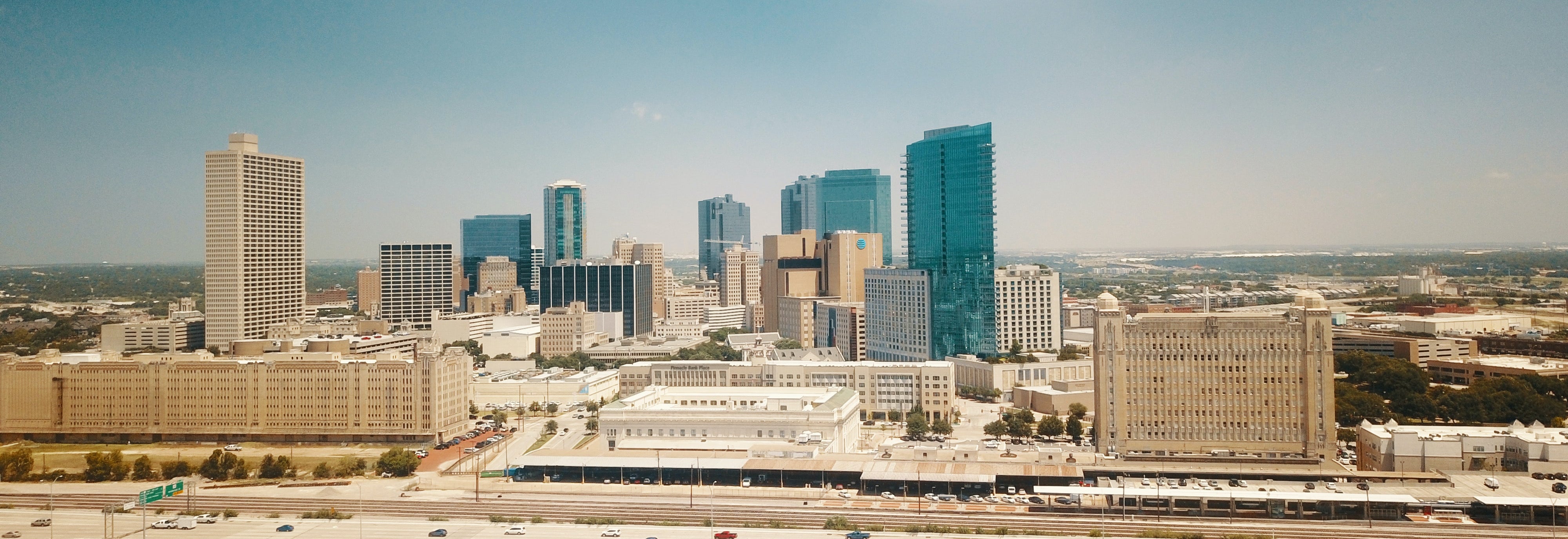
Fort Worth (northwest), also known as "Funkytown", is the tenth-largest city in the US and known for agriculture, oil and gas, defense and logistics. It is home to companies such as Alcon, American Airlines, BNSF, GameStop, Lockheed Martin and Textron/Bell Helicopter, with Charles Schwab and Sabre Technologies nearby. Fort Worth is also known for the Barnett Shale, Texas Motor Speedway, the Fort Worth Stockyards and AllianceTexas, a Mobility Innovation Zone (MIZ) offering unique infrastructure for tech companies and startups.
3.5Dallas
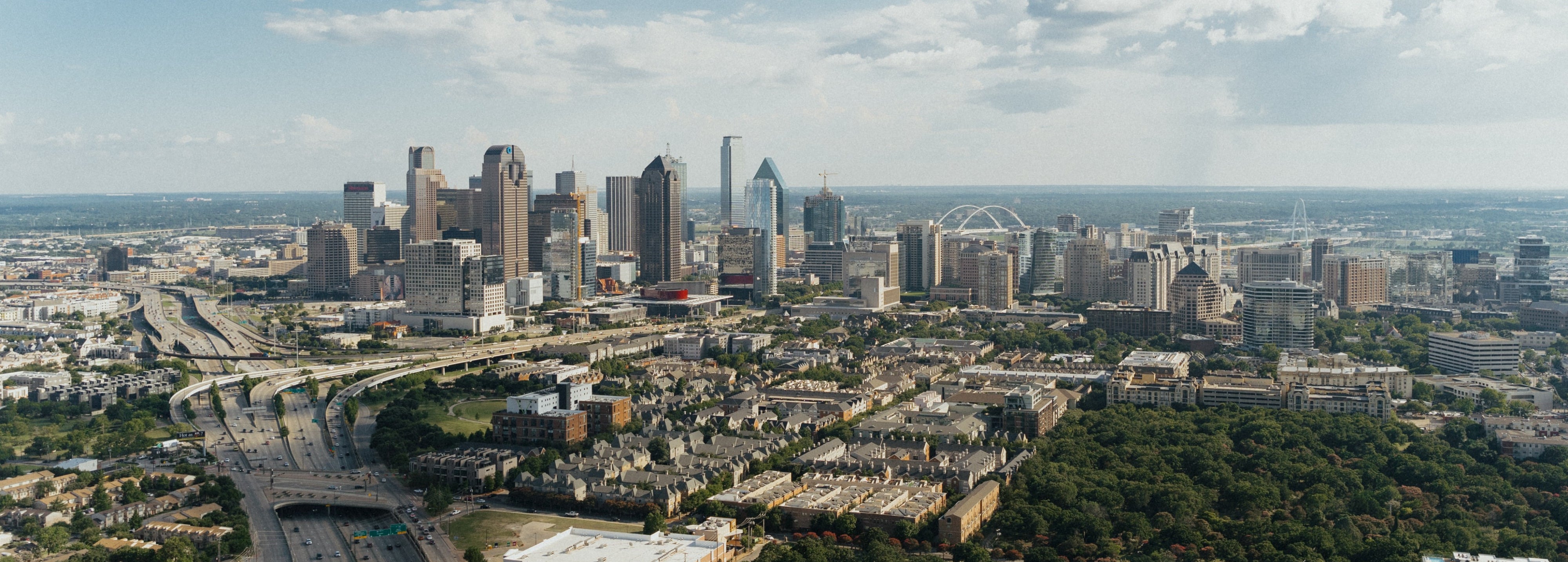
Dallas (north) is the ninth-largest US city and one of the country's biggest commercial real estate markets. The city has critical mass in many industries, including biotechnology, consumer goods, building and construction engineering and travel. Dallas is home to Southwest Airlines and most of the other large companies outside the energy sector. It also has the most family offices actively investing in tech.
3.6Austin
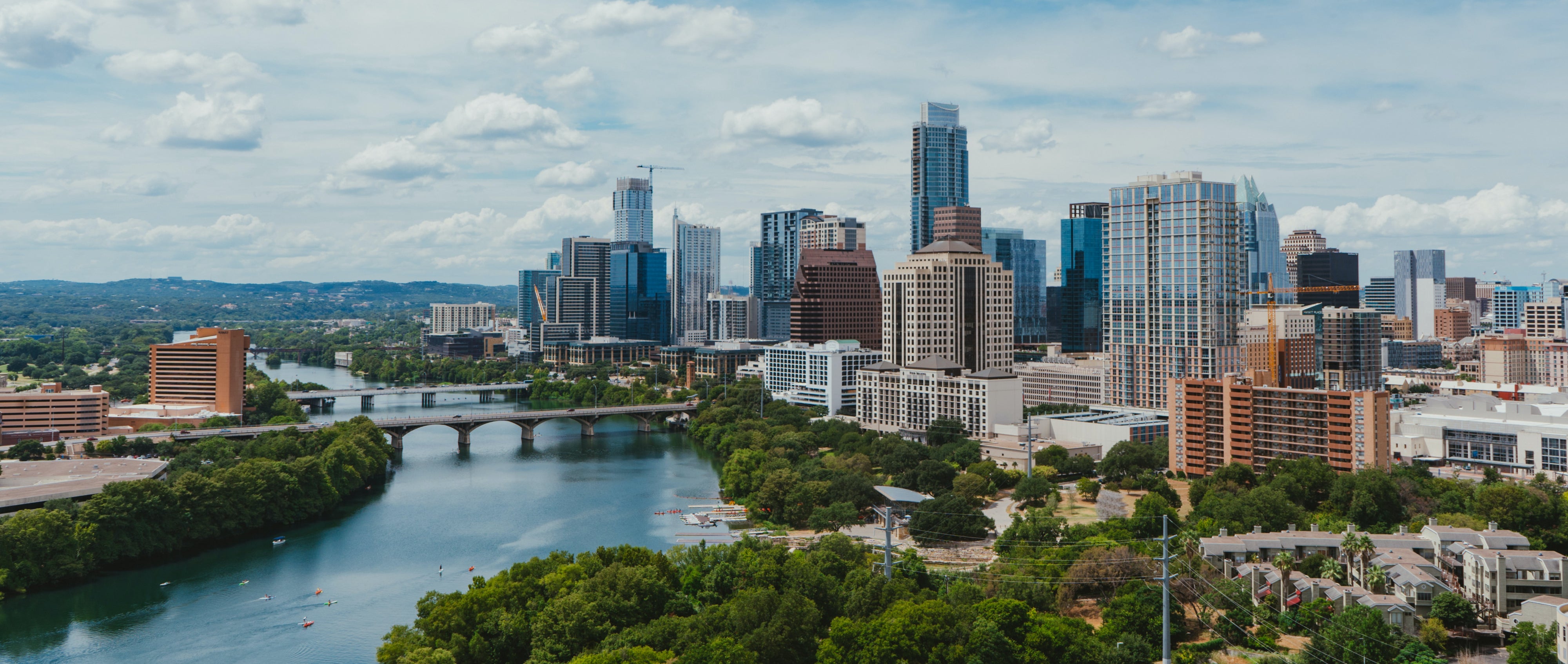
Austin (central) is the twelfth-largest and, year after year, the fastest-growing city in the country. As the tech hub of Texas, it has the most local venture capital and attracts the most, too. Dell, National Instruments and Whole Foods used to be the only companies headquartered in Austin, with Apple, Facebook, Google and Microsoft running some of their largest offices here. Now there are homegrown success stories as well, including Indeed, Sailpoint, Silicon Labs and VRBO. Army Futures Command, Oracle, TikTok, Yeti and Vista Equity Partners are moving or have moved to Austin too.
4The Texas megalopolis
As the world gets smaller and each of the four Texas cities gets bigger, the lines are blurring and the cities are starting to act like one big city. On the major Texas highways, with speed limits of up to 140 km/h, you get from Austin to Dallas, Houston and San Antonio in no time.
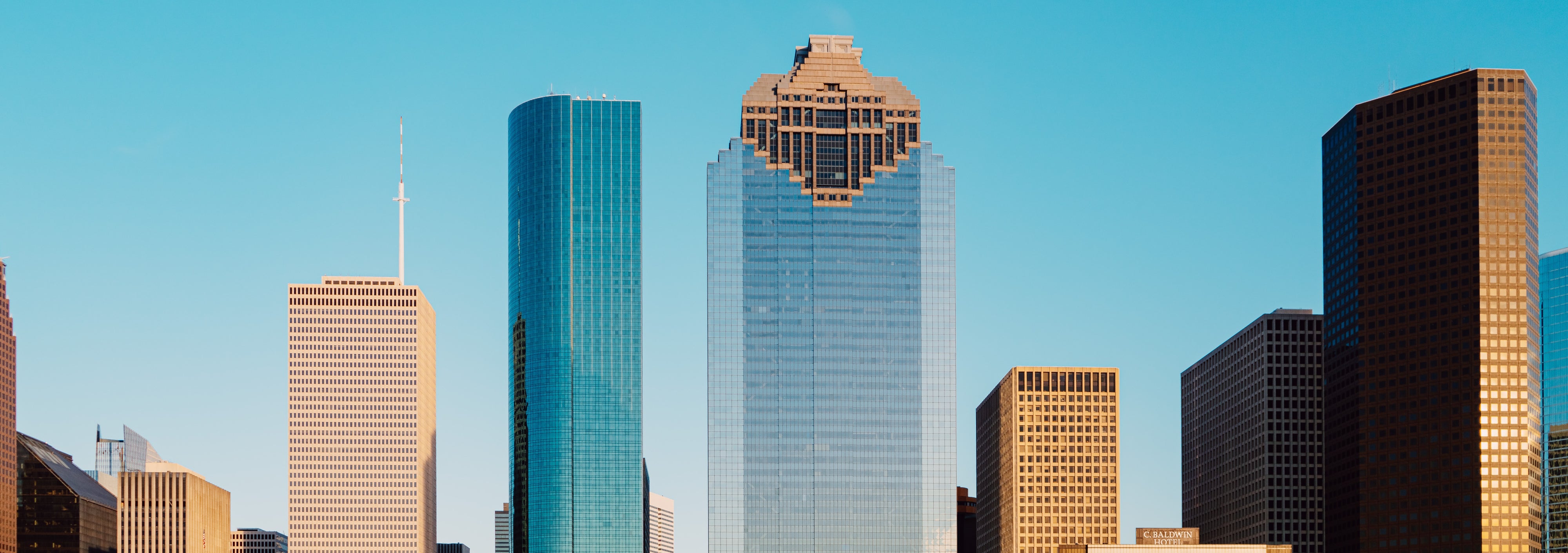
Most of the larger cities are so close together that going by car is just as fast as taking a plane. Southwest offers flights from $86 and Megabus from $5 one way:
- Austin-Dallas: 3-4 hours by car or a 45-minute flight
- Austin-Houston: 2.5 hours by car or a 30-minute flight
- Austin-San Antonio: 1.5 hours by car
- Dallas-Houston: 4 hours by car or a 45-minute flight (a high-speed train with a 1.5-hour journey time has been planned for years but is not yet under construction)
- Houston-San Antonio: 3 hours by car or a 45-minute flight
Everything may be bigger in Texas, but thanks to innovative transportation it feels smaller than ever. And getting from city to city is now more affordable and more convenient.
- Megabus runs eight routes between Austin and Dallas every day, with Wi-Fi and power outlets, for $5 to $28 one way.
- VonLane is like flying first class, just by bus.
- Hitch offers affordable rideshares between cities.
- Surf Air for a time offered daily flights between Dallas and Houston.
-
Texas Central is planning a high-speed rail line between Dallas and Houston. Key regulatory approvals are in place, but the project has stalled: in 2025 the federal government cut a planning grant, and construction has yet to begin.
5Texas is well capitalized
Traditionally, a disproportionately large share of private early-stage funding went to Silicon Valley, thanks to its high density of firms focused on this kind of investment and its large number of startups and private companies compared with other regions.

That dominance has faded. Companies and their funding have moved to, or sprung up in, other cities across the country. At the same time, early-stage companies are looking beyond Silicon Valley's high prices, and more and more often they set up elsewhere to find funding and growth partners.
The venture and private capital ecosystem in Texas has never been healthier or more vibrant than it is today. In fact, it is now a global brand among investors and startups alike.
5.1Accelerators
Texas has a solid lineup of local accelerator programs that help startups raise funding and connect them with mentors and corporate partners. The list grows every year!
- BuildSecFoundry (San Antonio)
- Capital Factory (Austin, Dallas, Houston and San Antonio)
- DivInc (Austin and Houston)
- Founders Institute (Austin)
- Greentown Labs (Houston)
- Health Wildcatters (Dallas)
- MassChallenge TX (Austin and Houston)
- RealCo (San Antonio)
- Sputnik ATX (Austin)
- Techstars (Austin)
-
TMCx (Houston)
5.2Angel investors
Besides a large number of seasoned angel investors, Texas also has many family offices that have traditionally invested in oil and gas and real estate but are now shifting part of their portfolios toward tech, consumer goods and impact investing.
A decade ago, each city had just one angel network. Today Texas has many, and the Central Texas Angel Network and the Houston Angel Network compete every year for the title of most active in the country.
- Central Texas Angel Network
- Houston Angel Network
- BEAM (for women founders)
- Southwest Angel Network (social impact)
- Alamo Angels (San Antonio)
- Baylor Angel Network
- Cowtown Angels (Fort Worth)
- Urban Capital Network (Houston)
- Business Angel Minority Association (Houston)
- Houston Diversity Fund
5.3Venture capital
Over the past five years, Texas has seen significant growth in venture capital sources in three main areas: firms based in Texas, national firms with a local partner or a Texas office, and venture firms from outside Texas that co-invest in Texas startups alongside local investors. Over time, Texas has also seen more investors per deal and larger average rounds. Just how far this now reaches shows in 2025: startups based in Austin raised $7.19 billion in venture capital, more than ever before, up from $4.37 billion in 2024 and beating the previous record year of 2021 ($6.1 billion). The number of rounds fell from 312 to 272: more money is going into fewer but bigger rounds (Crunchbase, data year 2025).
Alongside well-known, established funds such as LiveOak Venture Partners, S3 Ventures and Silverton Partners, a number of relatively young local venture firms were also actively funding deals, including ATX Venture Partners, Gigafund, Ecliptic Capital, Elsewhere Partners, Ironspring Ventures, Moonshots Capital, Next Coast Ventures and True Wealth Ventures.
Aristos Ventures keeps a list of Texas venture capital firms and other funding sources, as well as a working list updated by David Altounian, Associate Professor of Entrepreneurship at St. Edward's University. These in-state firms bring capital to market and deploy it actively and in ways that drive growth.
On top of that, firms traditionally based outside Texas, such as Breyer Capital, Sapphire Ventures, Draper Associates and 8VC, have built a presence in Texas.
Over the past 24 months, the number of venture firms from outside Texas actively taking part in Austin deals has risen sharply. Major players such as Shasta Ventures (data.world), Chicago Ventures (PreFix, MetaSaas, Infinite.io), Andreesen Capital (RigUp) and Noro-Mosely (Aunt Bertha, Trendkite, Outbound Engine) have joined funding rounds for Texas companies, and the list of out-of-state venture firms investing here is growing fast.
The HX Venture Fund is a $50 million fund of funds backed by local companies, set up to attract investment from out-of-town venture funds and encourage it when they are interested in Houston deals. A smart model that others will likely follow.
There is also growing syndication when firms from outside Austin invest in particular Texas companies. For example, Studio VC, Goodwater Capital and Highland Capital Partners (Bay Area firms) invested in Everlywell; Moderne Ventures (Chicago) and Wavemaker Partners (Singapore) in Icon; and investors from Nebraska, Oklahoma and Colorado, together with a Houston-based venture firm, in Televet (an Austin-based veterinary clinic management platform).
Across the Texas business ecosystem, the growing presence of local venture firms and increased syndication with venture firms based outside Texas are leading to more deals at every stage and higher total investment.
Subsidiary, staff, taxes: your start in the US market.
6The history of venture capital in Texas
In the 1990s and 2000s, venture capital in Texas was dominated by one big firm: Austin Ventures. With billions in assets under management, it was behind the funding of some of the biggest Texas success stories of recent decades, including Bazaarvoice, CompUSA, HomeAway (VRBO), Khoros, Lifesize, Motive, Naviant, RetailMeNot, Sailpoint, Silicon Labs, SolarWinds, Spiceworks, Spredfast, Tivoli, Vignette and Waveset.
Austin Ventures was a great venture capital firm, but founders had only one place to go for funding, and raising capital from outside Texas was hard. When Austin Ventures wound down, most of its active investors stayed in Austin and kept investing in Texas, each through smaller, independent funds. Together with new arrivals and outside investors, founders now have plenty of traditional venture capital options, plus new sources such as crowdfunding.
6.1Family offices
In Texas, it really can seem as if money gushes out of the ground. Austin has plenty of angel investors and venture capital firms, but most of the "old money" comes from the oil and gas industry and real estate, concentrated mainly in Dallas and Houston. Family offices traditionally stayed away from tech and startups. Now a new generation is taking the helm, led by Transition Capital Partners, Cathexis Ventures, 2M Companies and Wescott. According to Pitchbook, 35 family offices currently focus on the tech sector.
6.2Foundations and endowments
Texas is also home to many foundations and pension funds. Houston leads, followed by Dallas, Austin and San Antonio. While Houston has the most foundations and pension funds, of the top five (by assets under management), three are in Austin (the Teacher Retirement System of Texas, the University of Texas Investment Management Company and the Texas Permanent School Fund State Board of Education) and two in Dallas (the AT&T Pension Fund and the DIRECTV Pension Plan). They add to the capital available in the state and provide funds to asset managers.
6.3Private equity
According to Pitchbook, Texas has more than 600 private equity firms. Dallas leads with 218 investors, followed by Houston with 170 and Austin with 83. Many of these firms are small, but the number of large firms is growing. The 10 largest private equity firms in Texas hold more than $400 billion in assets and have made thousands of investments. TPG in Fort Worth tops the list with an average of 27 deals a year , followed by Lone Star Funds in Dallas with almost 8 investments a year.
Private equity managers in Texas run both diversified and sector-focused strategies. Energy has its roots in the Lone Star State, but technology brings both diversity and growing opportunities for investors. Vista Equity Partners is a global investment firm headquartered in Austin that specializes in enterprise software, data and tech companies. For more than two decades, it has reliably delivered on its commitments to investors through private equity, permanent capital, credit and public equity strategies. 10 of Vista's more than 65 portfolio companies are headquartered in Texas, underlining the region's growing tech strength.
Where is investment in Texas heading? Partnerships between foundations, family offices, institutions and asset managers will keep backing companies across their entire life cycle, from growing startups to late-stage buyouts. Many private equity firms will keep betting on established and late-stage companies that offer future growth. Smart general partners rely on strong relationships with regional limited partners to secure future investments in Texas.
6.4Crowdfunding
Crowdfunding is a powerful new tool for funding and customer validation. Being part of a large, growing market is a big advantage, and Texas has one. With 4 of the country's 11 largest cities, all within driving distance, you can reach most of the population of the second-largest state from wherever you are.
7Texas is collaborative
The Texas startup community has joined forces across the state: BEAM, DivInc, SKU, MassChallenge, the Army Futures Command, the Texas Military Department, LiveOak Venture Partners, Silverton Partners and many more. Beyond working on their own, they often team up to share spaces and content and create joint programs.
7.1One startup community across Texas
This vibrant startup community connects the state physically and virtually and fosters ties between young businesses and investors. Today a startup in Austin or San Antonio often has investors in Dallas or Houston, and no longer feels it has to move to San Francisco. Thanks in part to the pandemic, it has become ever easier to see Texas as one big city.
In recent years, deal activity in Dallas and Houston has grown steadily too. The startup scene is no longer centered purely on Austin but noticeably on the other Texas metros as well.
7.2Texas is business-friendly & low-tax
Many people know that Texas has no corporate income tax and no personal income tax; companies pay only the franchise tax, which applies only above $2.65 million in annual revenue (report years 2026/2027). It is also a "right-to-work" state that limits non-compete agreements for talent.
Fewer people know that since 2003, the Texas Enterprise Fund has offered incentives to companies that move to Texas and create new jobs. When it comes to economic growth, everyone, from the governor to local chambers of commerce, pulls in the same direction.
Entity type, state and tax consequences, before you commit.
8Texas is diverse
More than many other states, Texas reflects the diversity of the country and the planet. It has some of the largest cities and some of the most remote places. Texas is red and it is blue. It is white, Black and Hispanic. In Texas, there is room for everyone.
Texas has 96 Hispanic Serving Institutions across the state, including UT El Paso, UTSA, UT Arlington, UT RGV, Texas State, Texas Tech, the University of North Texas and the University of Houston.
Bumble's historic IPO made Whitney Wolfe Herd the youngest woman to take a company public, and one of only about 20 women ever to do so. Besides being a successful entrepreneur, she is a passionate advocate for women's rights.
In recent years, Texas has increased funding for underrepresented groups. Every year, Capital Factory runs a $100,000 competition for Black founders and another for women founders. True Wealth Ventures focuses on funding companies with women on the leadership team. Numerous angel networks focus on underrepresented founders, including BEAM, Urban Capital Network, the Business Angel Minority Association and the Houston Diversity Fund. Agave is a new fund focused on backing Black and Hispanic founders. The Artemis Fund is a Houston-based venture capital firm that invests in women-led tech companies. And the M/O Fellowship powered by Naturally Austin + SKU is a new program that supports minority founders in consumer goods.
9Texas, the place to be
Seasoned business veteran or first-time founder, Texas has plenty to offer established companies, startups and talent across every industry. This diverse state draws workers, businesses and investors alike, and while it stopped being an insider secret long ago, it is still one of the hottest tips for anyone who wants to do business in the USA. Our guides to entering the US market and forming a US company show you how to get started there. The profiles Is Austin the best city in the USA? and The Lone Star State: cash and cowboys on our Texas page round out the picture. And if you want to run a US LLC without a US permanent establishment, our sister firm zerotax.llc is the right place to go.
Sources: Office of the Texas Governor, Texas Economic Snapshot (GDP 2025, export share); U.S. Bureau of Economic Analysis, GDP by State. Last checked August 31, 2026.
- In 2025, Texas generated a GDP of $2.9 trillion. As a country of its own, it would be the eighth-largest economy in the world.
- Four of the ten fastest-growing US metro areas are in Texas, and more than 50 Fortune 500 companies are headquartered there.
- Universities, medicine, defense and aerospace drive innovation, and Austin, Dallas, Houston and San Antonio are growing together into a startup megalopolis.
- Accelerators, angel networks, venture capital, family offices and private equity fund founders across the state.
- No personal income tax, and franchise tax only kicks in above $2.65 million in annual revenue.
How we help you
- US Company FormationLLC, Inc or LP in Delaware, Florida, California, New York, Texas or Wyoming.
- Form a CorporationThe US corporation (Inc) for growth, investors and your visa.
- Form an LLCThe US LLC with a permanent establishment, turnkey in six states.
- Visa Roadmap for Company FormationFormation and visa in one plan, so the company carries the visa.
- US market entrySubsidiary, staff, taxes: your start in the US market.
- Company formation consultationEntity type, state and tax consequences, before you commit.