
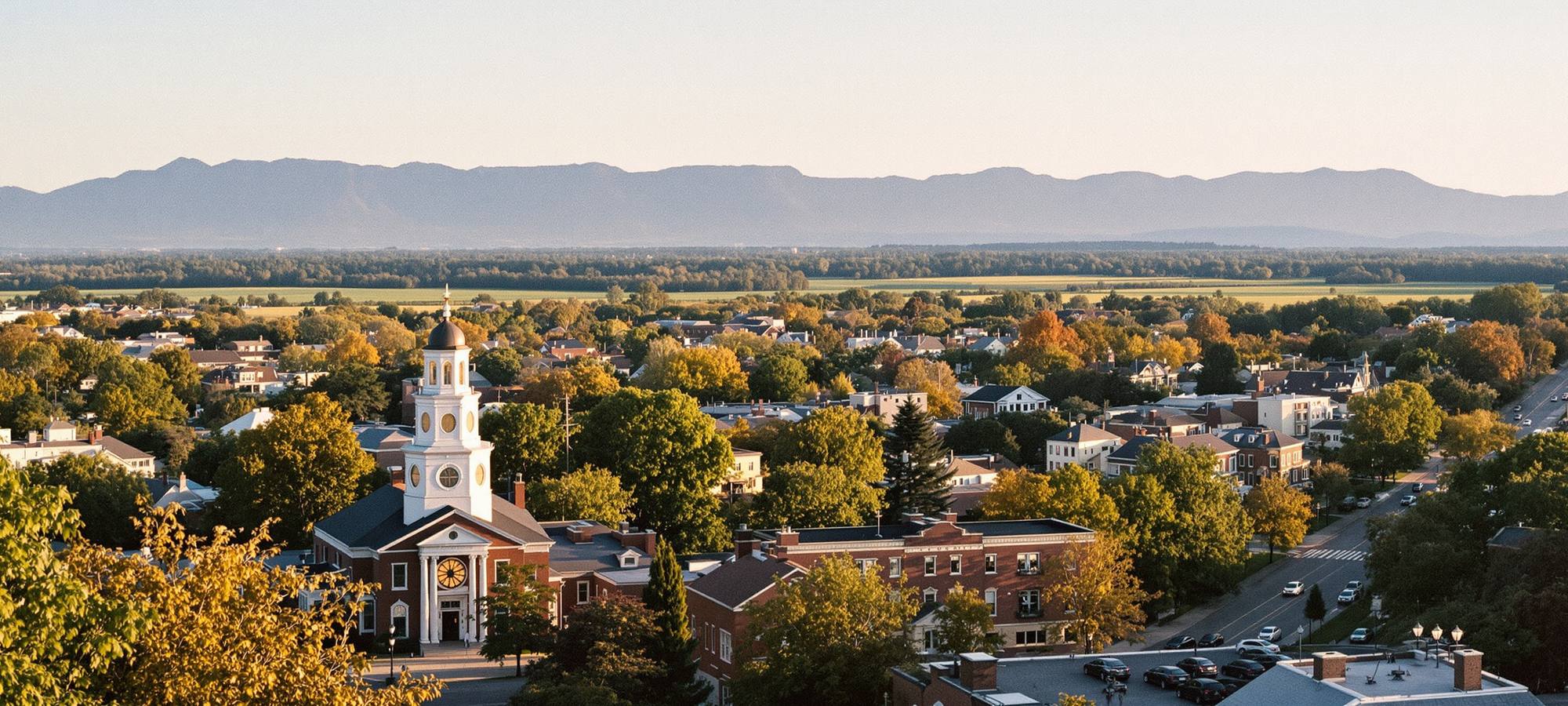
Nobody in Europe has heard of these places. That is exactly why your money still buys a house there.
The ten best small cities in the USA
Part of the guide Arriving in the USA: your first 90 days as a checklist
There are two ways to move to America. One takes you to a metro area of millions, where your money buys a townhouse in the third ring of suburbs and, three years on, your family still doesn't know a single neighbor by first name. The other takes you to a city where the same money buys a house with a yard, your company is known at the chamber of commerce within six months, and your kids go to the same school as your customers' kids.
This page is about the second way. It shows the ten strongest small metro economies in the USA according to the Milken Institute's Best-Performing Cities Index 2026, and it is written for the reader who doesn't need a big city and wants their money to make a difference.
1What "small" means in America
First, a sense of scale, because "small town" is misleading here. The index splits 411 metro areas into two classes: 206 large ones with 275,000 residents or more, and 205 small ones below that. The smallest region on this page has 91,591 residents, the largest 266,376. In the US that is not a village but a complete economy: with a university, a hospital, an airport, a chamber of commerce and a job market that can sustain a supplier, a practice or a workshop.
What sets them apart from the twelve large metro areas in the ranking is not the quality of the economy but the entry price. That is what this page is about.
2The entry price, in one number
The typical home value in the USA in July 2026 was $371,800 (Zillow Home Value Index). Four of the ten regions on this page come in below that:
- Midland, Texas: $332,800
- Kenosha County, Wisconsin: $339,300
- Auburn-Opelika, Alabama: $352,500
- Pocatello, Idaho: $355,700
For comparison: on the list of large regions, the same typical home costs $497,100 in Boise, $566,200 in Salt Lake City and $816,100 in Arlington County. The difference between Midland and Arlington is $483,300, and for that money you can build a business in Midland instead of a kitchen.
And for completeness, the other direction: Bend, Oregon, costs $668,200, more than any large region in this ranking except Arlington. A small city is not automatically a cheap city. Which one it is, you'll find below for each.
3Where the numbers come from
The basis is the Milken Institute's Best-Performing Cities Index 2026, published January 27, 2026, small metro class, places 1 to 10 in index order. The index scores 13 metrics covering the job market, high-tech performance and access to economic opportunity; the data mostly covers the year 2024, with short-term job growth running to July 2025.
We calculated population and growth from the Census estimates as of July 1, 2025; unemployment rates come from BLS data for June 2026, home values from the Zillow Home Value Index for July 2026. Zillow doesn't track Kenosha as its own metro area, so the figure there is for Kenosha County.
4Half Idaho, half Utah: the honest explanation
Before the list begins, one finding we shouldn't gloss over. Three of the ten regions are in Idaho, two in Utah. So half of America's best small economies sit in two neighboring states of the Intermountain West, a region with barely four million people combined.
This is no quirk of the method but a visible trend. Over the past fifteen years, domestic migration in the US has flowed from the expensive coastal markets to the mountain states, with California the biggest source. Where people with savings and remote work contracts move, construction, healthcare and service jobs follow, and both states add a favorable tax and permitting climate. Idaho and Utah are the winners of this shift.
What follows is both a warning and an argument. The warning: a migration boom prices itself in. Coeur d'Alene now costs $605,400, St. George $528,900. The argument: Idaho Falls, Pocatello and Logan sit well below that and share the same regional momentum.
One hour with the firm: your case, your questions, a clear answer.
5No. 1: St. George, Utah, on top for the first time

St. George in southwestern Utah, between Zion National Park and the Nevada line, is the top-ranked small metro in the USA for the first time, up from No. 2 the year before. It has been in the top five without a break since 2016.
The job market is one of the strongest in the country: No. 2 for five-year job growth, No. 7 for one-year, No. 5 short-term. From 2019 to 2024 the region grew its jobs by 24 percent and by another 4 percent the following year; both figures rank among the top five in the USA. Its high-tech sector grew faster over the same period than in any other small region in the country, though from a low base: in high-tech concentration St. George ranks only 105 of 205. Growth is driven by hospitality, healthcare and education, plus Tech Ridge, a mixed-use campus on the site of the old airport, along with Utah Tech University and Dixie Technical College.
The index itself names the model's two limits. First, housing: St. George ranks 153 of 205 small regions for affordability, and at $528,900 the typical home value is 42 percent above the US average. Second, water: communities in Washington County already use about 90 percent of their reliable water supply, and the Virgin River, the main source, is under drought pressure. On the plus side, income inequality has fallen; the region climbed 87 places in the Gini ranking within a year.
5.1Key figures
- Index rank 2026: 1 (previous edition 2)
- Population: 213,670 (July 1, 2025, Census), growth +2.5%
- Unemployment rate June 2026: 3.8% (BLS)
- Typical home value, July 2026: $528,900, 1.1% below the previous year (Zillow)
6No. 2: Idaho Falls runs on a national laboratory

Idaho Falls in eastern Idaho ranks No. 2, and it owes that essentially to one institution: the Idaho National Laboratory, the nuclear research lab of the US Department of Energy. It employs more than 6,200 highly qualified people, is the fifth-largest employer in the state and has a documented economic impact of more than three billion dollars for Idaho. By the lab's own calculation, every job there supports 1.8 more jobs in the surrounding economy, around 11,520 in total.
What makes the location so interesting right now is America's return to small nuclear reactors. The converted reactor dome of the former EBR-II in Arco is back in operation as the world's first purpose-built test bed for fueled microreactors, and private companies can test their reactor designs there. On 31 March 2026, Idaho also applied for a nationally tendered Nuclear Lifecycle Innovation Campus.
What this means for you: Idaho Falls is an engineering town with a very specific customer base. If you offer instrumentation and control, radiation protection or plant engineering, you will find a market here with a concentration you won't see anywhere else. If that's not your field, you will find a quiet, well-paid, thoroughly American small town with the Tetons on the horizon and a typical home value of $413,700.
6.1Key figures
- Index rank 2026: 2 (previous edition 3)
- Population: 173,851 (July 1, 2025, Census), growth +1.4%
- Unemployment rate June 2026: 3.2% (BLS)
- Typical home value, July 2026: $413,700, +1.1% year over year (Zillow)
7No. 3: Kenosha grew by zero people and still ranks third
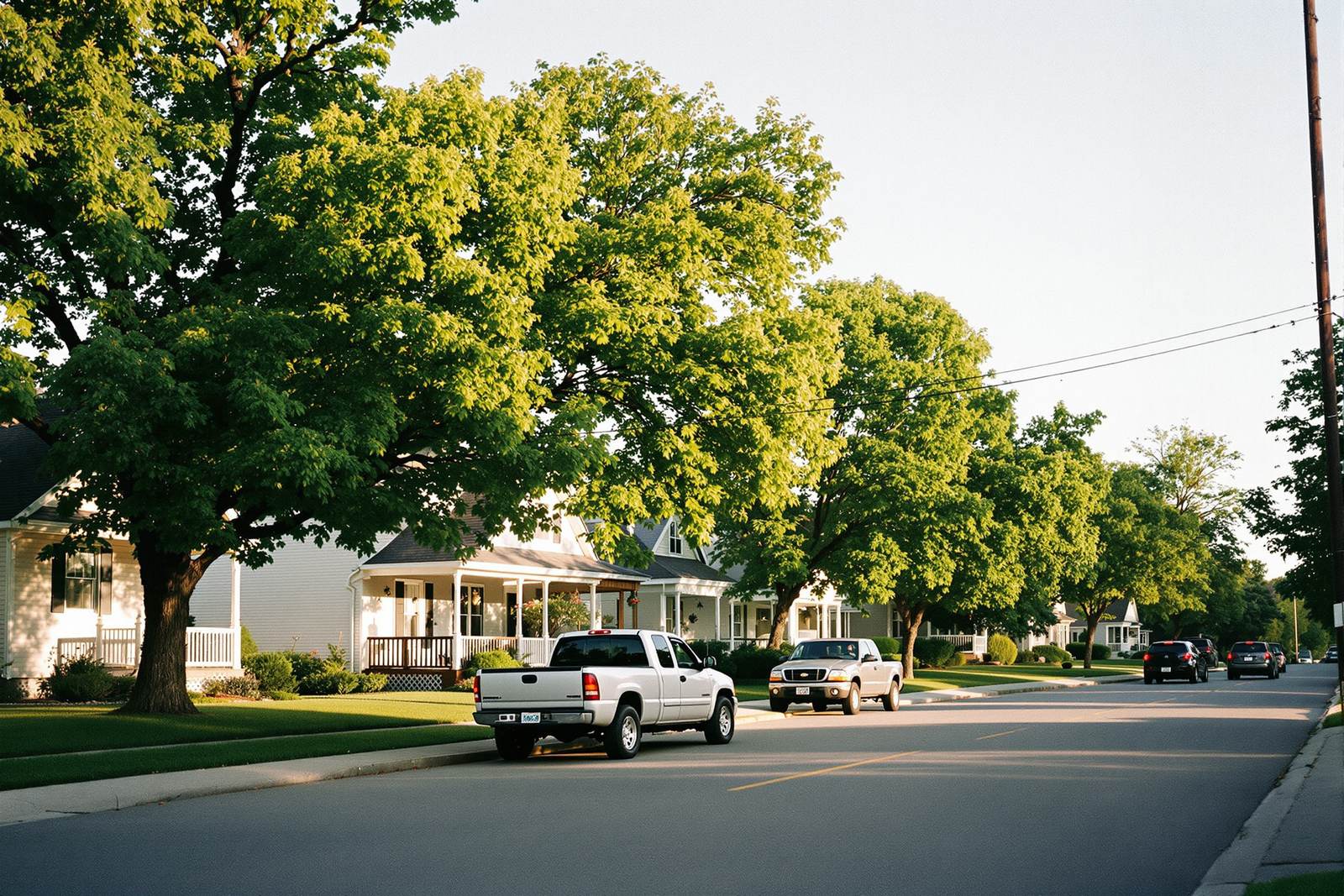
Kenosha, Wisconsin, is new to the top ten, entering straight at No. 3, and the region delivers the oddest number on this whole page. Between July 1, 2024 and July 1, 2025, its population held steady to the exact person: 168,448 before, 168,448 after. Net zero. Since 2020 it has even shrunk slightly.
Economically, though, things are moving, and they are moving along Interstate 94 between Chicago and Milwaukee. Kenosha County spent two decades deliberately attracting logistics; distribution centers for Amazon, Uline and Meijer are the result. And in early 2025, Microsoft bought 240 hectares in the city of Kenosha for a data center. Southeastern Wisconsin is becoming a hub for compute-heavy infrastructure because it has two things that are scarce elsewhere: electrical capacity and fresh water.
If you're moving here, this is the most interesting combination on the page. Kenosha is the second-cheapest region on the list and at the same time the one with the strongest rise in home values, at $339,300 in Kenosha County and up 6.9 percent in a single year. It is half an hour's drive from the Milwaukee city limits and just over an hour from Chicago, with commuter rail. If you want access to two major metro markets without living and paying there, take a close look at this address.
7.1Key figures
- Rank in the 2026 index: 3 (not in the top 10 in the previous edition)
- Population: 168,448 (July 1, 2025, Census), growth 0.0%
- Unemployment rate June 2026: 3.6% (BLS)
- Typical home value, July 2026: $339,300 in Kenosha County, +6.9% year over year (Zillow)
8No. 4: Bend, Oregon, is the exception to this page's rule
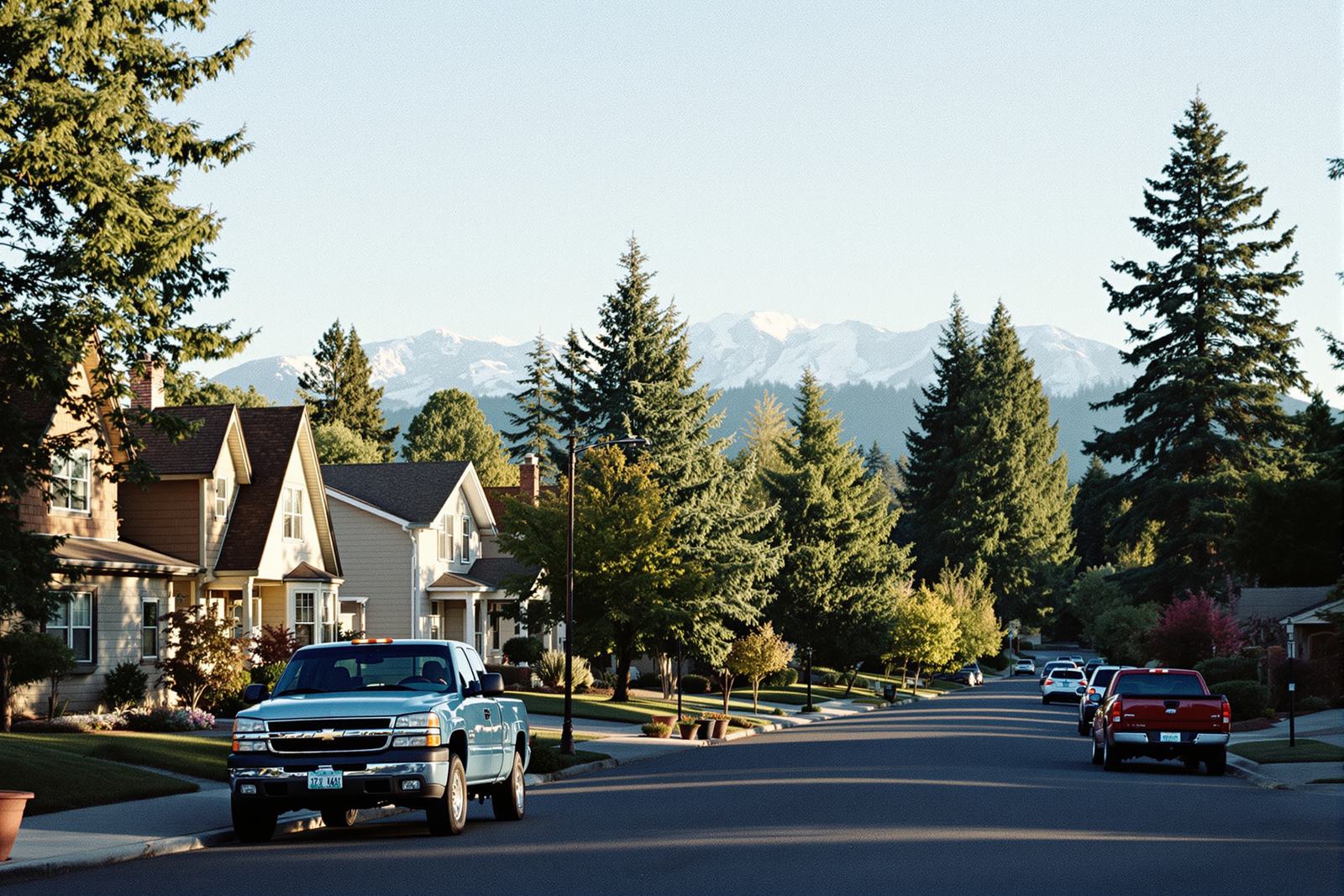
Bend, Oregon, holds on to last year's fourth place and, with 266,376 residents, is the largest region on this page. The city sits on the high plateau east of the Cascades, has turned a timber economy into an outdoor and tech economy, and is home to brands like Hydro Flask and Deschutes Brewery; the largest single employer is St. Charles Health System.
The reason Bend still appears here as a warning is structural. By some estimates, 25 to 30 percent of Bend's workforce works remotely for employers in Portland, Seattle or the Bay Area. That lifts household incomes above what local wages would support, and it lifts home prices with them. At $668,200, a typical home in Bend is the most expensive of all 22 regions we cover on this page and in the main ranking, and 80 percent above the US average. At 4.9 percent, its unemployment rate is the highest on this page.
So who is Bend right for? Anyone who brings their income with them. If you earn location-independently or from Europe, Bend buys you quality of life at a price that is still a bargain compared with California. If you still have to earn your income there, you are buying a problem.
8.1Key figures
- Index rank 2026: 4 (previous edition 4)
- Population: 266,376 (July 1, 2025, Census), growth +0.8%
- Unemployment rate, June 2026: 4.9%, the highest on this page (BLS)
- Typical home value, July 2026: $668,200, 1.3% below the previous year (Zillow)
9No. 5: Pocatello jumps 26 places, and in April came the layoffs

Pocatello in southeastern Idaho makes the second-biggest leap in the entire index, from No. 31 to No. 5. With 91,591 residents, it is the smallest region on this page. The town rests on three stable employers: Idaho State University with more than 3,000 staff, and the Pocatello/Chubbuck school district and Portneuf Medical Center with more than 1,000 each.
And then comes the part the index never saw. The local semiconductor plant, operating as LA Semiconductor since 2021, has been in receivership since December 2024. A sealed-bid sale process ran until January 16, 2026 and still hasn't closed. The first wave of layoffs began on April 10, 2026, with a second following on May 1; in total, 342 employees lost their jobs. In a region of 91,591 people, that is no footnote.
We are keeping Pocatello on the list anyway and telling you what happened. That is exactly how a ranking should be read: it describes conditions in 2024, not today. The case for Pocatello still holds: $355,700 for a typical home, three recession-proof employers, a university and a location on Interstate 15 between Salt Lake City and Idaho Falls. The case against it is in the paragraph above.
9.1Key figures
- Index rank 2026: 5 (previous edition 31)
- Population: 91,591 (July 1, 2025, Census), growth +0.7%
- Unemployment rate June 2026: 4.3% (BLS)
- Typical home value, July 2026: $355,700, +1.4% year over year (Zillow)
10No. 6: Helena, Montana, has the lowest unemployment of them all

Helena, the capital of Montana, is new to the top ten at No. 6. With 3.0 percent unemployment in June 2026, the region has the lowest rate of all 22 metro areas on this page and in the main ranking.
The reason is the same as for Olympia in the main ranking, just on a smaller scale: the State of Montana is by far the largest employer, and the Capitol and state agencies are based here. Education and health care make up the largest block of jobs at 27.1 percent, anchored by St. Peter's Health, Helena Public Schools and Carroll College; public administration follows with just over 15 percent. The result is a job market with no seasons and no cycles, which is remarkable in a state whose wider economy depends on tourism and natural resources.
If you're moving here, Helena is the quietest address on this page: 97,153 residents, a historic downtown, mountains in view, and a home value of $480,000 that rose 3.2 percent in a year. Know before you go that Montana is sparsely populated: the next sizable city is an hour's drive away, and the nearest international airport with connections to Europe is considerably farther.
10.1Key figures
- Rank in the 2026 index: 6 (not in the top 10 in the previous edition)
- Population: 97,153 (July 1, 2025, Census), growth +0.6%
- Unemployment rate, June 2026: 3.0%, the lowest on either list (BLS)
- Typical home value, July 2026: $480,000, +3.2% year over year (Zillow)
11No. 7: Coeur d'Alene, where North Idaho is booming
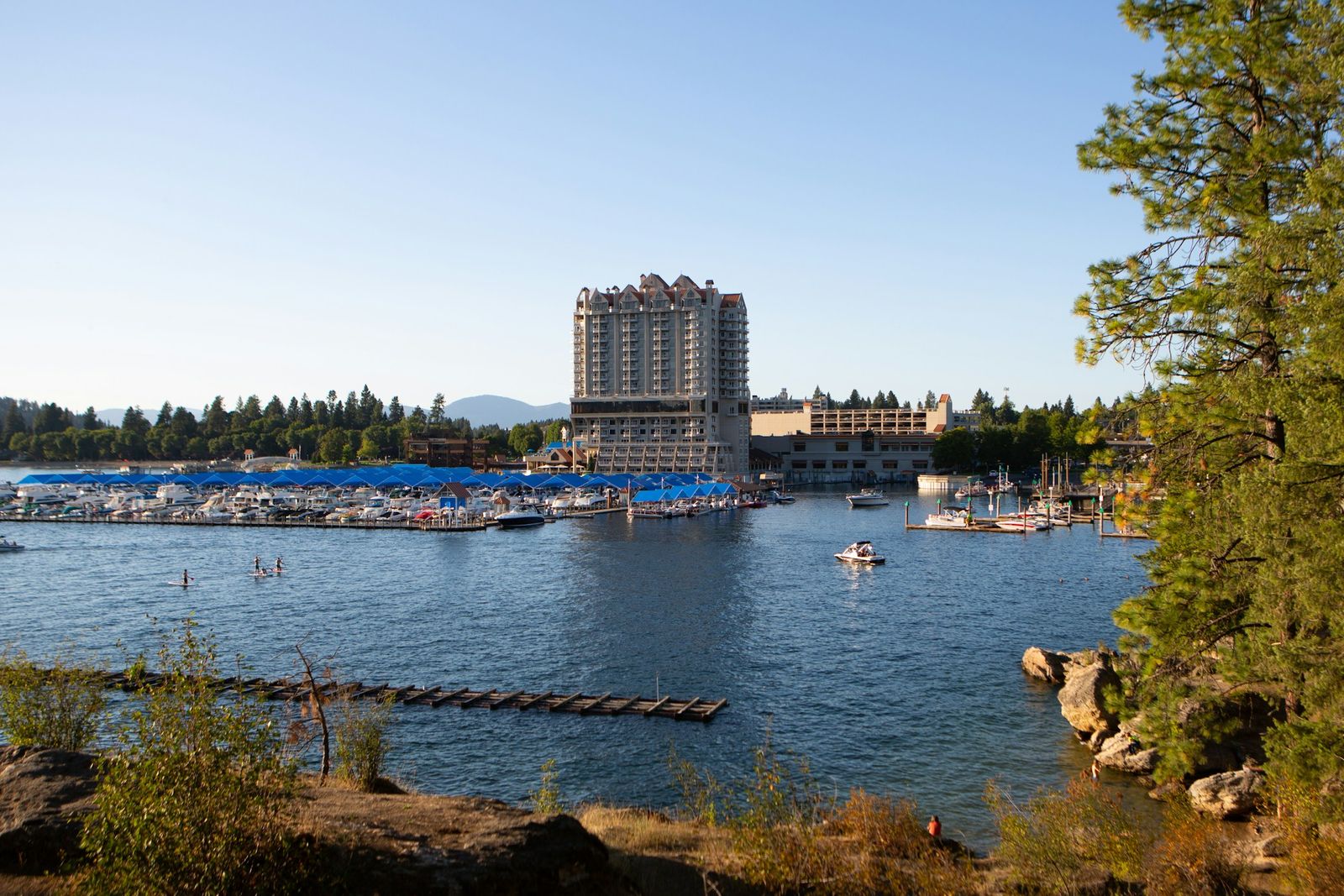
Coeur d'Alene holds No. 7 and, at +1.8 percent, is the fastest-growing region on this page after Midland. It sits in the far north of Idaho, half an hour's drive east of Spokane, Washington, and works economically as Spokane's eastern wing.
Its track record of recent years is the most impressive on this list: since before the pandemic, North Idaho has posted 20 percent population growth, 24 percent more jobs and more than 50 percent higher total payrolls. The largest employer is Kootenai Health, alongside logistics, light manufacturing, skilled trades and a lakeside tourism economy. The US Department of Commerce has designated the Spokane and Coeur d'Alene area a Regional Technology Hub, with a focus on aerospace materials.
The price of this boom is plain to see. At $605,400, Coeur d'Alene is the second most expensive region on this page after Bend, 63 percent above the US average and still climbing. If you want North Idaho's momentum without paying that price, you'll find it in Idaho Falls and Pocatello, six to eight hours' drive farther south.
11.1Key figures
- Index rank 2026: 7 (previous edition 7)
- Population: 191,864 (July 1, 2025, Census), growth +1.8%
- Unemployment rate June 2026: 4.0% (BLS)
- Typical home value, July 2026: $605,400, +2.5% year over year (Zillow)
12No. 8: Logan makes the biggest leap in the whole index
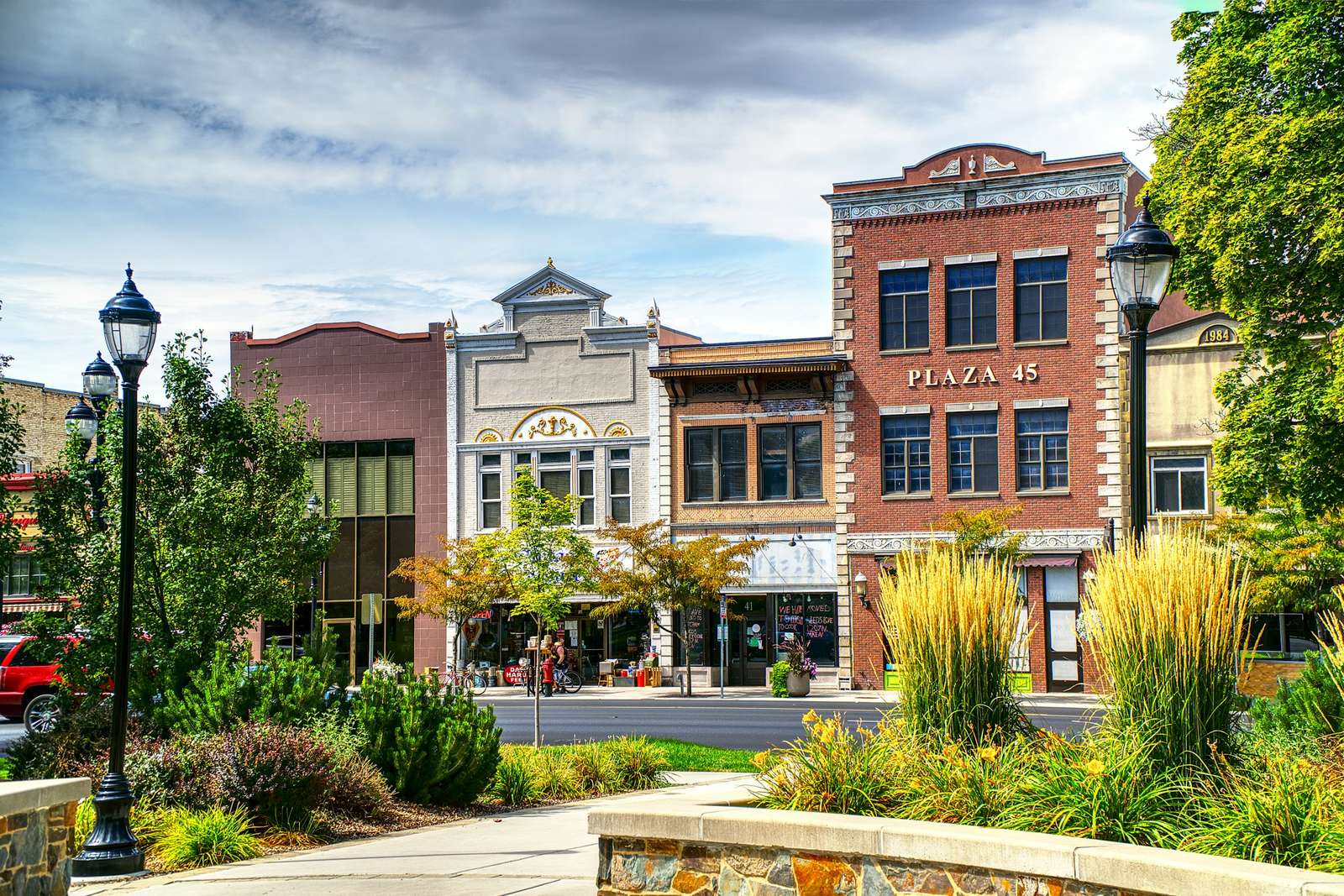
Logan, in Cache Valley on the Utah-Idaho border, jumps from No. 48 to No. 8, the biggest leap of any region in the 2026 index. The town is anchored by Utah State University, by far the largest employer, and by a manufacturing base that is surprisingly broad for a valley this size: fitness equipment, food processing, and laboratory and analytical technology.
What stands out is how Logan made this leap. Not with high tech, but with the metrics for access to economic opportunity: No. 1 among all small cities for community economic resilience, No. 5 for broadband access, No. 6 for income distribution, plus a recovering job market. That is the profile you look for when you're coming with a family and want more than just a paycheck.
Logan, too, now grows almost entirely from within: in the year to July 2025, a net 1,015 people moved away to other states, and the gain of 560 residents came from births outpacing deaths. At $471,100, the typical home value sits mid-table on this page and well below Salt Lake City, a good hour's drive south.
12.1Key figures
- Index rank 2026: 8 (previous edition 48)
- Population: 160,889 (July 1, 2025, Census), growth +0.4%
- Unemployment rate June 2026: 3.4% (BLS)
- Typical home value, July 2026: $471,100, +2.8% year over year (Zillow)
13No. 9: Midland, Texas, is the most affordable address on both lists
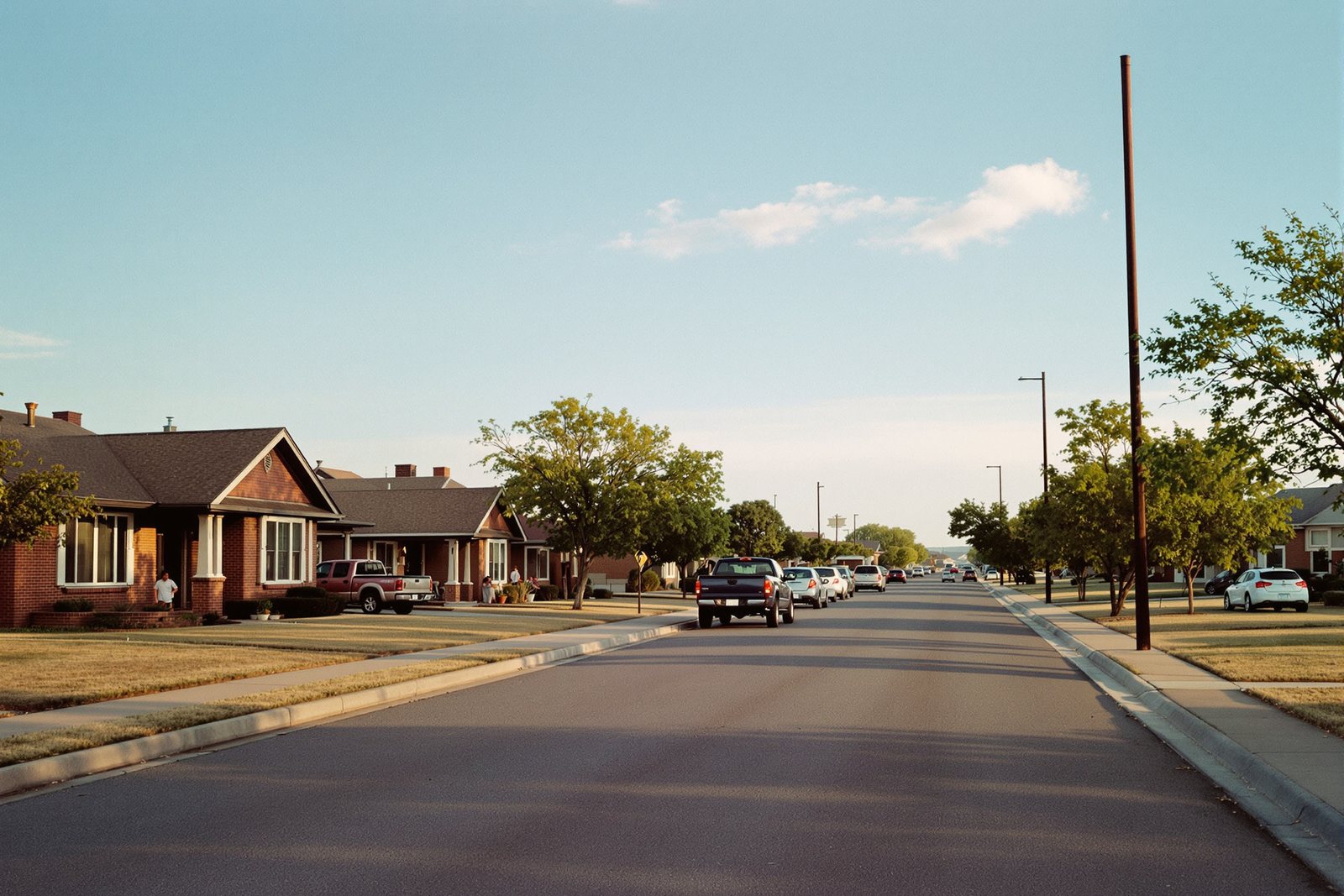
Midland in West Texas slips from No. 5 to No. 9, yet it brings two numbers that stand out on this page. First, at $332,800, a typical home here is the cheapest of all 22 regions and eleven percent below the US average. Second, at +2.0 percent, Midland is growing faster than any other region on this page.
The reason is the Permian Basin, the most productive oil field in the United States, and Midland is its administrative capital. Employment in the twin metro of Midland and Odessa rose 3 percent from March to June 2026, against 0.8 percent nationally and 2.4 percent in Texas. Permian oil output reached 6.8 million barrels a day in the second quarter of 2026, up from 6.6 in the first. Add the state's tax advantage: Texas levies no state income tax.
The risk is as clear as the opportunity. Midland is a one-industry town. After years of double-digit output growth, production now rises only three to four percent a year, and the region has taken the full hit of every oil price crash in its history. The city is working to diversify, with distribution, e-commerce, renewables and the Midland International Air & Space Port. If you move here, build your business model to survive oil at $45.
13.1Key figures
- Index rank 2026: 9 (previous edition 5)
- Population: 193,139 (July 1, 2025, Census), growth +2.0%
- Unemployment rate June 2026: 3.6% (BLS)
- Typical home value, July 2026: $332,800, the lowest on both lists, +1.6% (Zillow)
14No. 10: Auburn-Opelika is building the kind of supply chain European manufacturers know

Auburn-Opelika in eastern Alabama, on Interstate 85 between Atlanta and Montgomery, holds No. 10 as it did last year and, of all ten regions, will feel the most familiar to a European manufacturing business.
Over two decades, the City of Auburn has deliberately built a cluster of automotive suppliers in its industrial parks, within reach of the vehicle plants in Alabama and Georgia. At its heart is a model familiar in Europe but rare in America: the Advanced Manufacturing Training Center, founded by the city's economic development office together with Auburn University to upskill production staff. Anyone who has tried to find trained production workers in the US knows what that is worth. In 2026 the region won the Mac Conway Award for economic development for the second year running, an honor given to the top twenty regional economic development organizations in the country.
Then come the usual perks of an American college town: Auburn University as employer and talent pipeline, a young crowd, a well-kept downtown. And the price is right: $352,500 for a typical home, below the US average, though with the second-strongest appreciation on this page at 4.5 percent a year. If you want to buy here, don't wait too long.
14.1Key figures
- Index rank 2026: 10 (previous edition 10)
- Population: 208,013 (July 1, 2025, Census), growth +1.0%
- Unemployment rate June 2026: 3.7% (BLS)
- Typical home value, July 2026: $352,500, +4.5% year on year (Zillow)
15What this means for your plans
Three things that work differently in a small metro than in a big one.
First: the same sum counts for more here. The E-2 investor visa has no statutory minimum. It requires a "substantial" investment, and substantial is always measured against what the business needs to operate. An amount that buys a stake in an office in Austin or Arlington buys a complete operation in Midland, Pocatello or Auburn, with a building, equipment and staff. That doesn't make the visa easier, but it makes the file stronger. For the other routes, see our overview of US visas.
Second: where you live is not where your company is based. In the US these are two separate decisions, and the small town you want to live in doesn't have to be in the state where your company is registered. How to keep the two apart is explained under state and entity type, and we cover the choice itself under which state is best for your company.
Third: taxes beat rents. Of the ten regions, only Midland is in a state with no state income tax. Utah, Idaho, Montana, Wisconsin, Oregon and Alabama all levy one, and Oregon at much higher rates than the others. On a high income, that difference outweighs any gap in home prices. The system behind it is explained on our page on the US tax system.
Our cost-of-living comparison for Europe, the UK and the USA works through the everyday costs no home value captures. The other building blocks of a move, from health insurance and choosing a school to credit history, are in our guide to moving to the USA.
Company formation and visa in one plan, so your company carries your visa.
16If this feels too small
This page continues the ranking downward. The other half of the same list, the twelve strongest large metros from Fayetteville to Arlington, is on our page Where in America is the best place to live?. There, job markets are broader, airports better connected and prices higher. Both pages come from the same index and the same edition, so they compare directly.
Data: Milken Institute, Best-Performing Cities 2026 (January 27, 2026), small metro category, data year mostly 2024, employment data through July 2025; U.S. Census Bureau, metro population estimates as of July 1, 2025 (Vintage 2025); Bureau of Labor Statistics, Local Area Unemployment Statistics for June 2026, not seasonally adjusted; Zillow Home Value Index, July 2026 (Kenosha: county value, as Zillow does not track a separate metro there). Next update with the 2027 index in January 2027.
- This page presents the ten best small metros in the Milken Institute's 2026 Best-Performing Cities index, from St. George, Utah, to Auburn-Opelika, Alabama.
- Small here means under 275,000 residents: complete local economies with a university, hospital, airport and a solid job market.
- Half the list is in Idaho and Utah. Midland, Texas, is the most affordable address on both lists.
- Where you live and where your company is based are two separate decisions. Only Midland is in a state with no state income tax, and on a high income that tax weighs more than the house price.
How we help you
- ConsultationOne hour with the firm: your case, your questions, a clear answer.
- Visa Roadmap for Company FormationFormation and visa in one plan, so the company carries the visa.
- Moving to the USAVisa, bank account, taxes and where to live: your move with Mount Bonnell Advisors.
- US Company FormationLLC, Inc or LP in Delaware, Florida, California, New York, Texas or Wyoming.
- Visa and Green Card ConsultationWhich route to the USA fits you, settled in one conversation.
More practical guides: settling in the USA
All articles → Arriving in the USA: your first 90 days as a checklist Read more →
 Where in America is life best? Read more →
 Financial planning: credit score & credit history Read more →
 Schools & education: the best universities in the world, but... Read more →
 Health insurance & healthcare: expensive, but good Read more →