Harvard is world class. The high school around the corner may not be.
Schools & Education: The World's Best Universities, but...
Part of the guide Arriving in the USA: your first 90 days as a checklist
As I described above, healthcare in the USA is big business. The same can be said of the American education system, at least at university level.
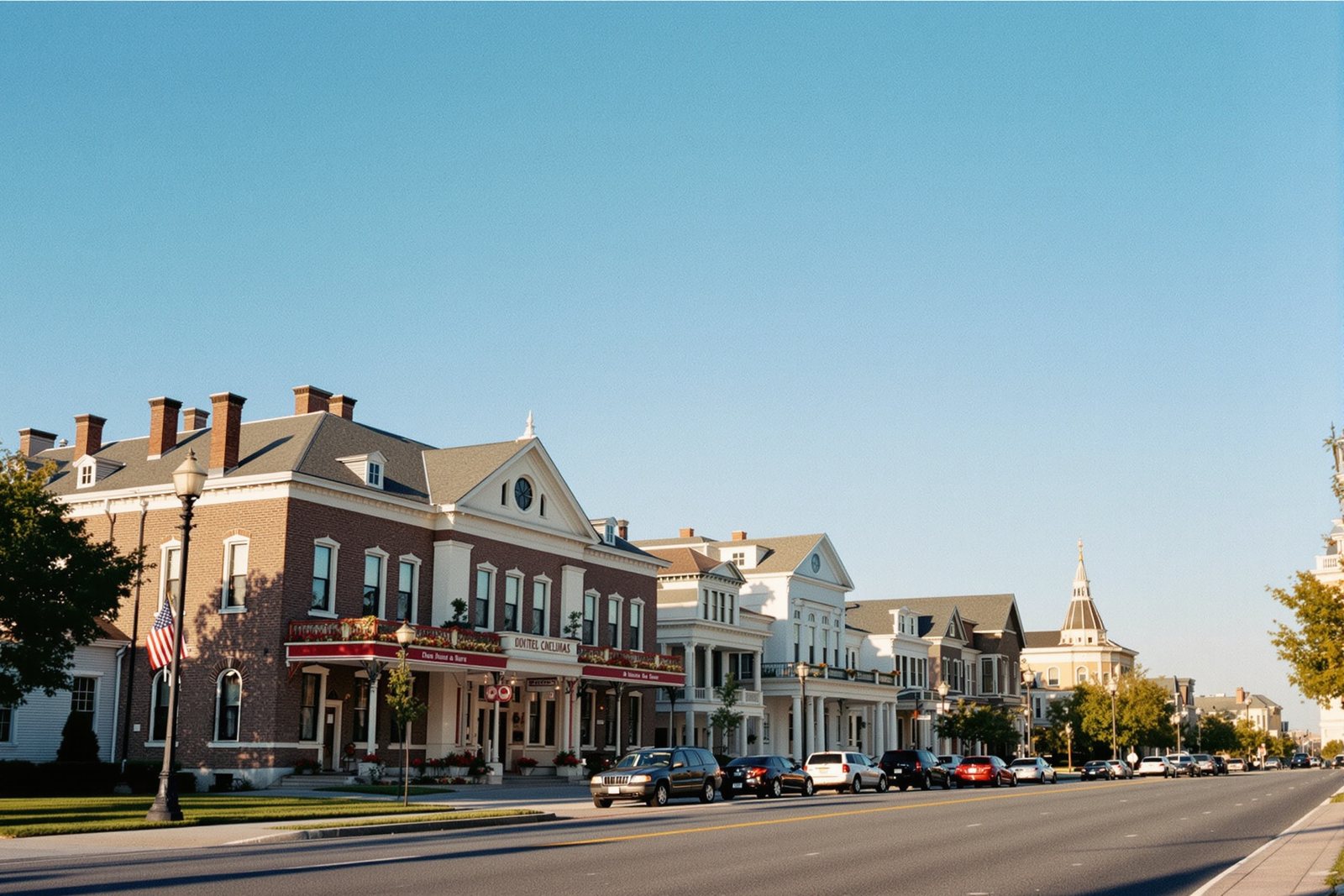
Harvard, MIT, Princeton, Yale, Berkeley and others regularly make the top 20 of international university rankings. US universities command massive research and teaching budgets and produce by far the most Nobel laureates.
This abundance is funded, at least in part, by hefty tuition. At Harvard, tuition alone for the 2026/27 academic year is $59,320; add housing, food and fees and a year comes to around $87,000. Even an unremarkable regional university quickly runs to five-figure tuition.
Who can afford that? The answer may surprise you: thanks to federal student loans, pretty much anyone who gets a place can finance those eye-watering fees.
The result: 7 in 10 US students leave university or college in debt, on average "only" around $43,000. Law or medical students can easily owe $180,000.
1The best students are international
The share of international students at American universities is striking: in many subjects, 70% or more of doctoral and master's students are from abroad. That one statistic says a lot. It confirms that US universities cannot find anywhere near enough domestic students to fill their programs, despite guaranteed student loans.
Largely, this is simply because the American school system below university level is so dreadful that the overwhelming majority of graduates are in no position to master a demanding degree.
2The problem with US high schools
Here too, money is not the issue: according to the OECD, US public spending per secondary school student is around $12,700 a year. Worldwide, only Austria, Switzerland, Luxembourg and Liechtenstein spend more on educating their young.
Yet the results are sobering. In PISA 2022, with 81 countries and economies taking part, German 15-year-olds scored 475 points in math, 480 in reading and 492 in science, each just above the OECD average but the worst ever recorded for Germany. The USA came in above the OECD average in reading and science and below it in math. So both countries slipped, and neither is a role model.
One reason may be that public school in the USA is not primarily seen as a place to teach knowledge, skills and independent thinking. Rather, it is meant to raise good (read: conformist) US citizens who, as adults, slot smoothly into companies, the military and public administration.
So if you are moving to the USA with children, you absolutely need to look closely at schooling. If you plan to send your kids to a public school, you cannot assume schools are equally good (or equally bad) everywhere. The differences from state to state are huge, and you may even have to rethink the location of your entire US plan to make sure your children can attend reasonably decent schools.
3It all comes down to the school district (ISD)
Public schools in the USA are organized into school districts, or "Independent School Districts (ISDs)". Every town, small or large, or every county has its own district, run by a board elected by local residents.
District leadership has enormous influence and decides pretty much everything about how local schools run, from the textbooks used to building new schools and hiring teachers.
All ISDs are subject to ongoing quality reviews by their state, which publishes the ratings. These can help you spot especially good ISDs and choose where to live accordingly.
Visa, bank account, taxes and where to live: your move with Mount Bonnell Advisors.
4Are private schools an alternative?
And if you don't plan to send your kids to public school, there are of course plenty of private schools of every kind (religious, Montessori, Waldorf and so on). Here too (you guessed it) it's mostly about money. Private schools in the USA are often even pricier than the best private schools in the UK, which is saying something.
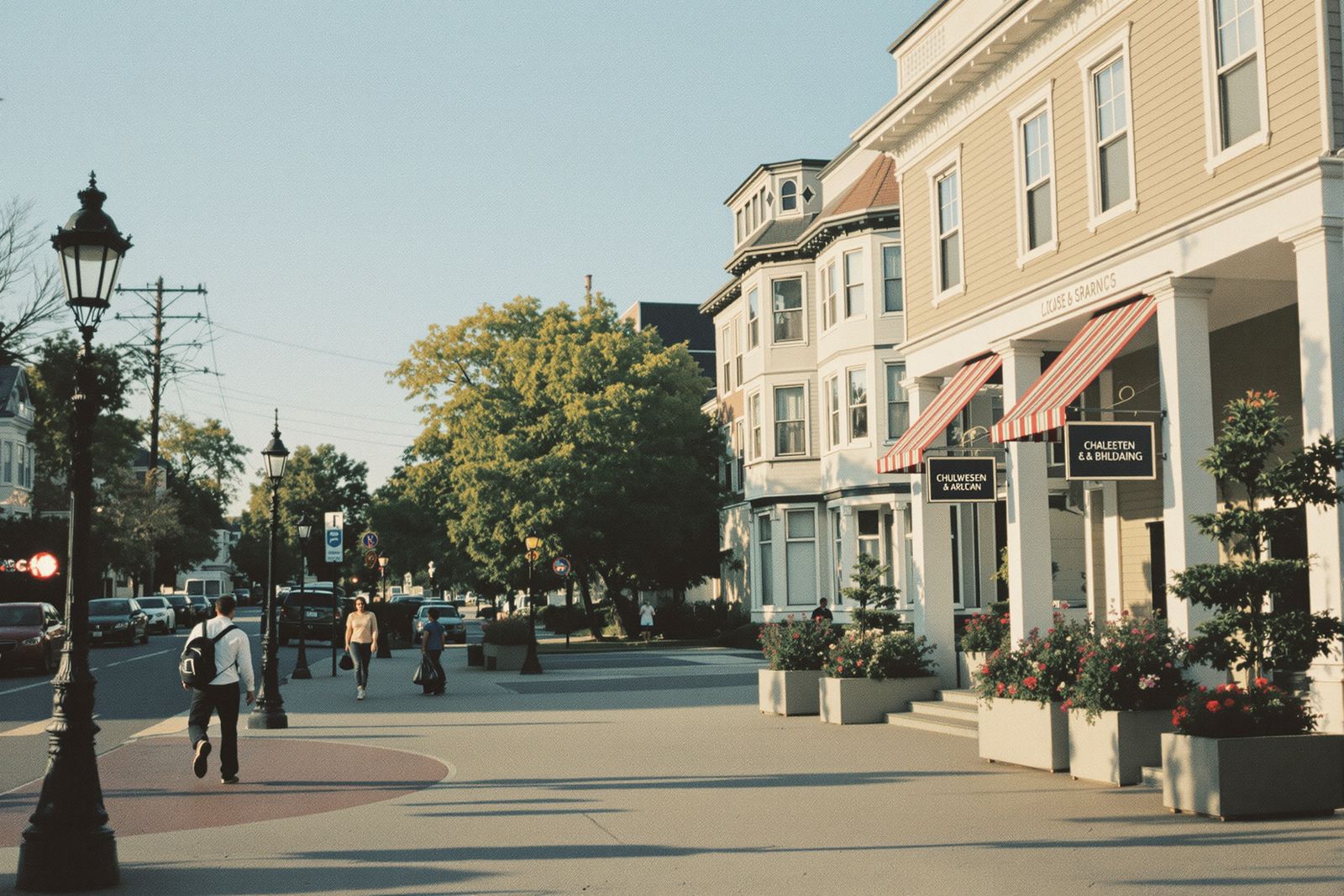
And many private schools are academically not much better than public ones. Your kids simply get the privilege of going to school with the children of higher earners. But what does that really mean? A boor with a big salary is still a boor. So be careful. My experience with private schools in the USA has not been great, and in many cases I don't consider the fees a good investment.
There are, of course, excellent private schools in the USA. And some pretty good public schools too. What you cannot assume is that all schools are roughly equally good, as they are in much of Europe. You need to research schools thoroughly so you don't gamble with your children's future.
5IB and AP make US diplomas easier to get recognized abroad
If you plan to live in the USA only for a while, or want to make a later university degree in Europe easier for your children, look into AP (Advanced Placement) courses and the IB (International Baccalaureate) early on. A "regular" American high school diploma is at best comparable to a mid-level secondary school certificate in Europe and is not enough for university admission anywhere, not even in the USA.

Many US private schools also offer the IB, which under certain conditions opens the door to most European universities. A high school diploma with a few additional AP qualifications can also be enough to study in Europe.
6My experience with the US education system
One real positive in the USA is the very active homeschooling movement. Sure, homeschooling isn't an option for most parents. But if you want to try it, the USA gives you full legal freedom to do so, with excellent support online and in countless homeschooling groups and associations of every stripe.
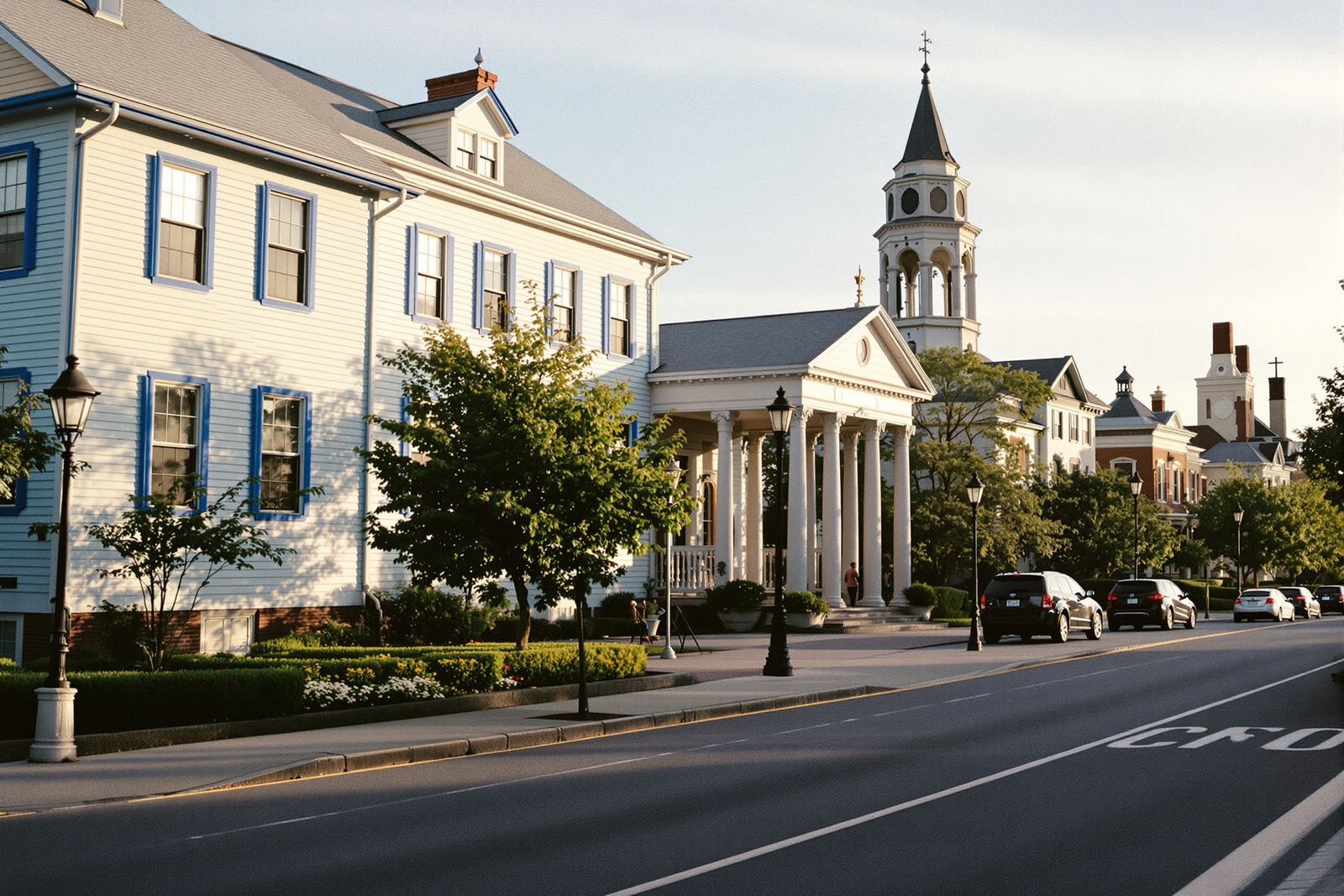
I tried homeschooling myself for a few years, and my children still remember it as a very happy time in their lives.
I came to the view that a good school does so much more than teach material: it builds analytical thinking, character, empathy and the ability to express yourself. A school develops intellect and the ability to argue a case. And at a good school, children form bonds with classmates from good families that they can rely on for life, not least later in their careers.
I did not find that kind of school in the USA, and I couldn't see myself achieving the same as a homeschooler. In the end, that was one reason I moved back to Europe.
Find out more in our homeschooling overview for 12 US states. Every other question about your move to the USA, from health insurance to your visa, is covered in our guide to moving to the USA.
Sources: Harvard University, Tuition and Fees for the 2026/27 academic year; OECD, PISA 2022 (published December 2023). Last checked 31 August 2026.
One hour with the firm: your case, your questions, a clear answer.
- US universities are world class but expensive: Harvard tuition alone for 2026/27 is $59,320, or around $87,000 with housing, food and fees.
- Public spending per student is high. In PISA 2022, the USA scored above the OECD average in reading and science and below it in math.
- Public schools belong to school districts (ISDs) whose quality varies widely. Where you live decides your school.
- Private schools are expensive and not automatically better.
- IB and AP courses make it easier to study in Europe later.