School vouchers in Texas: the end of the small-town school?
Texas is betting on school vouchers, but rural schools are paying the price. A look at Europe reveals some striking parallels.

Texas has been fighting over the future of its public school system for years. With the introduction of school vouchers, which let parents spend tax money on private schools or homeschooling, rural Texas in particular now faces upheaval. Texas Monthly paints a vivid picture of how hard small-town schools in West Texas struggle with tight budgets, and how the new reform could become an existential threat.
For European readers, this is more than a glance across the Atlantic. Europe has its own debates about fairness in education, the role of private schools and how public money should be shared out. That makes Texas a textbook case of both the risks and the opportunities of a voucher system.
The school as the heart of the community
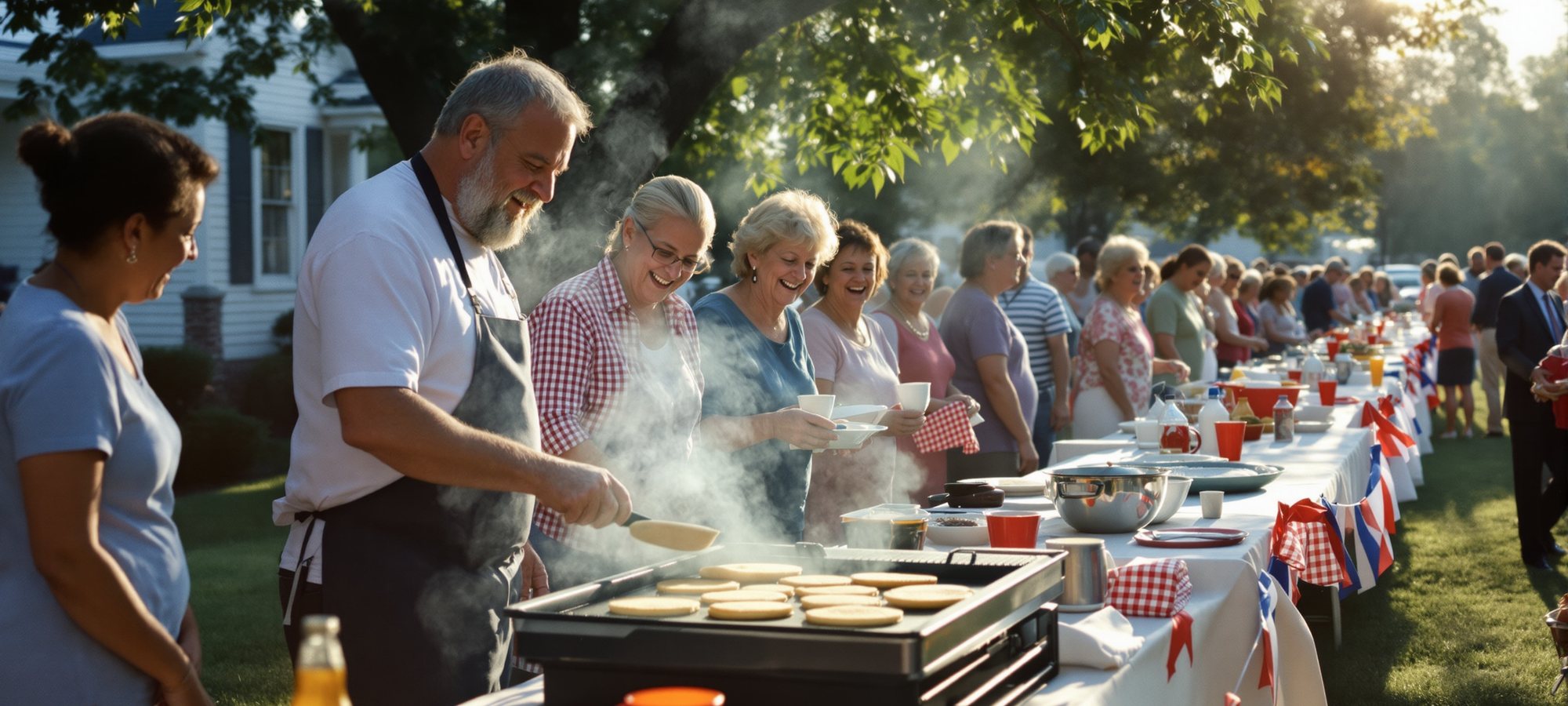
In places like Marathon or Marfa, tiny communities in West Texas, the school is not just a place of learning but the social center of town. It hosts sports events, community dinners, dances and award ceremonies. Teachers are not only educators but also coaches, bus drivers and often part of the biggest employer in town.
Texas Monthly vividly describes how closely the identity of rural communities is tied to "their" schools. The school mascot is painted on the water tower, and whole towns turn out for an away volleyball game.
The financial squeeze
Even before vouchers arrived, many Texas schools were badly underfunded. Examples from the article:
-
Teachers have to teach two classes at once.
-
Online courses replace regular lessons.
-
Marfa ISD has lost almost half its students since 2019.
-
Schools run deficits in the millions, even with low salaries.
The new legislation: billions for public schools and for private schools
In 2025, Texas lawmakers passed two major bills:
-
House Bill 2: $8.5 billion invested in public schools, including pay raises for experienced teachers.
-
Senate Bill 2: the introduction of Education Savings Accounts (ESAs). Parents receive up to $10,000 per child per year to spend on private school or homeschooling.
Critics warn that public schools will bleed out over time. When better-off parents send their children to private schools, rural schools lose per-student state funding while their fixed costs stay the same.
-
Switzerland is seeing a boom in high-end private schools (in Geneva or Zurich, for example), often for expat children. But the public school system is so strong that there is no mass exodus.
Winners and losers
Potential winners
-
Private schools and homeschool providers, who gain a new source of funding through the vouchers.
-
Families with special needs (for example, children with autism) who are better served in small microschools.
Potential losers
-
Rural public schools, which urgently need the funding for every single student.
-
Teachers who are already stretched thin.
-
Communities whose heart is at risk.
-
Switzerland has no open voucher policy, yet society is splitting there too: expat and elite schools on one side, village schools on the other.
Capitalism vs. the common good
A Republican lawmaker from Texas is quoted in the article: "When we inject capitalism into something, productivity goes up and costs go down."
It is a classic market argument: competition is supposed to raise quality. But in education, reality often looks different:
-
Research shows that students in voucher programs often perform worse.
-
Private schools can turn students away based on criteria such as religion, gender or parental status.
-
Education becomes a market product rather than a civil right.
-
Across much of Europe, education is guaranteed as a fundamental right. Even in Switzerland, where competition is a more popular idea, there is consensus: schooling must not depend on income.
-
Skepticism toward turning the school system into a market is strong.
The historical dimension
One striking point in the article: right after the landmark Brown v. Board of Education ruling (1954), which ended racial segregation in schools, the first voucher programs were proposed as a way for white parents to keep their children out of integrated schools.
Many critics see today's programs as a return to social division. Minorities and low-income families in rural areas could be hit hardest.
Long-term risks
-
Financial sustainability: Texas expects the ESAs alone to cost $11 billion over the next five years. But what if the economy weakens?
-
Young families moving away: when rural schools close, towns lose their social center, and with it their appeal.
-
Democratic risk: as education is increasingly privatized, public institutions lose influence and civil rights effectively become a market commodity.
-
Europe is also debating fair access to education in struggling regions. There it is less about privatization and more about questions like:
-
Should every community keep its own school?
-
How do you deal with teacher shortages in the countryside?
-
How do you stop disadvantaged families from being left behind?
-
A warning for Europe too
The Texas Monthly article shows how fragile the balance is between basic public provision and private competition in education.
For us in Europe, Texas is a cautionary tale:
-
A strong public school system cannot be taken for granted.
-
Funding shortfalls can quickly turn into a downward spiral.
-
Once parallel systems are in place (two school systems side by side), they threaten the unity and equality of education.
The central question is: is education a market or a right?
Texas has now leaned, to a degree, toward the first answer. Europe should watch closely so it does not go down the same road.
To learn how schooling works for your children when you move to the US, see our page on schools in the USA. What makes the Lone Star State a great place to call home is covered in our profile of the State of Texas. You'll find more articles under News.
Consultation & implementation
If you'd like to find out what this means for your own situation, the best step is to book a consultation.