

You passed your test at home years ago. In America, they'll ask you again whether you can drive.
Getting a US driver's license: what your license from home is worth
Part of the guide Arriving in the USA: your first 90 days as a checklist
Your license from home lets you drive in the USA for a while. Once you live in a state, it wants to see its own, and whether you have to sit the tests again is up to the state.
In the USA, a driver's license is more than permission to drive. It's the ID everyone wants to see: at the checkout when you buy wine, at the bank, at the doctor's, at the car rental desk. There's no national ID card like at home, and nobody likes carrying a passport around in their pocket. So anyone who lives in America wants a US driver's license fast, and usually has to get one anyway.
This guide shows how long you can drive on your license from home, when you have to switch, which states do it without a test and which documents you need. The focus is on Texas, Florida, California and New York. The ground rule first: in the USA, driver's licenses aren't a federal matter; each state handles them on its own. That explains why the same question gets a different answer in Austin than in Miami. To see how it all fits into your first months, read the checklist for your first 90 days.
1How long your license from home is good for
For visitors, this is rarely a problem. Texas, for example, recognizes foreign licenses under the international conventions for up to one year from entry, for drivers aged 18 to 75 and for private vehicles only.
What counts, though, is not your entry date but your residence. Once you live in a state, its deadline applies, and it's often much shorter than a year. In Texas, the grace period ends the day you become a Texas resident; from then on, you have 90 days.
2When you have to switch
The clock starts when you move in, not when you enter the country, and deadlines vary a lot. Texas gives you 90 days. New York requires a New York license within 30 days of becoming a resident; as long as you're only visiting, you can drive on your foreign license. Florida ties it to specific events: if you take a job there or enroll your kids in a public school, you need a Florida license within 30 days, and the same deadline applies to your spouse and children.
California goes by residency: if you live and drive there, you need a California license. You count as a resident if you intend to live in California for at least six months a year; the DMV lists further indicators, such as enrolling your kids in school or paying in-state tuition. A car you bring with you must be registered in California within 20 days of moving.
Plan backwards from the deadline. You'll need proof of address for the application, and in Texas one of those documents must show you've lived there for at least 30 days. Sign your lease in week ten and you have a problem.
| State | Deadline | Driving on a foreign license before that |
|---|---|---|
| Texas | within 90 days of moving to the state | as a visitor up to one year from entry, ages 18 to 75, or until you become a resident |
| Florida | within 30 days of starting work or enrolling your kids in school; same deadline for spouse and children | until that point |
| California | required for every resident who drives; a resident is anyone intending to live there at least six months a year | until you become a resident |
| New York | within 30 days of moving to the state | allowed as long as you're not a resident |
Sources: Texas Department of Public Safety, Moving to Texas and Driving Privilege Reciprocity; Florida Statutes § 322,031; California DMV, New California Resident; New York DMV, Moving to or from New York State and Drivers from Other Countries. Accessed October 24, 2026.
3Reciprocity: where no test is needed
Some states have agreements with certain countries to convert their licenses without new knowledge and driving tests. Texas is one: the Texas Department of Public Safety lists agreements with France, Germany, South Korea, the United Arab Emirates and Taiwan. Holders of a valid license from one of these countries skip both tests there, unless they want to keep their home license, in which case both tests are required.
Florida, California and New York have no such agreements. Florida waives the tests only for licenses from another state, from Canada or from the US armed forces; anyone arriving with a license from another country gets tested. California and New York also require knowledge and driving tests from foreign license holders.
One hour with the firm: your case, your questions, a clear answer.
4Which documents to bring
The basics are similar in every state: passport, proof of legal presence (visa and I-94, or green card), your Social Security Number, proof of address and your license from home. Texas also asks for proof of insurance for every vehicle you own, or a statement that you don't own one. California takes a thumbprint and gives you a vision test.
Texas is strict about proof of address. You need two printed documents showing your name and your Texas residential address; one must show you've lived in Texas for at least 30 days. Accepted documents include your lease, electricity, water, gas, internet or cell phone bills no older than 180 days, bank statements, car or renter's insurance and pay stubs. Printed electronic bills count. If you don't have two documents, you may be able to sign an affidavit of residency.
One more detail for Texas: a license not issued in English or Spanish must be translated by a translation service or your consulate before you arrive.
5The tests: knowledge, driving and courses
If you're tested, you'll learn American traffic rules, and the details differ from home. The knowledge test covers road signs, right of way and the rules on drinking and driving; Florida even requires at least 25 questions in its question bank to deal with cyclists and pedestrians.
In Texas, you take the Impact Texas Drivers course before the driving test; the certificate can be no more than 90 days old on test day. If you're between 18 and 24 and applying for your first Texas license, you also need a six-hour adult driver education course. From age 25, that's no longer required.
Florida tests your vision, hearing, knowledge and driving skills. Since February 6, 2026, all knowledge and driving tests are held in English only, with no interpreters, including oral exams. If you fail, each retake costs $10 for the knowledge test and $20 for the driving test.
California requires a knowledge test and a driving test; you get three attempts at the knowledge test. For the driving test you need an appointment, proof of insurance and, if you hold a foreign license, a licensed driver to accompany you there and back. Each driving test retake costs $7.
New York requires a knowledge test, a five-hour pre-licensing course and the driving test. If your license isn't in English, bring an International Driving Permit or a translation certified by a consulate, the US Department of State or another government agency to the driving test.
There's often a practical hurdle before the driving test: you need a registered, insured car, and without a state license you can't always register one yourself. How to solve that is covered in our guide Buying, registering and insuring a car.
| Florida | Vision test, hearing test, written and road test | All tests in English only, no interpreters | |
| California | Vision, knowledge and road tests | A licensed driver to accompany you to and from the road test; proof of insurance | |
| New York | Written test, five-hour course before the road test, and road test | International driving permit or certified translation for the road test; your foreign license is surrendered at the test | |
Sources: Texas DPS, Moving to Texas and How to apply for a Texas driver license; Florida Statutes § 322.12 and FLHSMV, press release of 30 January 2026; California DMV, Driver's Licenses; New York DMV, Drivers from Other Countries. Accessed 24 October 2026.
7REAL ID and time-limited licenses
Many states offer two versions of the driver's license: a standard license and a REAL ID. Since 7 May 2025, the TSA has been checking at airports whether your ID meets REAL ID rules. For domestic flights you need either a license marked as REAL ID or your passport, which always works. In California, a REAL ID shows a bear and a star in the top right corner of the card.
If you live in the US on a temporary status, some states issue a license that ends with your status. California says so explicitly: with temporary status, your license expires on the same day as the document proving your stay, and once your status is extended you get a new one. Keep this in mind when you renew your visa: your license will need renewing too.
Without an SSN, the path is harder or different depending on the state. The SSA points out that you don't generally need an SSN for a driver's license, but Texas and California ask for it on the application. What works without a number is covered in US driver's license for non-residents without an SSN, and the number itself in Social Security Number in the USA.
Your own access to the American financial system, even without an SSN.
8What happens to your license from home
When you convert, you usually hand in your license from home, and states handle it differently. In New York, you give your foreign license to the examiner after passing the road test. If you want it back, ask the DMV before the test whether and how it is kept.
In everyday US life, one thing counts first: with a state driver's license you carry your American ID in your pocket, and the road to a car, insurance and a credit history is open. What comes after the license is in the checklist for your first 90 days.
- You can drive in the US on your license from home until you become a resident of a state; then that state's deadline applies: 90 days in Texas, 30 days in New York and Florida.
- Florida, California and New York test everyone with a foreign license; Florida in English only, New York with a five-hour course.
- To convert, you need your passport, proof of immigration status, an SSN, two proofs of address and, depending on the state, records from your home country.
How we help you
- ConsultationOne hour with the firm: your case, your questions, a clear answer.
- US Bank Account OpeningYour own access to the American financial system, even without an SSN.
- Credit BuilderCredit for your company and for you, built step by step.
- Visa RoadmapIn writing: which visa fits you and your family, prepared with the immigration attorney on the firm's team.
More practical guides: settling in the USA
All articles → US Driver's License for Non-Residents Without an SSN Read more →
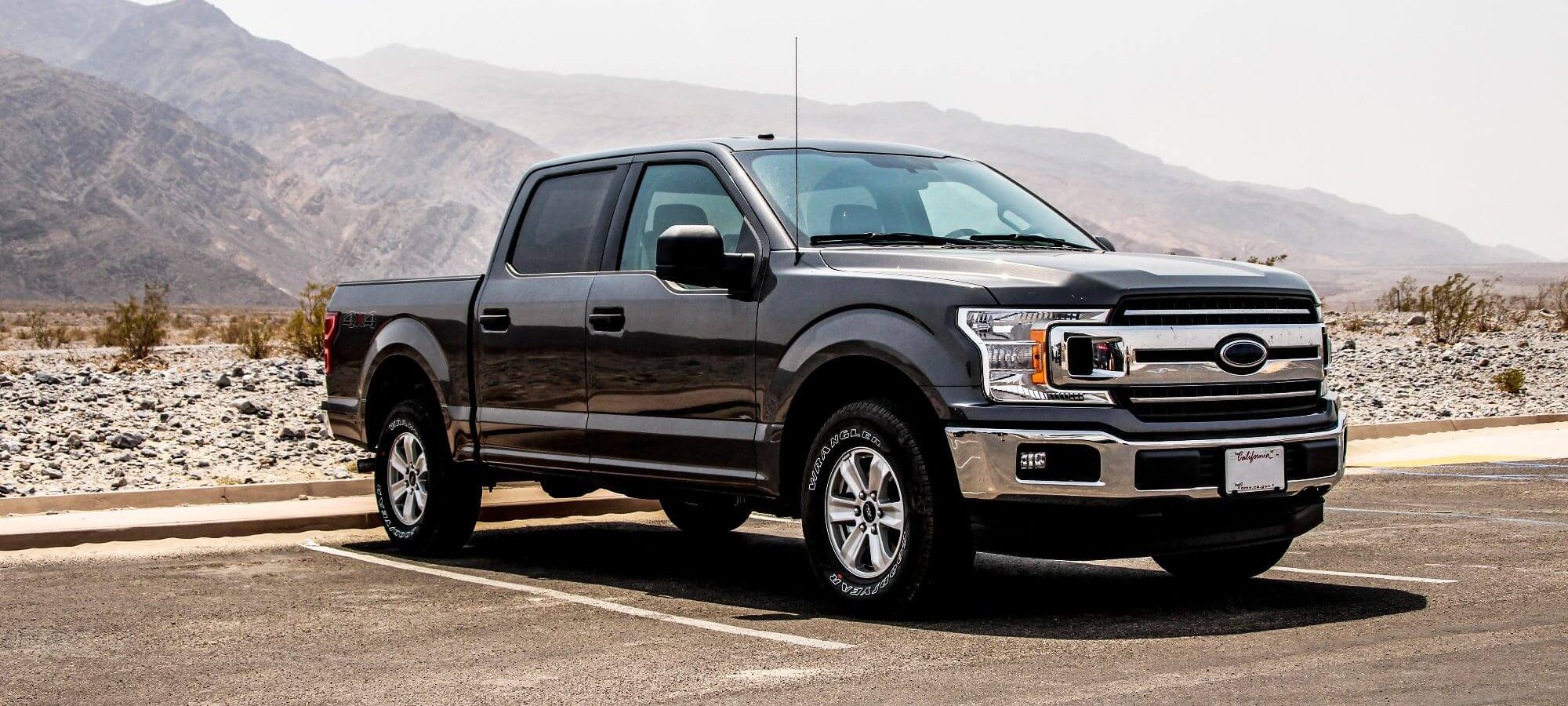 Getting Around: Your Pickup Truck Is Waiting Read more →
 Buying a Car in the USA as a European: Title, Registration, Insurance Read more →
 Arriving in the USA: your first 90 days as a checklist Read more →
 Where in America is life best? Read more →
 Financial planning: credit score & credit history Read more →