
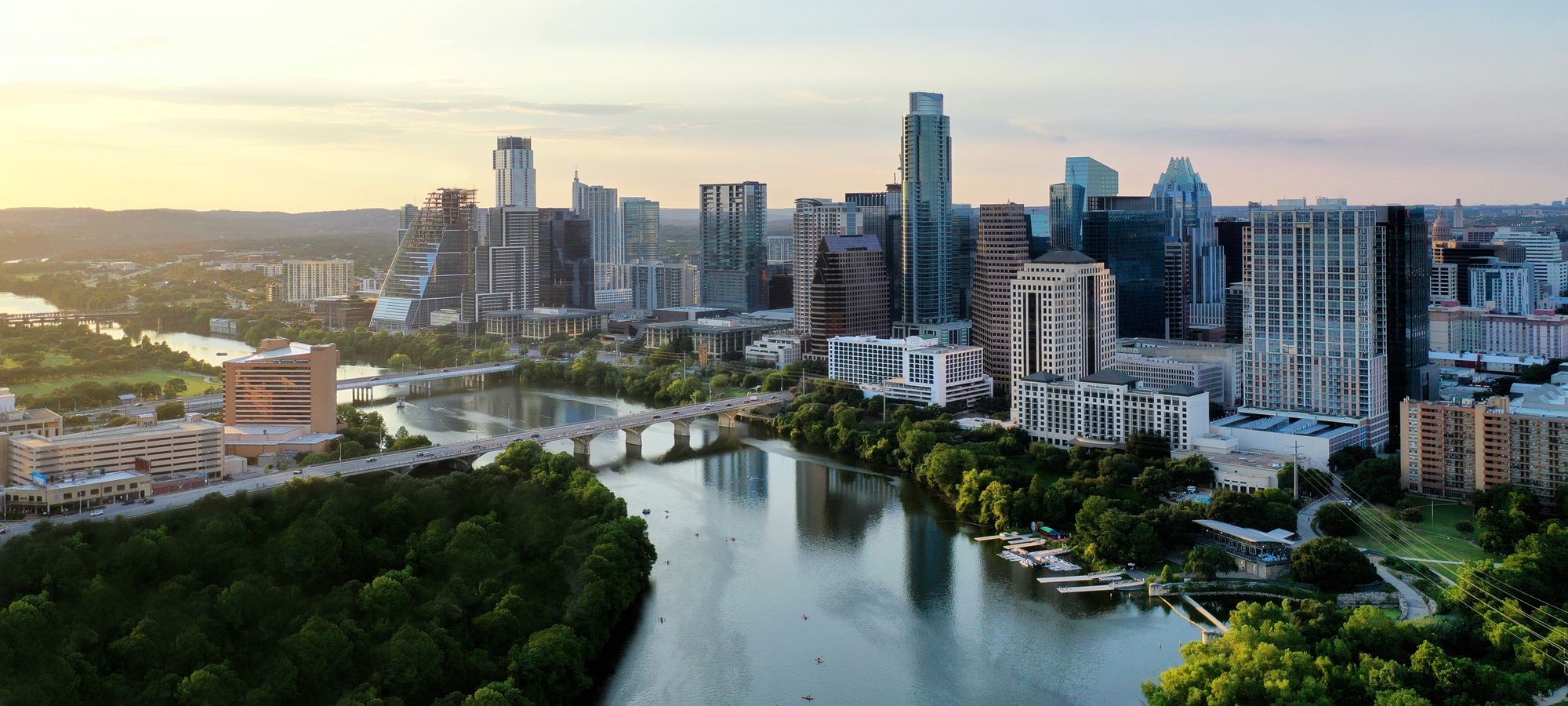
Mount Bonnell Advisors is based in Austin, so we're biased. That's why we ran the numbers, and they back the city up.
Is Austin the best city in the US?
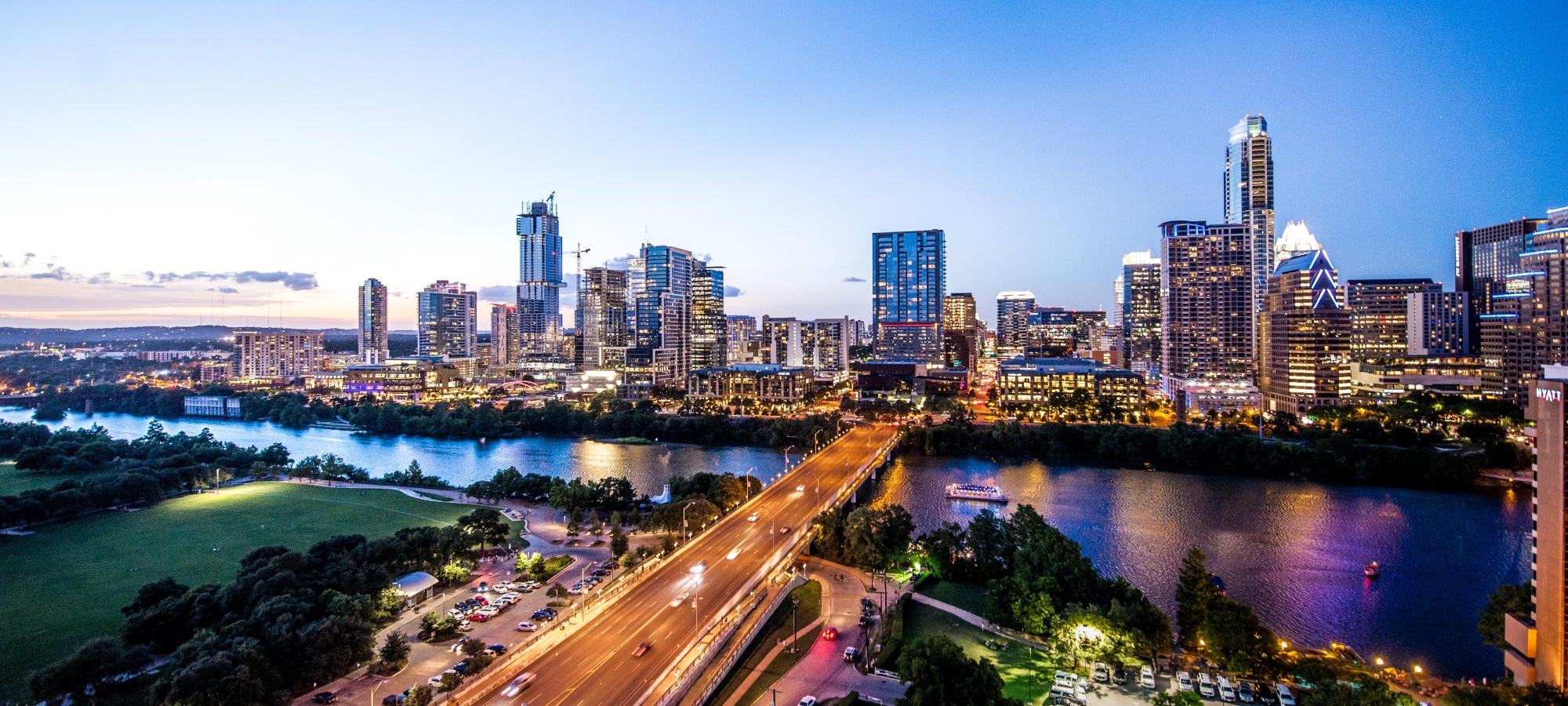
Austin stands out in the rankings, the hard data and what founders, economists and hoteliers say, but the hype has limits in specific areas.
1Jobs, quality of life and top rankings
Austin has been landing on best-of lists for years. In the Milken Institute's Best-Performing Cities Index 2026, the region placed 9th out of 206 large metro areas, up from 6th the year before. It is no longer the fastest-growing large metro, though. Between July 2024 and July 2025, the area grew 2.1 percent to 2,620,945 residents (U.S. Census Bureau). That's roughly four times the national average, yet only 15th among US metros. Austin also scores well on job prospects and quality of life, not just cost of living, and it ranks 4th among leading US metros for starting a business. The city was also named one of the 15 best US cities to visit. Texas helps: it ranked first among the top states for women entrepreneurs and is one of the 10 most popular US states for foreign direct investment.
2Austin, the tech hub of Texas
Austin is one of the world's major breeding grounds for technology, startups and innovation. All those tech companies earned it the nickname Silicon Hills. Apple built a new $1 billion campus here with room for 15,000 employees, which makes it one of the city's largest private employers. New jobs at Facebook turned its Austin office into the company's third-largest US hub outside its Silicon Valley headquarters. Google and Oracle have also expanded in Austin in recent years.
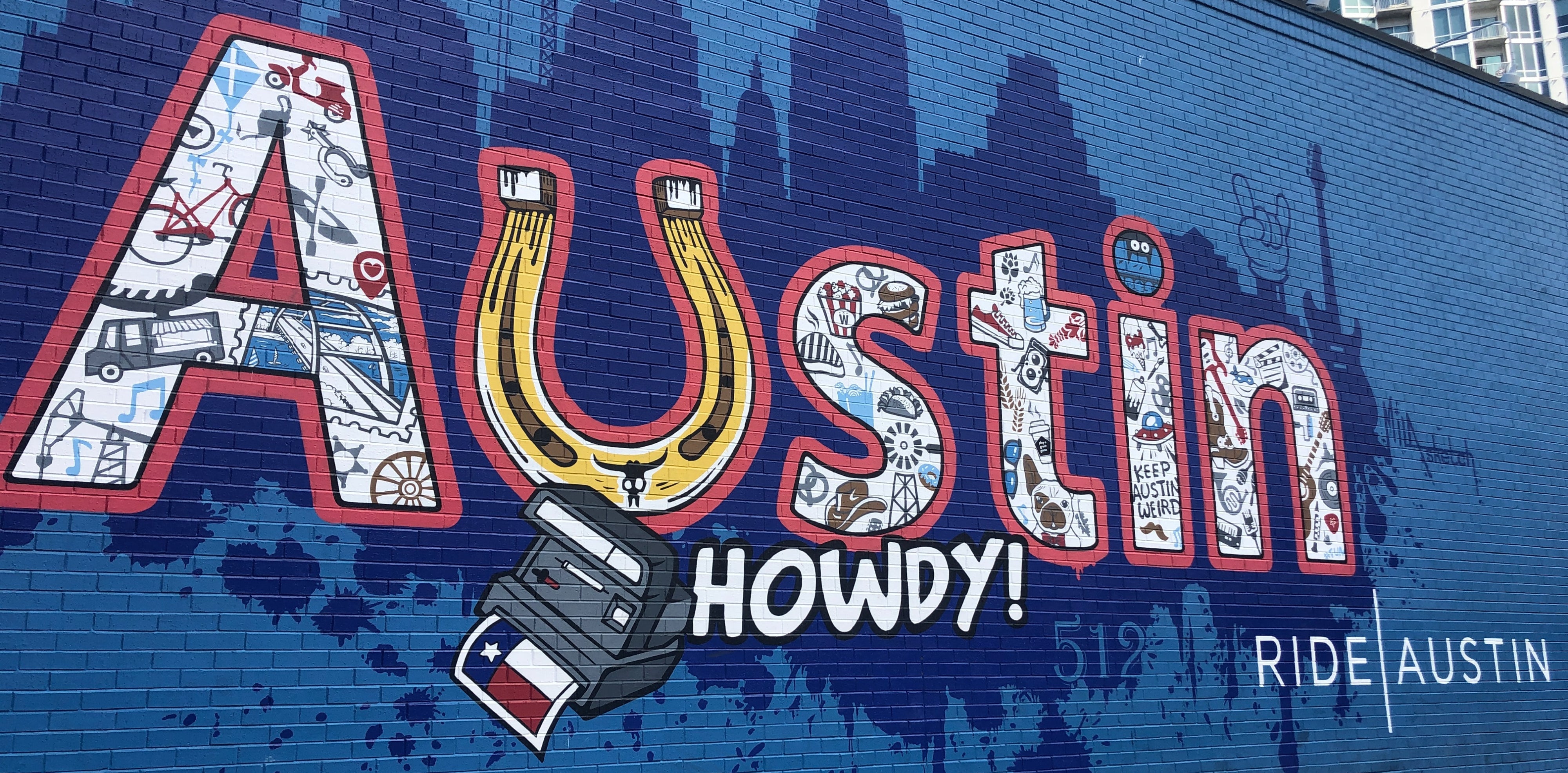
Why do they all pick Austin? Texas Governor Greg Abbott boils it down to "Everything is bigger in Texas." The city has long been the state's tech hub, with about 6,500 startups and tech companies. One of them is Dell, which Michael Dell founded in 1984 while studying at the University of Texas, and which fueled the city's tech boom. Every year, South by Southwest (SXSW) adds to the draw. It began as an indie music event and became one of the world's trendiest tech festivals, attracting investors and entrepreneurs alike.
3A large community of entrepreneurs
Austin is among the country's most important cities for entrepreneurship and a recognized startup hub. "Austin attracts about a billion dollars a year in venture capital and another billion in corporate investment," says Angelos G. Angelou, the former vice president for economic development and chief economist at the Austin Chamber of Commerce. He is now CEO of AngelouEconomics, a technology consultancy that advises cities seeking investment and companies searching for new locations.
Laura Lorek, publisher and co-founder of Silicon Hills News, covers regional tech. When she launched the site in 2011, she wrote about nearly every startup in town. "The growth of startups and startup culture is incredible," she says. "There are so many now that I don't even know them all."
William Hurley, known as "Whurley," is a well-known Austin entrepreneur who is now launching his third startup, Strangeworks, which applies quantum physics to computing. He sold his previous company, the retirement platform Honest Dollar, to Goldman Sachs in 2016, and before that sold the creative studio Chaotic Moon to Accenture. Hurley has lived in Austin for almost 25 years. "Austin is a great city for entrepreneurs," he says. "There are plenty of founders and a startup community that backs you when you're just starting out."
LLC, Inc or LP in Delaware, Florida, California, New York, Texas or Wyoming.
4Culture, costs and talent
Lorek points to another draw: "Austin is a special place with an appealing culture. There are great parks, rivers, hiking and bike trails, a lively downtown and nightlife scene, good food, fantastic live music and a collaborative tech culture that is warm and welcomes newcomers with open arms."

The city also has a well-educated workforce, thanks in part to the University of Texas and other local schools. "With a number of great universities, we have an incredible talent pool, and many graduates look for work here after they finish," says Angelou.
A relatively low cost of living adds to the appeal. Texas has no state income tax, and housing costs far less than on either coast. The housing market is the most reliable benchmark: in July 2026, the typical Austin home value was $424,300, 5.2 percent below a year earlier (Zillow Home Value Index), while the US average edged up to $371,800. Austin has become noticeably more affordable after the steep run-up following 2020. Unemployment stood at 4.1 percent in June 2026 (Bureau of Labor Statistics). For comparisons with Europe and other US regions, see our cost of living comparison and the article Where in America is the best place to live?
According to Hurley, housing in California can cost thousands of dollars more per month than a comparable place in Austin. Moving gives employees an effective pay raise without any change in income.
5A great city to start a business
Ben Rubenstein is another successful Austin founder. While still a student, he co-founded the online marketing company Yodle, which sold to Web.com in 2016 for $342 million. He lived in New York City until around 2011, when Yodle acquired Profit Fuel, an Austin-based SEO company. After commuting back and forth for a while, he decided to move. "I fell in love with the city, and I saw its huge potential for building a company," Rubenstein says. "When I founded Opcity in 2015, I knew there was no better place to start a tech company."
After selling the real estate tech platform Opcity to News Corp. for $210 million, Rubenstein stayed on as CEO and plans to stay in Austin. "It's a cool, urban environment. I also like the active community and the better weather," he says. "A lot of smart people are moving here."
Bumble is another Austin-based tech brand that made it big. The dating app passed 55 million users in just four years. "Austin is where it all began for us. Having such a supportive community around us while the brand grew means a lot," says Alexandra Williamson, Chief Brand Officer at Bumble. "It's been exciting to watch Austin's tech industry grow and thrive. I think we'll see even more opportunities for tech workers in and around Austin, from more entry-level roles for recent graduates to more senior leadership positions."
6Popular with residents and visitors
Experts expect this expansion to have a massive impact on the growing metro area, which already has more than 2.6 million residents. "When I moved to Austin in 1984, the city had only about 560,000 people," Angelou recalls. "By 2040, we're expected to top 4 million."
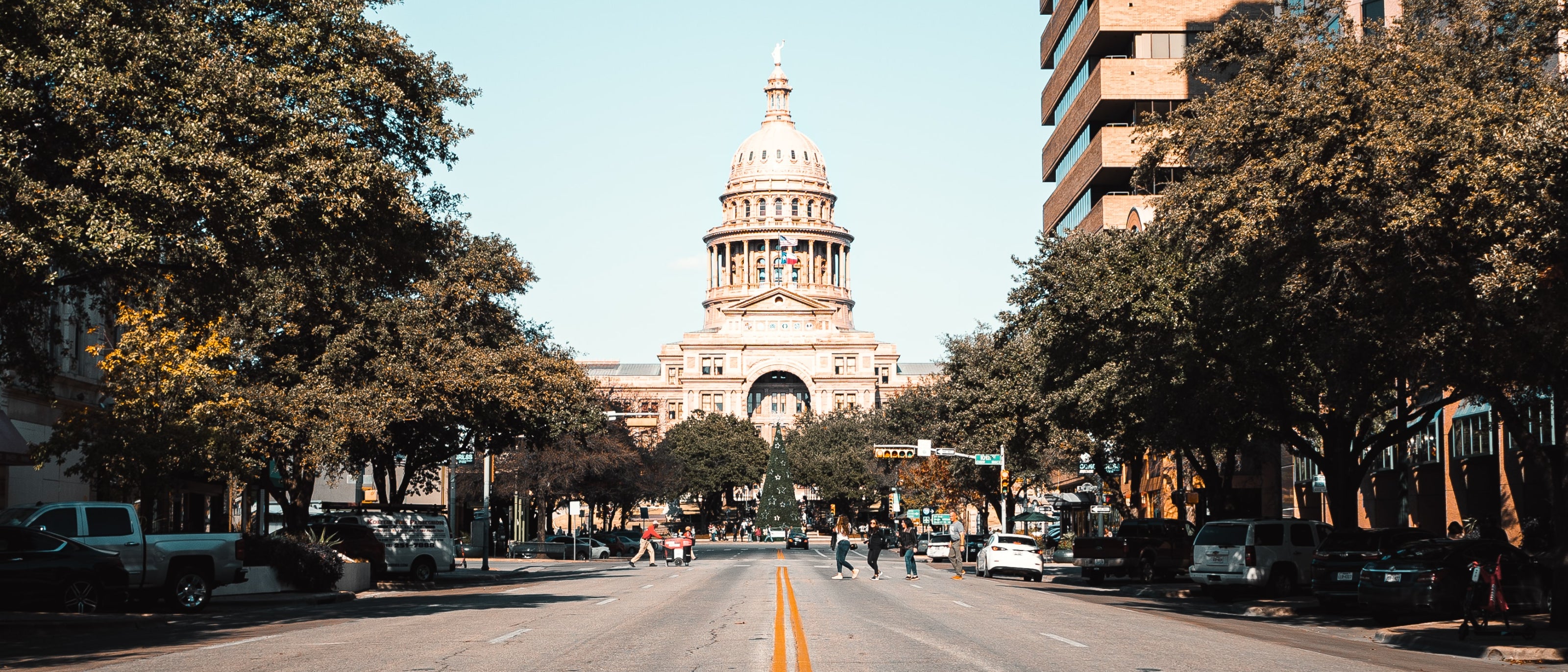
"Job growth always goes hand in hand with home sales," Re/Max Austin Skyline realtor Hope Teel told a local TV station. "We should expect prices to rise. We'll also hopefully see a lot more new development, with new buildings and renovations in some existing neighborhoods to add density."
Hospitality executives expect growth to give tourism a boost. "Every time a major company opens a new office in Austin or expands an existing one, we see an uptick in business travel," says Rich McGonnigal, Director of Sales and Marketing at the Four Seasons Hotel Austin. The hotel sits on the shore of Lady Bird Lake and reflects the new Austin with experiences you won't find elsewhere: a summer "Champong" service (champagne and ping-pong), ceviche classes and a margarita cart that comes to your room to mix drinks on the spot.
Joe Pagone, General Manager of the music-focused boutique Hotel Van Zandt, says rising occupancy at his property mirrors the Austin boom. "People are more interested in Austin than ever, and new companies help put the city on the map," he says. "People see it's a great place to live and to visit. That drives occupancy, revenue and travel in the market."
Other hotels are responding to the strong demand, including the new East Austin Hotel, a modernist property that partners with local craftspeople and makers.
7The challenges of growth
Not everyone is happy about it. "Austin has a love-hate relationship with growth and change," says Lorek of Silicon Hills News. "Everyone loves the Austin they moved to or grew up in. The city has changed dramatically over the past decade, and rising real estate prices downtown have pushed many longtime businesses out."
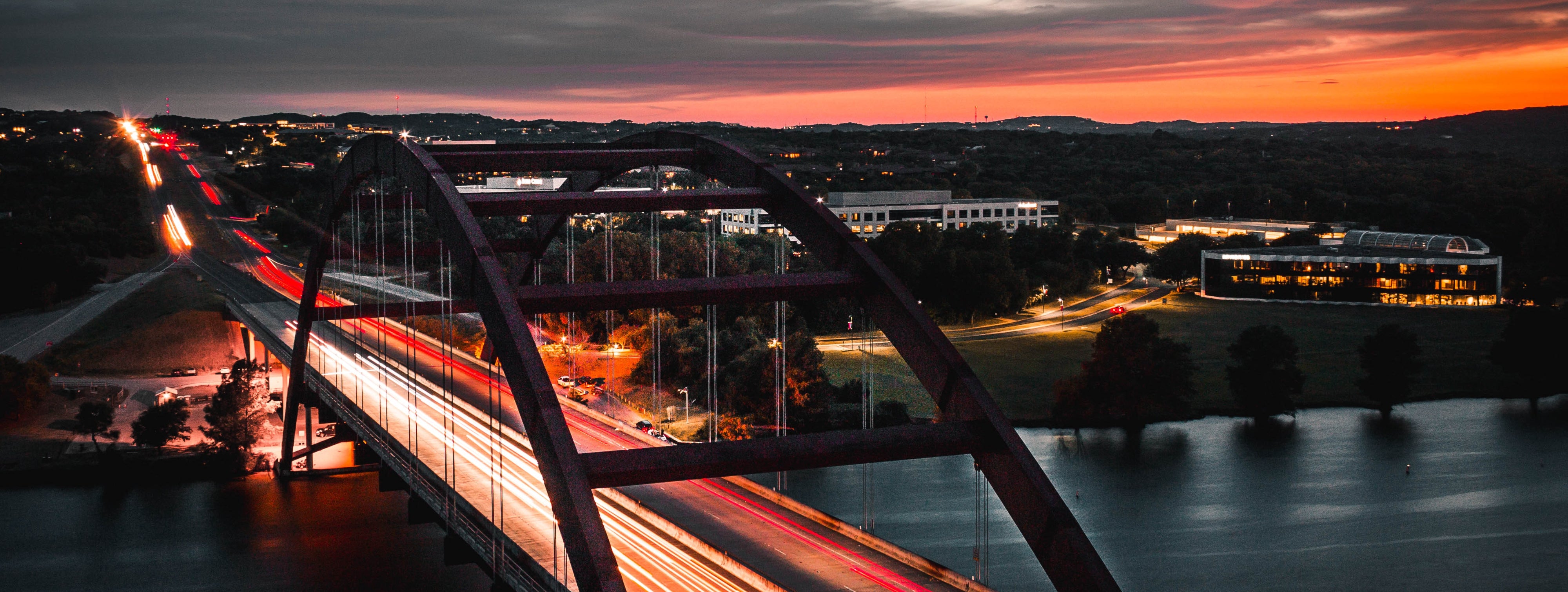
Rubenstein of Opcity also named traffic as a problem, and Austin remains one of the most congested major cities in the country. "Austin doesn't have good public transit. The roads simply weren't built for this many people," he said. The Interstate 35 expansion through downtown has been underway for years and will take years more.
Lorek says the influx of new residents leaves the City of Austin struggling with affordability and traffic. "The creative community of writers, musicians, artists and all the quirky things that made Austin great has to be preserved. They're part of the city, and they matter if Austin is to stay a sought-after place to live," she says.
Still, the outlook is bright. "There's a kind of viral marketing happening in Austin. People are excited about the quality of life and what the city offers," says Angelou.
Growth shows up in the housing numbers. The typical home value in the metro area was $424,300 in July 2026, 5.2 percent below the previous year (Zillow), the sharpest drop among the regions we reviewed in the Milken Index 2026. For newcomers, that's the friendlier side of the cycle. If you want the same momentum at a much lower entry price, look at the ten best small cities in the USA.
8Austin, the place to be
Austin has gone from insider tip to the place to be for business, especially tech. Quality of life and costs show this is no passing trend, and the hype around the Texas capital is earned. To make the case for the whole state, start with our Texas overview, then read what makes Texas so attractive as a US location and the Lone Star State: between cash and cowboys. If you're planning a move to Austin, start with our guide to moving to the USA, and see US company formation for setting up your business.
Data sources: Milken Institute, Best-Performing Cities 2026 (January 27, 2026); U.S. Census Bureau, metro areas as of July 1, 2025; Zillow Home Value Index, July 2026; Bureau of Labor Statistics, June 2026. The founder stories date from 2016 to 2018 and are snapshots of their time. For a current city comparison for newcomers, see our guide “Where in America is the best place to live.”
- Austin ranks 9th out of 206 metro areas in the Milken Institute's Best-Performing Cities Index 2026, and by July 2025 the region had grown to 2,620,945 residents.
- Silicon Hills is home to Dell, Apple, Google, Oracle and about 6,500 startups and tech companies, plus SXSW.
- Founders praise the community, the university talent and the quality of life.
- There is no state income tax, and the typical home value in July 2026 was $424,300, down 5.2 percent from a year earlier.
- The flip side of growth: traffic, weak public transit and rising prices downtown.
How we can help
More on life in America
All articles → The Lone Star State: cash and cowboys Read more →
 Texas: the startup state Read more →
 Where in America is life best? Read more →
 What bugs me about you, dear Americans Read more →
 Safety & crime: can I feel safe in the USA? Read more →
 Vacation & Leisure: Camping, Thanksgiving and No Paid Vacation by Law Read more →