Voter verification in the USA: what naturalized citizens should have ready
An order signed on March 31, 2026 requires proof of citizenship in federal elections. For immigrants, the interesting part is not the election itself but which database ends up giving the answer.
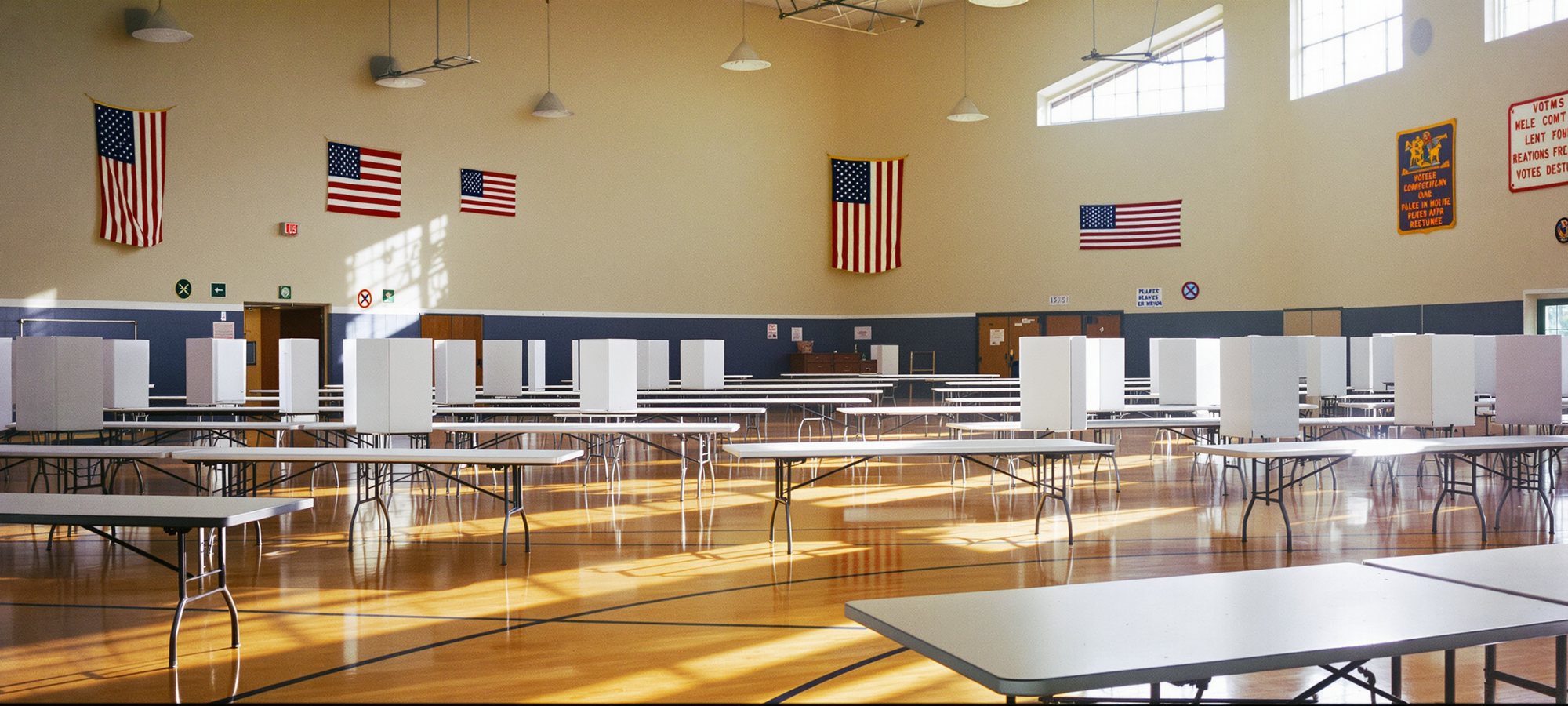
In the United States, only citizens may vote. It is in federal law, it is in the state constitutions, and it has never been in dispute. A foreigner who votes commits a crime and risks deportation, green card or not.
On March 31, 2026, the President signed an order intended to ensure proof of citizenship in federal elections. America has said everything there is to say about the political fight over it. About the part that affects immigrants, almost nothing.
Why this matters to immigrants
Because any system that checks citizenship automatically needs a database. And the databases that can do the job are immigration databases.
The main one is called SAVE, a system run by the immigration authority that lets agencies look up a person's immigration status. It was built for public benefits and is increasingly used for other purposes.
If election officials start checking citizenship systematically, immigration data will be queried routinely in an area that until now had nothing to do with immigration. That is what is really happening.
What it can mean in practice
If you are a European entrepreneur on an E-2 or L-1, nothing changes. You don't vote, you never have, and nobody expects you to.
It gets interesting for two other groups.
Naturalized citizens. If you became a citizen through naturalization, you appear in databases that record it. In practice, these systems regularly throw false alarms because a record is out of date or a name change was never updated. The people affected are those who have every right to vote.
Mixed-status families. An American spouse, a European spouse, children with both passports. In households like these, the question of who may vote has to be answered every time, and the cost of a mistake is zero for one side and existential for the other.
The warning that has to be said
If you are not a US citizen, do not register to vote and do not vote. Not by accident, and not because a form offers it.
That sounds obvious, and it isn't. In many states, voter registration is offered when you apply for a driver's license, sometimes as a pre-checked option. Leave the wrong box ticked and you have registered.
The consequences are disproportionately harsh. A false claim of citizenship to a US agency can permanently bar naturalization and be grounds for deportation, even after decades with a green card. Few mistakes in this area of law weigh so heavily and happen so easily.
If this has happened to you, no matter how long ago, talk to an attorney before you fill out any immigration form. Not after.
What makes this so American
In the United States, elections are not run by the federal government but by the states, and often by the counties. There is no national population register, no duty to register your address and no national ID card.
For Europeans that is hard to imagine. At home, the authorities know who lives where and send you your polling card. In America you register yourself, in the state where you live, under its rules, and when you move you start over.
That is exactly why proving citizenship is a technical problem here and not in Europe. There is simply no register that knows the answer.
The ID card that doesn't exist
For immigrants this has a very practical side effect that causes more trouble in daily life than any voting rights debate: there is no American ID card.
What there is, is the state driver's license, and it is the country's de facto ID. You need it for everything: the bank, the lease, the phone contract, getting into an office building, buying a bottle of wine.
That is why the driver's license belongs in your first week after arrival. It matters more than the furniture store and almost as much as the bank account.
The requirements vary from state to state, but almost always include proof of lawful status, proof of residence and a Social Security number or confirmation that you are not eligible for one. Get the order wrong and you lose weeks.
And the Social Security number
It is the second building block, and Europeans regularly underestimate it. It is not a benefit but an identification number you need for work, taxes, bank accounts and credit.
If you can apply for one, do it right away. If you are not eligible because your status does not include work authorization, you need a taxpayer identification number instead, which has its own process. Start with Applying for a Social Security number.
These two numbers and the driver's license are what carry a new life in America administratively. Everything else builds on them.
What naturalized citizens should have ready
If you have become a US citizen, keep three documents in one place where you can find them within ten minutes.
Your naturalization certificate. It is your proof, and it is one of a kind. A replacement takes months and costs several hundred dollars. It belongs in a safe, not a binder, and copies belong abroad with someone you trust.
Your US passport. In daily life it is the more practical proof, because it is smaller and accepted everywhere. Once naturalized, apply for one, even if you don't plan to travel.
And a Social Security record with the correct status. After naturalization, your Social Security record has to be updated. It does not happen automatically, and an outdated record is the most common cause of false alarms in exactly the systems we are talking about.
What green card holders need to know
Permanent residence gives you almost all the rights of a citizen. Almost. Not the right to vote, not certain public offices, and not the certainty that your status won't end.
If this is you, keep two things in mind. First, carry your card or a copy, because you are required to carry proof of your status. Second, keep your address current with the immigration authority, within a few days of moving. That is a legal duty too, and very few people know it.
Advice that goes beyond this week
One habit helps immigrants in the United States more than any detailed knowledge: keep your records so they would pass any check, before one ever comes.
In practice: every detail you give any US agency matches every other one. Your name is spelled the same everywhere. Your address is current everywhere. Your status is updated everywhere.
It sounds pedantic, and it is the difference between a file that goes through and one that comes back with questions. American systems are not malicious, they are just unforgiving of discrepancies.
Coming from Europe gives you an advantage here: we are used to keeping our papers in order. You just have to do it in a different structure, spread across state and federal agencies instead of one central local office.
What else this election year brings
In November 2026, the entire House of Representatives is up for election, along with a third of the Senate, many governorships and countless state and county offices.
For you as an entrepreneur, one thing matters most: little legislation happens in election years. Major tax or immigration reforms need majorities, and majorities rarely want to pass unpopular things before an election.
What does happen in election years is executive action: orders, regulations, fee adjustments, enforcement priorities. In other words, exactly what we are seeing week after week this year.
For your planning, that means: don't expect new laws before November, but do expect more regulations. And from November on, expect a phase in which bigger changes become possible again, in whichever direction.
And if you wonder whether to speak out politically in a year like this: as a non-citizen you have full freedom of speech, but no right to vote and no entitlement to stay. That combination suggests a certain restraint, not out of cowardice, but out of the same care with which you respect your host's rules in someone else's home.
What to take away from this week
First: in the United States, the right to vote is tied to citizenship, without exception, and acting otherwise is one of the few mistakes with permanent consequences.
Second: every tightening of identity checks makes clean data more important. If you move, marry, change your name or change your status, update it everywhere: with the immigration authority, with Social Security, with the DMV.
Third: this country debates identity, belonging and access with a harshness that unsettles Europeans. If you live here, get used to these debates happening, and don't let them stop you from putting your own life in order.
One last thought
There is a certain irony in the fact that the country that invented immigration like no other has no register that knows its own citizens. You can see that as a failure.
You can also see in it the principle this country was built on: the government knows what you tell it about yourself, and nothing more. If you come from a country where the local authorities know about every move you make, it feels like chaos at first and like freedom later.
If you have just arrived and want to get the basics in order, talk to Mount Bonnell Advisors in Austin, Texas. What needs doing in your first few weeks is covered in How the firm helps with your move and in Your move to the USA.
Consultation & implementation
If you'd like to find out what this means for your own situation, the best step is to book a consultation.