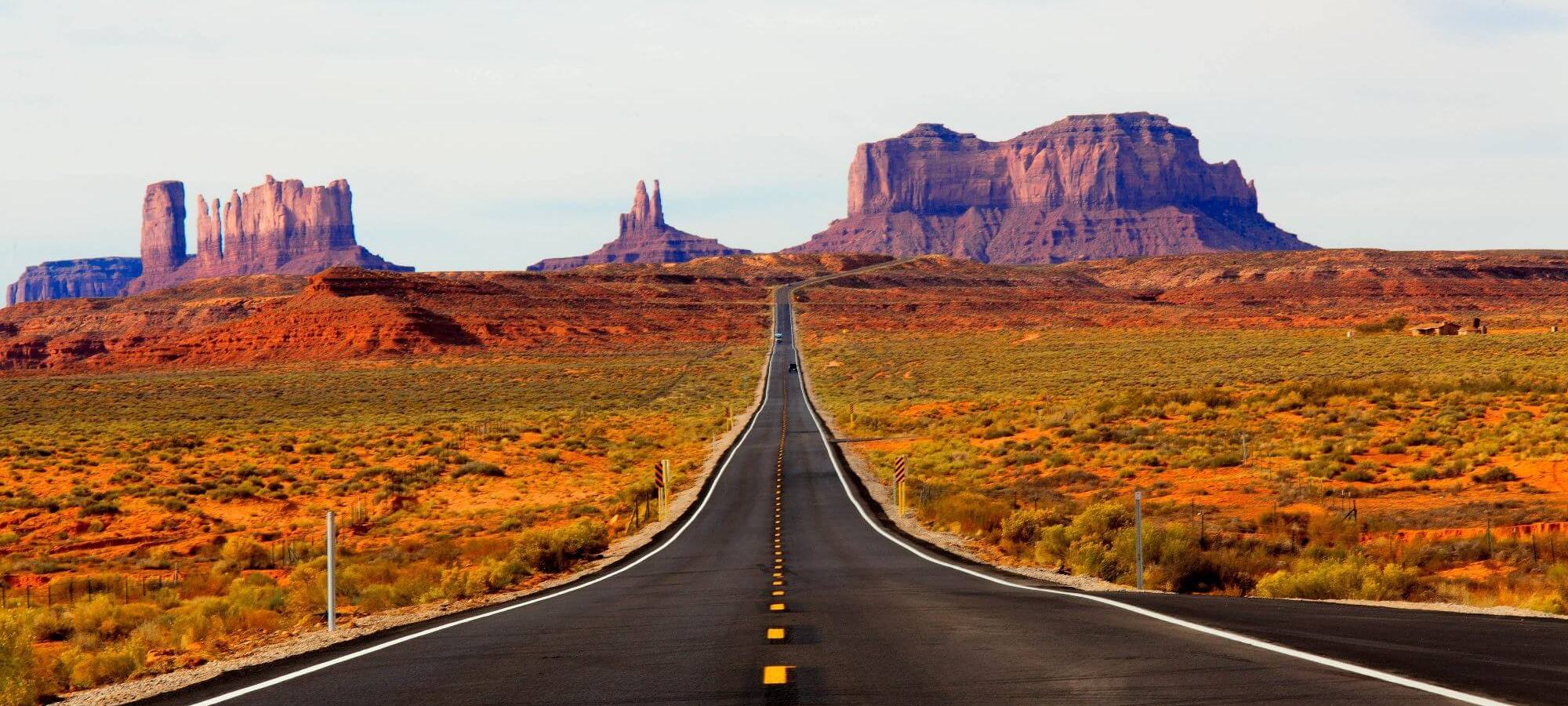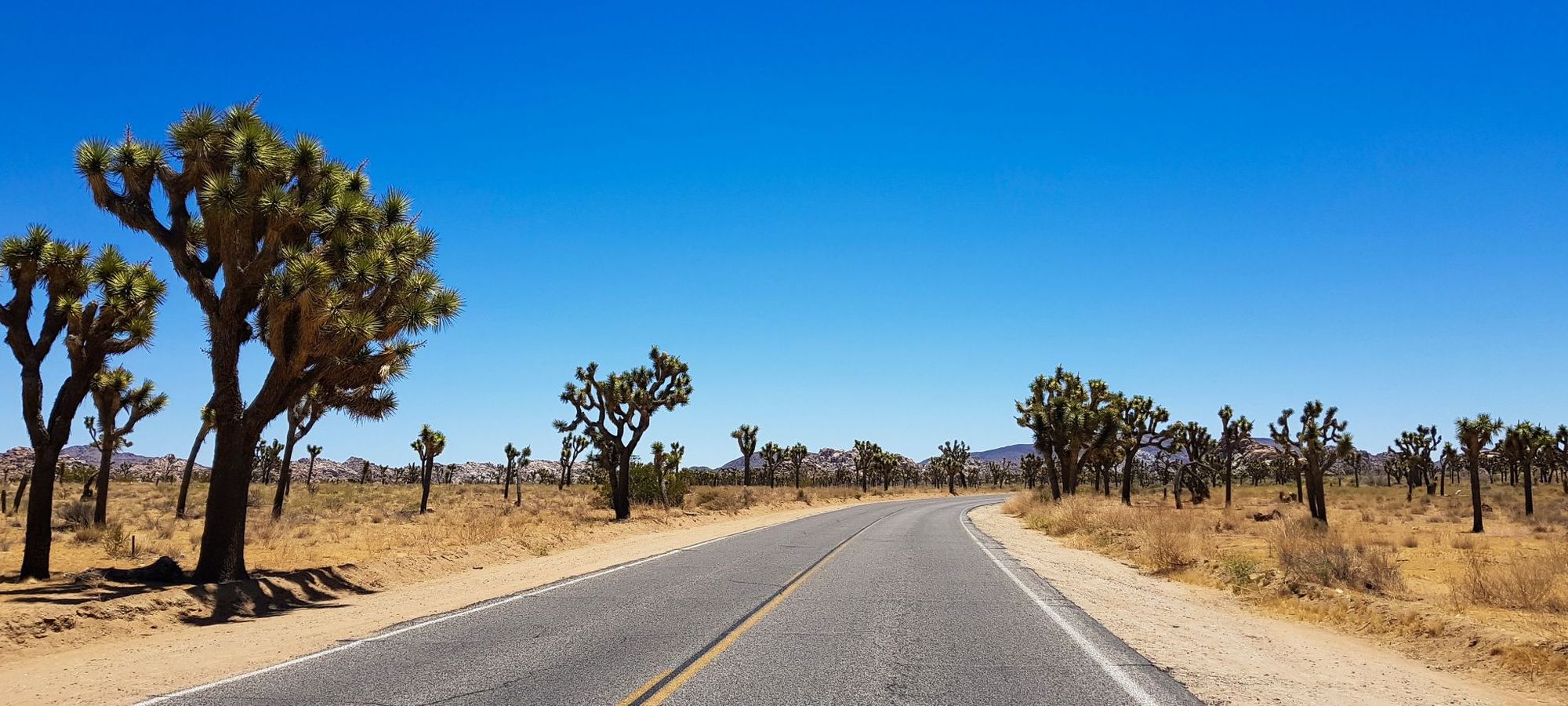
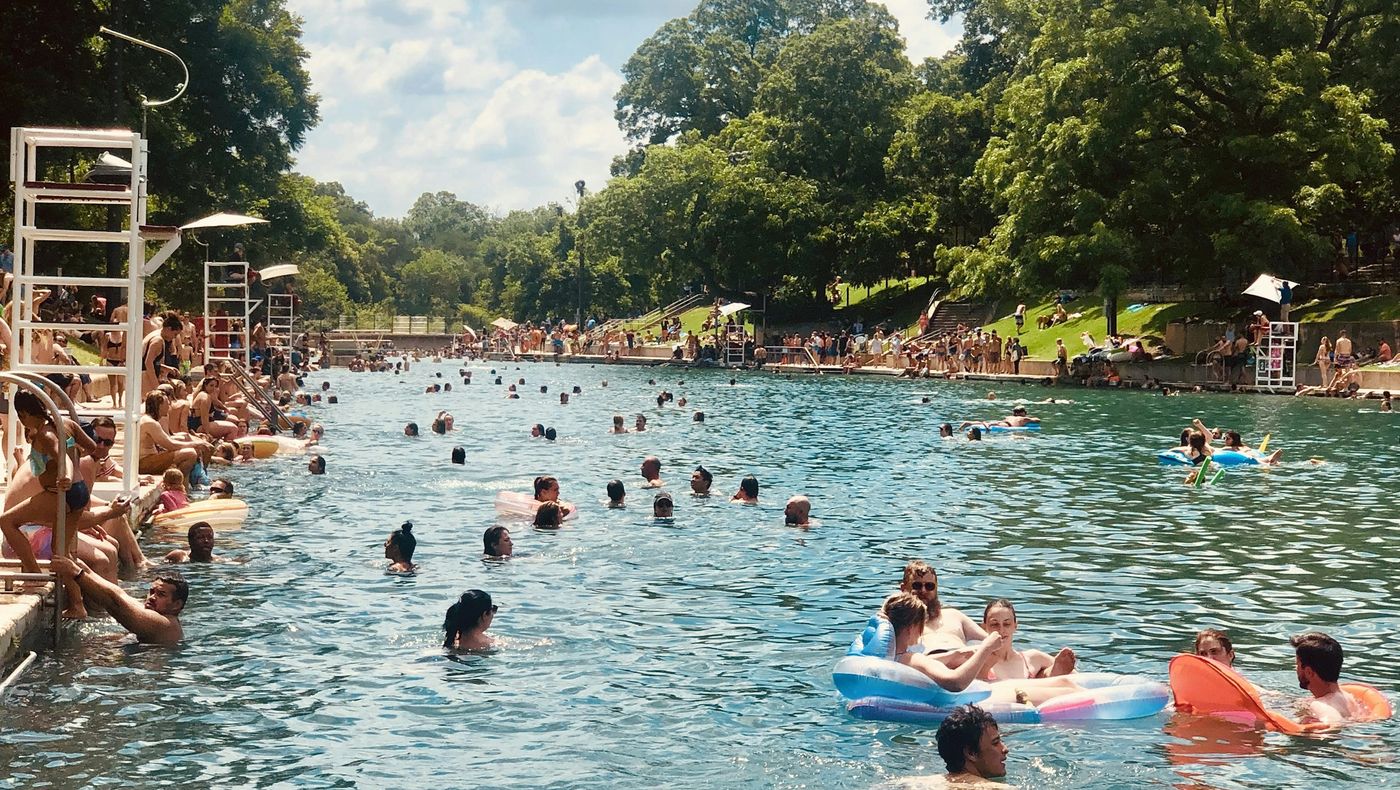
The US is stingy with paid time off. It makes up for it with an enormous amount of room to roam.
Recreation in the USA: National Parks, Sports and Long Weekends for Newcomers
Moving to the US usually means fewer paid days off than you're used to. Your reward? Room to roam: 434 national park sites, college towns where every fall Saturday fills the stadium, and incredible cities just a short flight away. Discover how to make the most of life here: from holidays and park passes to long weekends you'll want to book well ahead.
Paid time off: what the law says and what employers give
Many newcomers are surprised to learn that no federal law requires paid vacation or paid holidays. The U.S. Department of Labor spells it out: the Fair Labor Standards Act doesn't require pay for time not worked, and that includes vacation, sick days and holidays. Those benefits come from your employment agreement or your employer's policy. On top of that, some states and cities have their own paid sick leave laws.
Most private employers still offer paid vacation, and the amount typically grows the longer you stay. These are the averages the Bureau of Labor Statistics reported for private industry workers as of March 2026:
| Length of service | Average paid vacation days |
|---|---|
| After 1 year | 11 |
| After 5 years | 16 |
| After 10 years | 18 |
| After 20 years | 20 |
Then come the public holidays. Federal law (5 U.S.C. 6103) sets eleven legal public holidays: New Year's Day, Martin Luther King Jr. Day, Washington's Birthday, Memorial Day, Juneteenth, Independence Day, Labor Day, Columbus Day, Veterans Day, Thanksgiving Day and Christmas Day. Technically, that list applies to federal employees. Private employers decide for themselves which days they close, and plenty of businesses stay open on Columbus Day and Veterans Day.
Five of those holidays always fall on a Monday, and that's where the three-day weekend comes from. Memorial Day, the last Monday in May, kicks off summer; Labor Day, the first Monday in September, wraps it up. Thanksgiving lands on the fourth Thursday in November, and many people take the Friday off as well. The whole country travels on these weekends, so book flights and campsites early. Our page on vacation days and holidays covers the rules in more detail, and if you run your own company, the time-off policy is yours to set.
National parks by the numbers
The National Park Service manages 434 units spread across more than 85 million acres, according to its own count, last updated in October 2026. Only 64 of them are designated national parks. The others are national monuments, seashores, recreation areas, historic sites, battlefields, trails and more, and the lesser-known ones are often far less crowded and every bit as memorable.
The park system logged 323,014,305 recreation visits in 2025, even with a 43-day partial government shutdown, the longest ever, and 26 parks set new attendance records. These were the ten busiest national parks:
- Great Smoky Mountains (Tennessee and North Carolina): 11,527,939 visits
- Zion (Utah): 4,984,525
- Yellowstone (Wyoming, Montana and Idaho): 4,762,988
- Grand Canyon (Arizona): 4,430,653
- Yosemite (California): 4,278,413
- Rocky Mountain (Colorado): 4,171,431
- Acadia (Maine): 4,079,318
- Grand Teton (Wyoming): 3,800,648
- Olympic (Washington): 3,584,187
- Glacier (Montana): 3,136,557
The takeaway is simple. The big names get packed in summer, some require timed-entry reservations, and their campgrounds book up months in advance. Go in spring or fall, on a weekday, or to a park that isn't on this list, and you'll have a very different trip. Our advice to new arrivals: see one of the famous parks in your first year, then branch out to the hundreds of sites most visitors never get to.
New park fees for 2026: residents and visitors pay different prices
As of January 1, 2026, the National Park Service charges visitors who don't live in the US more than it charges residents. Once you're a resident, you pay the lower rate. Friends and family flying in from overseas pay the higher one, unless they ride along in your car on your annual pass.
| US residents | Nonresidents | |
|---|---|---|
| America the Beautiful annual pass | $80 | $250 |
| Surcharge at 11 popular parks | None | $100 per person age 16 and older, plus the regular entrance fee |
| Fee-free days | Free admission | Regular entrance fee plus the nonresident fee |
The $100 surcharge applies at Acadia, Bryce Canyon, Everglades, Glacier, Grand Canyon, Grand Teton, Rocky Mountain, Sequoia and Kings Canyon, Yellowstone, Yosemite and Zion. The $250 nonresident pass covers entrance and nonresident fees for one private vehicle, two motorcycles, or the passholder and three more adults at sites that charge per person. Any annual pass bought before 2026 is still honored on its original terms for 12 months from the date of purchase.
To buy the resident pass, you need proof of US citizenship or residency. The NPS accepts a US passport, a driver's license or state ID issued by a US state or territory, or a green card. It says nothing specific about visa holders, so if you're here on an E-2 or L-1, carry your state driver's license. Digital passes are checked against a photo ID at the gate. Getting that license is one of the first errands after you arrive; our guide to converting a foreign driver's license walks you through it.
Good news for anyone hosting relatives: according to the NPS, every valid America the Beautiful pass covers entrance and nonresident fees for everyone in the passholder's private vehicle, whatever year the pass was issued. So if your parents tour the parks in your car with your $80 resident pass, they don't pay the $100 surcharge. At sites that charge per person, the pass covers you and three other adults.
Texas in your own backyard
The National Park Service counts 14 of its units in Texas, and two of them are full national parks. Big Bend, in Far West Texas, takes in desert, a mountain range and deep canyons cut by the Rio Grande, with some of the darkest night skies anywhere and hundreds of bird species. Guadalupe Mountains, near Salt Flat, holds the four highest peaks in Texas and what the NPS describes as the world's most extensive Permian fossil reef. Both are a long drive from any big city. Plan on a long weekend, not a day trip.
Closer in, Texas runs its own park system. A Texas State Parks Pass costs $70 a year and gets the cardholder and guests into 88 state parks free as often as they like, as long as the cardholder is there, plus discounts on camping, park store purchases and equipment rentals, according to Texas Parks and Wildlife. Here are a few of our favorite outings from Austin:
- The Hill Country: spring-fed rivers for swimming and tubing, small towns like Fredericksburg and New Braunfels, wineries and old dance halls.
- Padre Island National Seashore: 66 miles of wild, undeveloped Gulf coastline.
- San Antonio Missions National Historical Park: Spanish colonial missions dating to the early 1700s and the only UNESCO World Heritage Site in Texas.
- Austin's lakes: stand-up paddleboarding on Lady Bird Lake downtown and boating on the Highland Lakes west of the city.
Hunting and fishing are a big part of life outdoors in Texas, and both require a state license. If you're interested, start with our guide to hunting in Texas. For a broader look at the state, read our profile of Texas.
Sports: as a fan and as a player
American sports are set up differently from what most of the world knows, and once you see the structure, it's much easier to join in. Pro teams play in closed leagues, with no promotion or relegation, and the strongest loyalties often go to a high school or a university rather than a pro franchise.
Friday, Saturday, Sunday
Football season in Texas runs on a weekly schedule. Friday nights are for high school football, and in a small town that game is the event of the week. Saturdays are for college football, played in stadiums bigger than many towns, with tailgate parties filling the parking lots hours before kickoff. Sundays belong to the NFL. You don't need to know the rules to have a good time; someone in the next seat will be happy to explain them, in great detail.
The seasons
- Fall: football at every level.
- Winter: basketball and hockey.
- Spring and summer: baseball, which is more relaxed and more social than its reputation suggests, and a great evening out with kids.
- Soccer: the US has its own pro league, and soccer is one of the most popular youth sports, two things that surprise a lot of newcomers.
Playing
Unlike in much of Europe, few adults here play for a sports club. Instead, they sign up with the city parks and recreation department, a gym, a church, their employer or a pickup league. City parks departments run courts, pools, fields and adult leagues for modest fees, and golf is far more accessible than in much of the world, with municipal courses open to the public. Kids play through their school and youth leagues, and parents are expected to pitch in as coaches, drivers and snack providers. Our guide to moving to the USA with kids covers the school side.
City weekends worth the flight
New York, California and Florida are the usual first trips, and they're a fine start. There's a lot more to see. Domestic flights run often, and leaving Friday evening and flying back Sunday night gives you two full days almost anywhere. These are the cities we suggest most often to clients who live in Texas:
| City | The draw | Best for |
|---|---|---|
| New Orleans, Louisiana | Music, food and architecture you won't find anywhere else in the country | A long weekend outside the summer heat |
| Santa Fe, New Mexico | Adobe buildings, art galleries and high desert light | Couples and art lovers |
| Chicago, Illinois | Architecture, museums and the lakefront | Summer and early fall |
| Washington, DC | The Smithsonian museums and the monuments | Families and history buffs |
| Nashville, Tennessee | Live music every night of the week | A trip with friends |
| Denver, Colorado | Gateway to the Rockies, for hiking and skiing | An outdoor weekend |
| San Diego, California | Beaches and mild weather year-round | Getting away in winter |
| Charleston, South Carolina | Historic streets, Southern cooking and beaches nearby | A slow-paced weekend |
| Boston, Massachusetts | Colonial history, universities and fall colors close by | October |
| Seattle, Washington | Coffee, water, mountains and an easy drive to Olympic National Park | Late summer |
Every state has its own character, laws and taxes, which starts to matter if a weekend city ever turns into a place you'd like to live. Our guide to the US states profiles each one.
How Americans really spend their free time
National parks and packed stadiums aside, everyday leisure in America is a quieter affair. The Bureau of Labor Statistics tracks it each year in the American Time Use Survey. The 2025 results, released in June 2026, found that:
- 95 percent of people 15 and older did some kind of leisure or sports activity on an average day;
- leisure took up about 5.2 hours a day on average;
- watching TV was the biggest single use of that time, at 2.6 hours a day, or about half of all leisure;
- socializing and communicating averaged 35 minutes a day, down from 41 minutes in 2015, and only 30 percent of people did any on an average day, down from 38 percent.
Newcomers tend to notice this quickly. In much of suburban America, social life revolves around the house, the school, the church and the backyard, and you'll seldom find a crowd gathering in the town square on a weeknight. The people who settle in fastest are the ones who join something early: a running club, a volunteer fire department, a church or civic group, an adult sports league. We look at that side of American life in our piece on small-town life in America.
Road trips, plus a few practical tips
The road trip is still the classic American vacation, and having a car opens up the country in a way trains and buses can't. Distances are huge, so plan fewer stops per day than you think, top off the tank whenever you get the chance, and in desert parks pack more water than seems necessary.
A few lessons our clients have learned along the way:
- Reserve early for the famous parks. Summer campsites and lodges fill up months in advance, and some parks require timed-entry reservations.
- Check your health plan before you go. Many US plans have narrow networks, and care far from home may be billed as out of network. Our overview of US health insurance explains the terms.
- Take the heat and the distances seriously. Summer in Texas and the desert Southwest is dangerous for hikers who set out late in the day.
- Plan the park fees for visiting family. In your car, your annual pass covers them. If they tour on their own, the $250 nonresident pass can pay for itself when they visit several of the 11 surcharge parks.
Some people stretch the road trip into a lifestyle and live in an RV for months or even years. If that sounds appealing, our guide to full-time RV living in the US covers the residency, insurance and tax questions that come with it.
From Austin, we help families relocating from abroad feel at home, handling the practical side of the move, from the driver's license to finding the right place to live.
Sources
Law as of 29.10.2026
- U.S. Department of Labor, Vacation Leave
- U.S. Bureau of Labor Statistics, Paid leave benefits: average number of sick and vacation days by length of service requirement
- 5 U.S.C. 6103, Holidays (Cornell LII)
- National Park Service, The National Park System
- National Park Service, Visits Top 323 Million in 2025 (news release, March 13, 2026)
- National Park Service, Nonresident Fees
- National Park Service, Entrance Passes
- National Park Service, Texas
- Texas Parks and Wildlife Department, Texas State Parks Pass
- U.S. Bureau of Labor Statistics, American Time Use Survey: 2025 Results